India Faces Export Slump as Global Trade Headwinds Intensify
India’s merchandise exports saw a sharp contraction in March, falling to $38.9 billion from $42.1 billion during the same period last year. This decline of more than 7% highlights a growing vulnerability in the nation’s trade sector as it navigates a complex landscape of geopolitical instability and shifting global demand. The downturn has sparked concerns among policymakers and industry leaders regarding the immediate future of the country’s international trade performance.
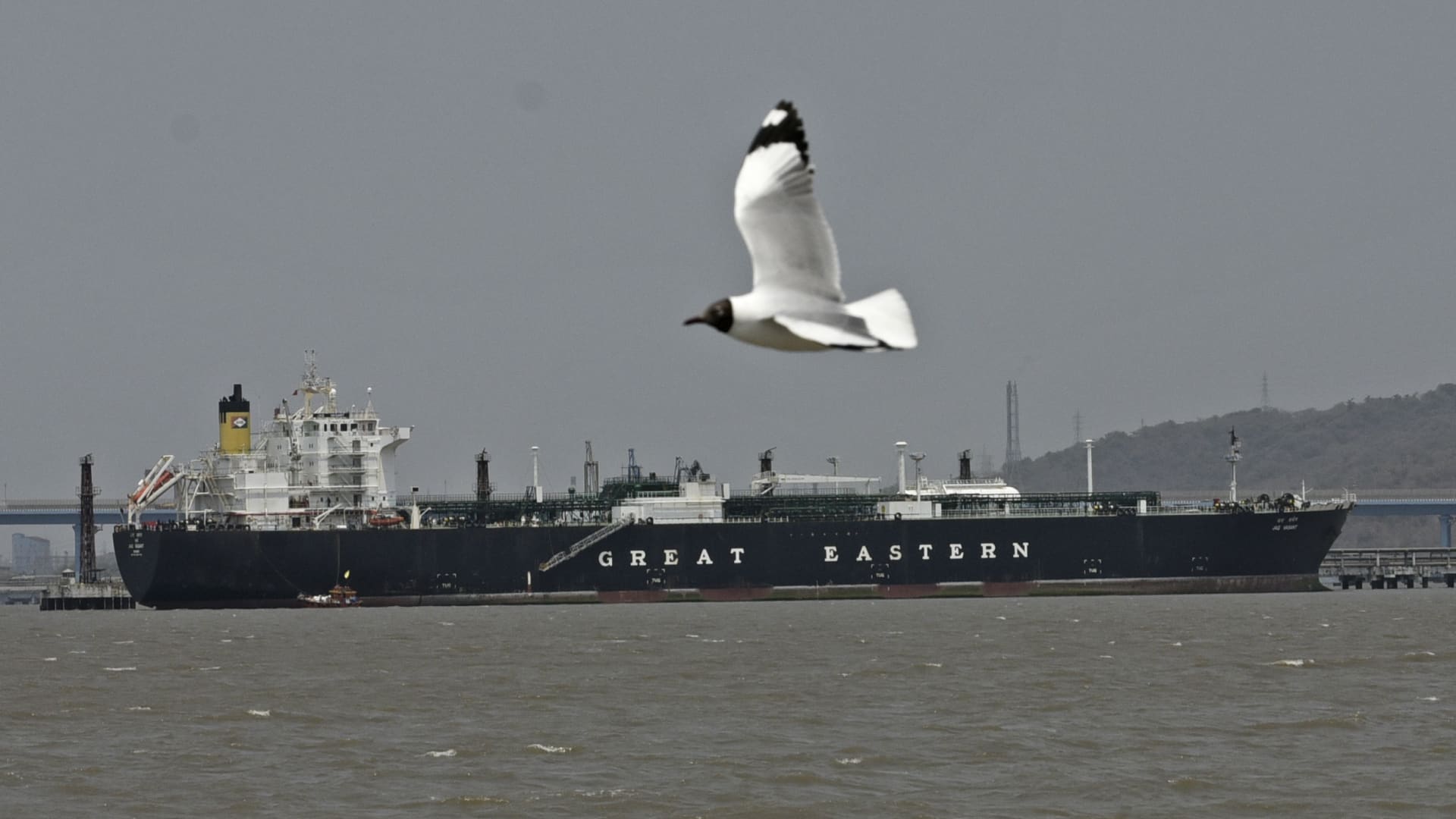
At the heart of this decline is a combination of rising operational costs and logistical hurdles. Ongoing conflicts in the Middle East have significantly disrupted shipping routes, leading to a surge in insurance premiums and freight expenses. These logistical challenges, coupled with persistent cost inflation, have created a difficult environment for Indian exporters. Furthermore, the weakening of global demand has exacerbated these issues, leaving many sectors struggling to maintain their competitive edge in international markets.
The impact has been particularly visible in key trade corridors. Exports to the United States, India’s primary market, fell by 21%, while shipments to the United Arab Emirates plummeted by nearly 62%. This broad-based decline has hit a variety of industries, including textiles, chemicals, electronics, and precious metals. Additionally, the lingering influence of existing trade tariffs continues to weigh heavily on export volumes, complicating efforts to stabilize the sector.
Looking forward, the outlook remains cautious as the uncertainty surrounding global shipping and geopolitical tensions persists. While imports have also seen a decline, the disparity between export and import performance suggests that the current trade environment is disproportionately affecting the country’s outbound shipments. Industry representatives are now calling for targeted government intervention to mitigate these pressures and support exporters through this period of economic volatility.
Key Takeaways
- India's merchandise exports dropped by over 7% in March, totaling $38.9 billion.
- Geopolitical instability in the Middle East has driven up shipping and insurance costs, severely impacting trade routes.
- Major export destinations, including the U.S. and the UAE, saw significant double-digit declines in demand for Indian goods.
Editor’s Analysis & Impact
The recent decline in India’s export performance serves as a bellwether for the fragility of global supply chains in the face of regional conflicts. The ‘troika of headwinds’—inflation, logistics costs, and weak demand—is not unique to India, but the country’s heavy reliance on specific markets like the U.S. and UAE makes it particularly susceptible to localized trade disruptions. The sharp drop in exports to the UAE, in particular, suggests that the Red Sea shipping crisis is having a tangible, immediate impact on trade efficiency. Moving forward, the Indian government will likely face pressure to provide fiscal relief or export incentives to prevent a prolonged slump. The broader implication is a potential shift toward regional trade diversification as businesses seek to insulate themselves from the volatility of long-haul maritime routes.
Frequently Asked Questions
Q: What are the primary factors contributing to the decline in India's exports?
A: The decline is primarily driven by geopolitical instability in the Middle East, which has increased shipping and insurance costs, alongside global inflation and a general weakening of international demand.
Q: Which sectors have been most affected by the recent export slump?
A: The downturn has been broad-based, impacting key sectors such as textiles, chemicals, electronic goods, agricultural products, and precious metals and jewelry.
AI Disclosure: This article is based on verified data and official reports. Our Team and AI have cross-referenced every financial detail with primary sources to ensure total accuracy.
More from this Category