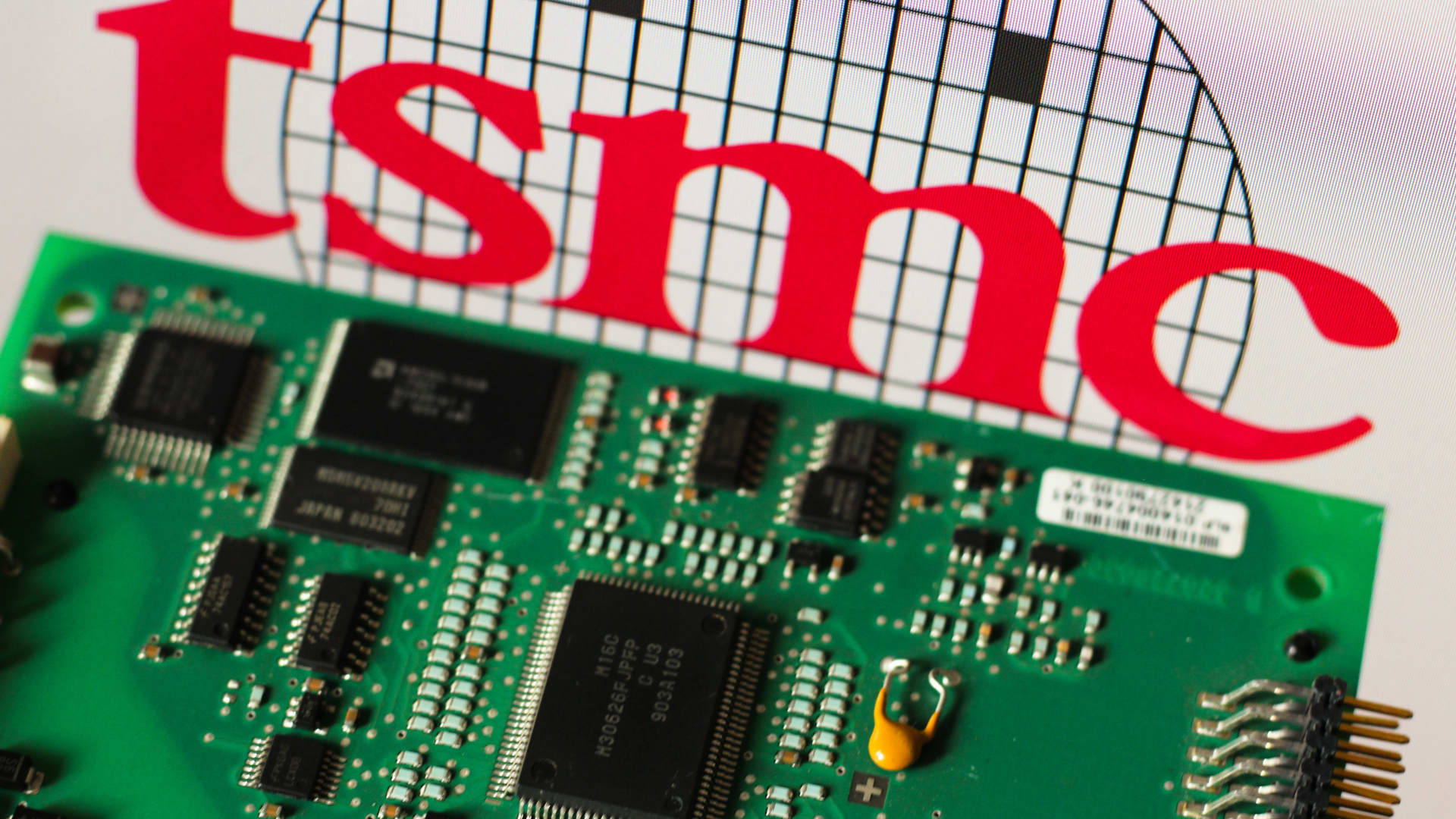
TSMC Dominates Semiconductor Market as AI Demand Drives Record Profits
Taiwan Semiconductor Manufacturing Company (TSMC) has announced a remarkable financial performance for the first quarter, highlighted by a 58% increase in net income that significantly exceeded analyst projections. This achievement marks the fourth consecutive quarter of record-breaking financial results for the semiconductor manufacturer, reflecting the intense global demand for high-performance computing hardware and artificial intelligence infrastructure.
During the quarter ending in March, the company recorded revenue of approximately $35 billion. A primary catalyst for this growth is the company’s transition toward advanced manufacturing processes. Chips produced using 7-nanometer or smaller nodes now represent 74% of total wafer revenue, with 3-nanometer technology alone accounting for 25% of shipments. This technological lead has cemented TSMC’s position as the essential foundry for major technology firms, including Apple and Nvidia.
Looking ahead, TSMC leadership maintains a positive outlook on the artificial intelligence sector, anticipating that the demand for computational power will drive growth for the foreseeable future. Despite potential geopolitical and macroeconomic challenges, the company is actively expanding its production capacity, including new facilities in Tainan. TSMC has projected that its full-year revenue growth for 2026 will exceed 30% in U.S. dollar terms, signaling confidence in the long-term sustainability of the AI hardware market.
Key Takeaways
- TSMC achieved a 58% surge in net income, marking four straight quarters of record-breaking performance.
- Advanced chip manufacturing (7nm and smaller) now accounts for nearly three-quarters of the company's total wafer revenue.
- The company forecasts revenue growth exceeding 30% for 2026, fueled by the ongoing expansion of AI infrastructure.
Editor’s Analysis & Impact
TSMC’s latest earnings report serves as a definitive barometer for the broader AI infrastructure boom. By maintaining a near-monopoly on the most advanced node manufacturing, the company has effectively insulated itself from general consumer electronics stagnation. The shift toward 3nm and smaller processes suggests that TSMC is not just benefiting from a temporary trend, but is becoming the foundational bedrock of the global AI economy. The company’s decision to maintain high capital expenditure signals that management views the current AI surge as a multi-year structural shift rather than a cyclical bubble. Investors should monitor how TSMC balances this aggressive capacity expansion with the geopolitical risks inherent in its Taiwan-centric manufacturing base, as any supply chain disruption would have immediate, cascading effects on the global technology sector.
Frequently Asked Questions
Q: Why is TSMC's performance so closely tied to AI?
A: TSMC manufactures the high-performance, energy-efficient processors required for AI training and inference, making them the primary supplier for companies like Nvidia and Apple.
Q: What are 'advanced nodes' in semiconductor manufacturing?
A: Advanced nodes refer to the physical size of the transistors on a chip, measured in nanometers. Smaller nodes allow for more transistors to be packed onto a single chip, resulting in significantly faster and more efficient performance.
AI Disclosure: This article is based on verified data and official reports. Our Team and AI have cross-referenced every financial detail with primary sources to ensure total accuracy.
More from this Category