Senate Standoff Intensifies Over Future of César Chávez National Monument
A contentious debate has erupted in the U.S. Senate regarding the status of the César Chávez National Monument in Keene, California. The dispute was initiated by Senator John Cornyn, who introduced legislation aimed at closing the site and liquidating the federal land. This proposal follows recent allegations surfacing against the late labor leader, which suggest historical misconduct involving minors. The push to dismantle the monument has ignited a fierce partisan divide over how the government should handle historical sites associated with figures who face modern-day accusations of abuse.
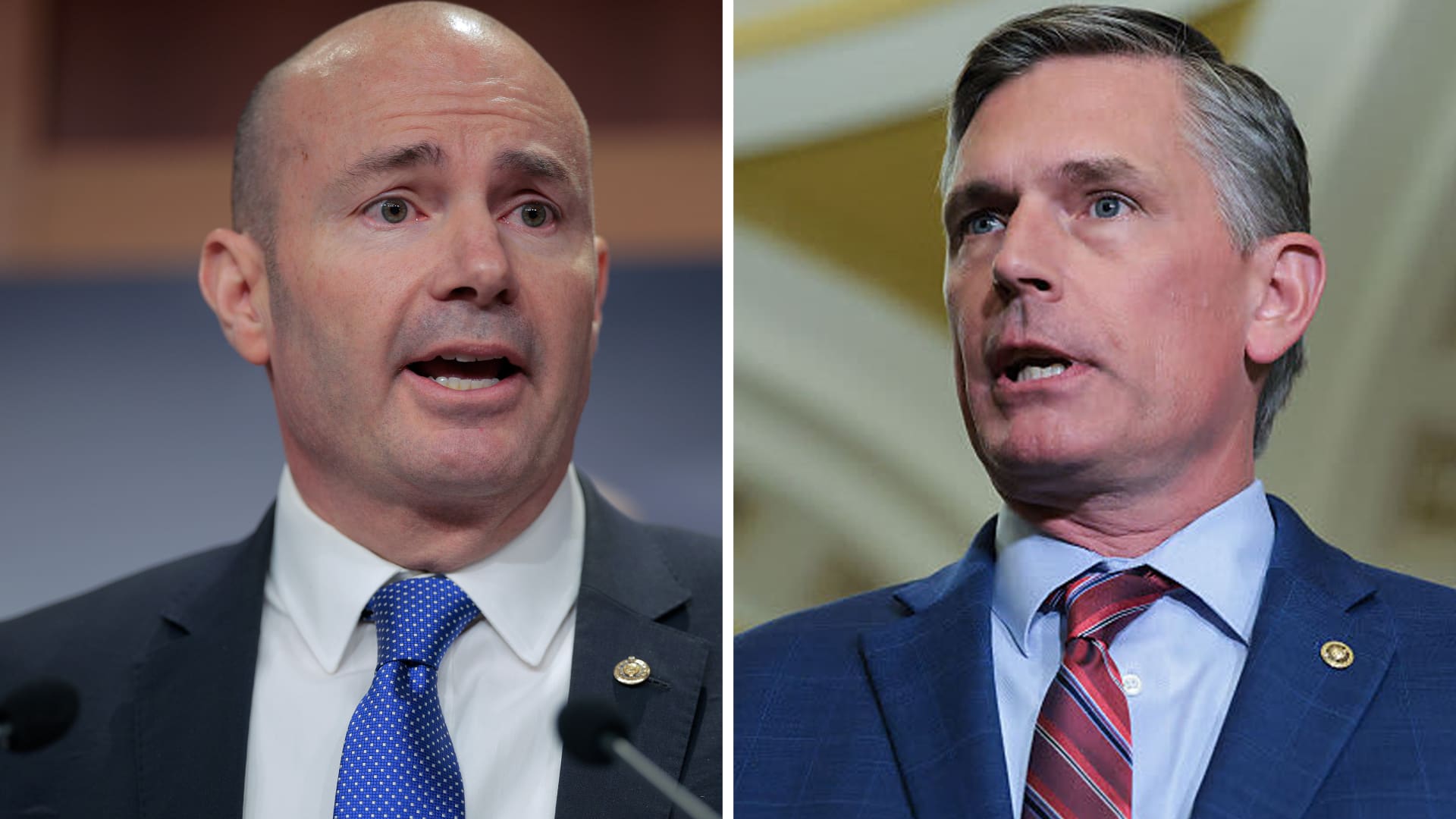
Senator Martin Heinrich, the ranking member of the Senate Energy and Natural Resources Committee, successfully blocked the bill from moving forward. Heinrich argued that while a name change for the monument might be a necessary consideration, the site itself serves as an essential historical record of the American farm labor movement. He maintained that the physical location holds value beyond the individual it commemorates, representing a broader struggle for workers’ rights that remains significant to the nation’s history.
The situation escalated quickly as Senator Mike Lee, chair of the committee, condemned the obstruction, accusing his colleagues of shielding a problematic legacy. The floor debate soon devolved into a broader political confrontation, with lawmakers trading accusations regarding their own past associations and conduct. The discourse eventually expanded to include references to recent congressional resignations and the ongoing public scrutiny surrounding the associates of the late financier Jeffrey Epstein.
As the legislative standoff continues, the conflict has spilled over into the digital sphere, with personal attacks appearing on social media. Senator Lee highlighted a 2012 email referencing a potential meeting between Senator Heinrich and Epstein, a document that had previously appeared in government disclosures. In response, representatives for Senator Heinrich firmly denied that the senator ever met with Epstein or received any financial support from him. This clash underscores the increasing difficulty Congress faces when reconciling historical preservation with contemporary standards of accountability.
Key Takeaways
- Senator John Cornyn proposed legislation to close the César Chávez National Monument following allegations of misconduct against the labor leader.
- Senator Martin Heinrich blocked the bill, arguing that the site is a vital historical record of the farm labor movement despite the controversy.
- The debate has evolved into a broader political conflict involving personal accusations and scrutiny of lawmakers' past associations.
Editor’s Analysis & Impact
The clash over the César Chávez National Monument serves as a microcosm of the broader ‘culture war’ currently defining American legislative discourse. By linking historical preservation to modern accountability, lawmakers are signaling a shift in how public memory is managed. This debate is unlikely to remain isolated to a single monument; it sets a precedent for how future allegations against historical figures will be handled by federal authorities. The inclusion of unrelated political grievances and personal attacks suggests that the Senate is increasingly using historical sites as proxies for partisan warfare. Moving forward, the industry should expect more legislative attempts to re-evaluate federal monuments, which will likely lead to increased gridlock and further polarization as both parties attempt to define the moral parameters of American history.
Frequently Asked Questions
Q: Why was the proposal to close the César Chávez National Monument introduced?
A: The proposal was introduced by Senator John Cornyn following reports alleging that the late labor leader César Chávez committed sexual abuse against minors.
Q: What was Senator Martin Heinrich's argument against closing the monument?
A: Senator Heinrich argued that the site is a vital historical record of the farm labor movement and that the physical location holds significance beyond the individual it commemorates.
AI Disclosure: This article is based on verified data and official reports. Our Team and AI have cross-referenced every financial detail with primary sources to ensure total accuracy.
More from this Category