Innovative Dreams: How AI is Reshaping the Future of Cinematic Storytelling
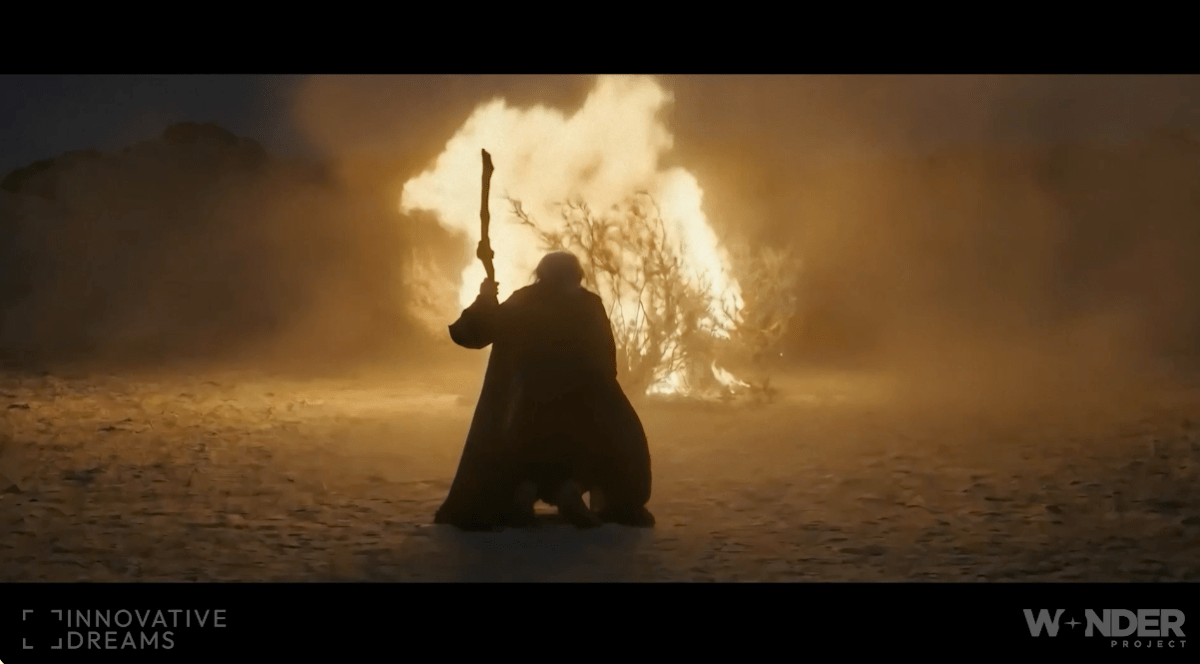
The landscape of film production is undergoing a significant transformation as AI video generation firm Luma joins forces with the faith-based streaming service Wonder Project to launch a new production venture, Innovative Dreams. This collaboration seeks to integrate advanced artificial intelligence directly into the filmmaking process, aiming to streamline workflows and reduce the traditional overhead associated with high-budget cinema. The studio’s inaugural project, ‘The Old Stories: Moses,’ starring Ben Kingsley, is slated for a spring premiere on Amazon Prime Video.
At the heart of this venture is the deployment of ‘Luma Agents,’ a suite of specialized tools designed to manage complex tasks across text, image, audio, and video generation. By allowing creative teams to adjust lighting, set designs, and props in real time, the studio moves away from the rigid, time-consuming post-production cycles that have long defined the industry. This shift enables a more fluid, iterative creative process that occurs during the actual filming phase rather than months later in an editing suite.
Innovative Dreams utilizes a ‘real-time hybrid filmmaking’ technique, which combines traditional performance capture with virtual production environments. This method allows filmmakers to place human actors into photorealistic digital landscapes and even manipulate facial expressions or identities while preserving the core integrity of the actor’s performance. By lowering the financial barriers to entry, this technology promises to enable the production of high-quality content at a much faster pace and lower cost than conventional Hollywood standards.
While the current focus remains on faith-based narratives, the launch of Innovative Dreams signals a broader shift in the entertainment sector. AI companies are increasingly evolving from simple software providers into active content creators. As production costs continue to climb across the industry, the adoption of generative AI is being positioned as a critical strategy for maintaining creative flexibility and operational efficiency in the modern digital age.
Key Takeaways
- Luma and Wonder Project have launched 'Innovative Dreams,' a production studio that integrates AI directly into the filmmaking workflow.
- The studio uses 'Luma Agents' to allow real-time adjustments to lighting, props, and sets, significantly reducing reliance on traditional post-production.
- The venture's first project, 'The Old Stories: Moses,' will debut on Amazon Prime Video this spring, showcasing the potential for AI to lower production costs while maintaining cinematic quality.
Editor’s Analysis & Impact
The launch of Innovative Dreams marks a pivotal moment in the convergence of generative AI and traditional media. By moving beyond the role of a software vendor, Luma is demonstrating the practical application of its technology in a high-stakes commercial environment. This move reflects a growing industry trend where AI is no longer just a novelty but a core component of the production pipeline. The ability to manipulate digital environments and actor performances in real time could fundamentally disrupt the cost structures of major studios. If successful, this model will likely force a broader industry reckoning regarding labor, creative control, and the speed of content delivery. As production costs continue to escalate, studios that fail to adopt similar AI-integrated workflows may find themselves at a significant competitive disadvantage in terms of both budget and creative agility.
Frequently Asked Questions
Q: What is the primary goal of the Innovative Dreams studio?
A: The studio aims to redefine traditional filmmaking by integrating generative AI into the production workflow to increase efficiency, reduce costs, and allow for real-time creative adjustments.
Q: How does 'real-time hybrid filmmaking' work?
A: It merges traditional performance capture with virtual production environments, allowing filmmakers to place actors in digital scenes and modify elements like lighting or facial expressions during the filming process.
AI Disclosure: This article is based on verified data and official reports. Our Team and AI have cross-referenced every financial detail with primary sources to ensure total accuracy.
More from this Category