Grocery Retailers Deploy AI to Slash Food Waste and Boost Profitability
Major grocery chains are undergoing a significant operational shift, moving away from broad, blanket discounts toward precision-based artificial intelligence to manage inventory and combat rising inflation. As modern consumers increasingly split their shopping trips across multiple retailers to find the best deals, traditional grocers are leveraging advanced technology to protect their margins while simultaneously catering to price-sensitive shoppers. By utilizing AI-driven inventory management, retailers are transforming potential losses from food spoilage into new revenue streams.
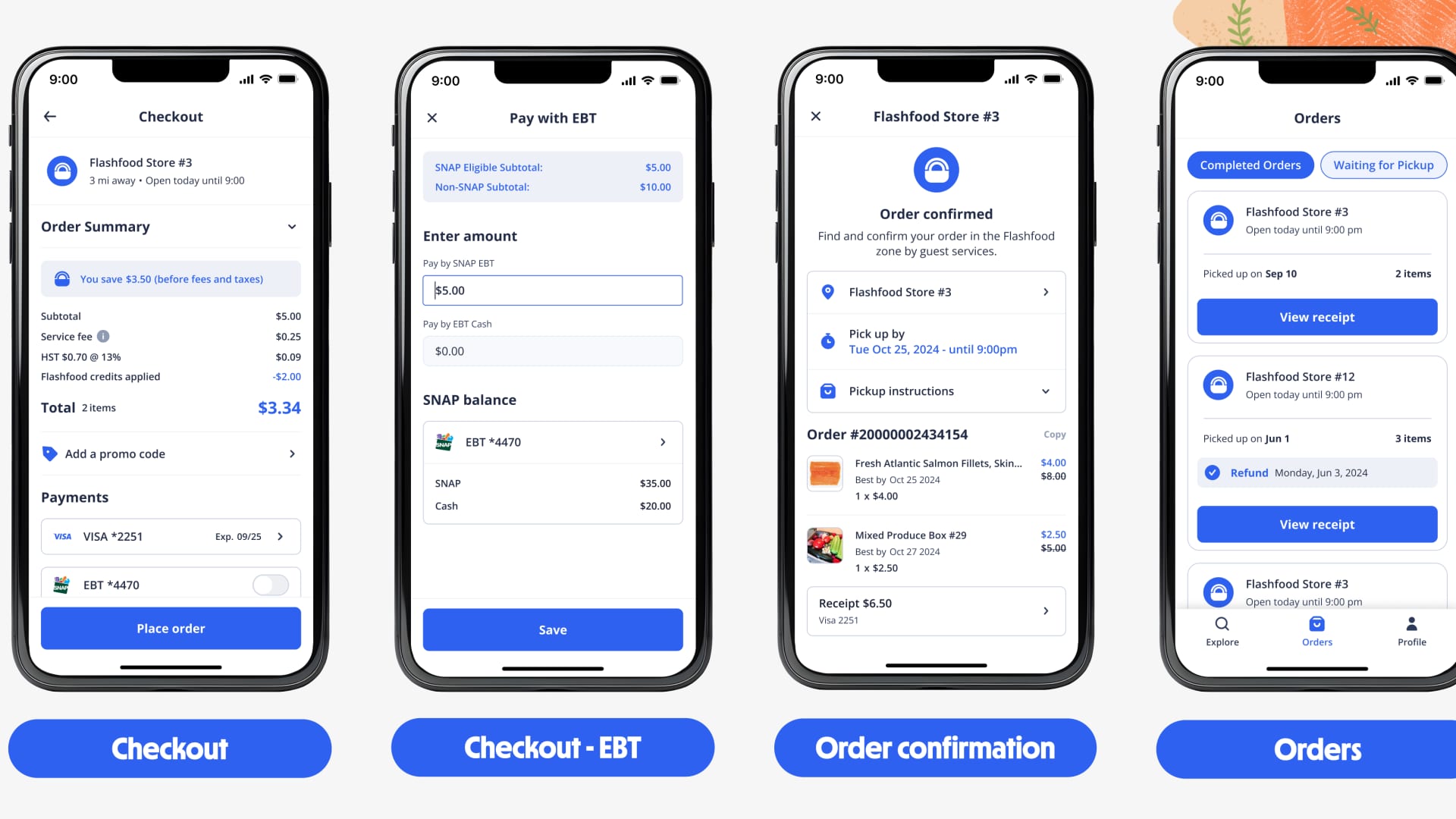
Historically, the grocery sector has struggled with substantial financial losses, with roughly 30% of inventory in American stores going to waste each year. To address this, retailers such as Kroger, Loblaws, and Piggly Wiggly are integrating platforms like Flashfood to dynamically price perishable goods as they approach their expiration dates. This strategy allows stores to clear inventory that would otherwise be discarded, effectively turning what was once considered ‘shrink’ into incremental sales.
This digital transformation offers a dual advantage: it significantly reduces environmental impact by diverting food from landfills while simultaneously driving foot traffic. Market data suggests that shoppers utilizing these discount-focused apps often supplement their savings with full-priced items, which increases overall basket size and visit frequency. Rather than relying on store-wide markdowns that can erode brand value, grocers are now using sophisticated data analytics to identify the optimal price point for specific items, ensuring products move efficiently before they spoil.
Beyond immediate waste reduction, the integration of AI provides retailers with a deeper understanding of consumer behavior. By tracking purchasing patterns, price sensitivity, and shelf-life dynamics, companies can refine their stocking strategies with unprecedented accuracy. This transition marks a pivotal evolution in the industry, as grocery chains move from traditional, static inventory management to a responsive, tech-enabled model that balances profitability with the growing demand for value.
Key Takeaways
- Grocery retailers are using AI to dynamically price perishables, turning potential waste into revenue.
- Data shows that discount-focused apps drive foot traffic and increase the purchase of full-priced items.
- AI integration allows for better inventory forecasting, helping stores optimize stock levels and reduce annual spoilage rates.
Editor’s Analysis & Impact
The integration of AI into grocery inventory management represents a critical pivot for the retail sector. By addressing the ‘shrink’ problem through dynamic pricing, retailers are not only improving their bottom lines but also building customer loyalty in an inflationary environment. The broader implication is a shift toward a ‘circular’ retail model where data-driven efficiency replaces traditional, wasteful supply chain practices. As this technology matures, we can expect to see more predictive analytics that go beyond pricing, potentially influencing supply chain logistics and procurement cycles. This tech-enabled approach is essential for brick-and-mortar stores to remain competitive against e-commerce giants, as it turns the physical store’s biggest liability—perishable inventory—into a strategic asset that attracts value-conscious consumers.
Frequently Asked Questions
Q: How does AI help reduce food waste in grocery stores?
A: AI platforms analyze inventory shelf life and consumer demand to dynamically lower prices on items nearing expiration, ensuring they are sold rather than discarded.
Q: Do discount apps hurt a grocery store's overall profit?
A: No, evidence suggests these apps actually increase profitability by driving foot traffic, as customers often purchase full-priced items alongside discounted goods, leading to larger total basket sizes.
AI Disclosure: This article is based on verified data and official reports. Our Team and AI have cross-referenced every financial detail with primary sources to ensure total accuracy.
More from this Category