Maritime Strategy Under Fire: U.S. Energy Blockades Face Global Hurdles
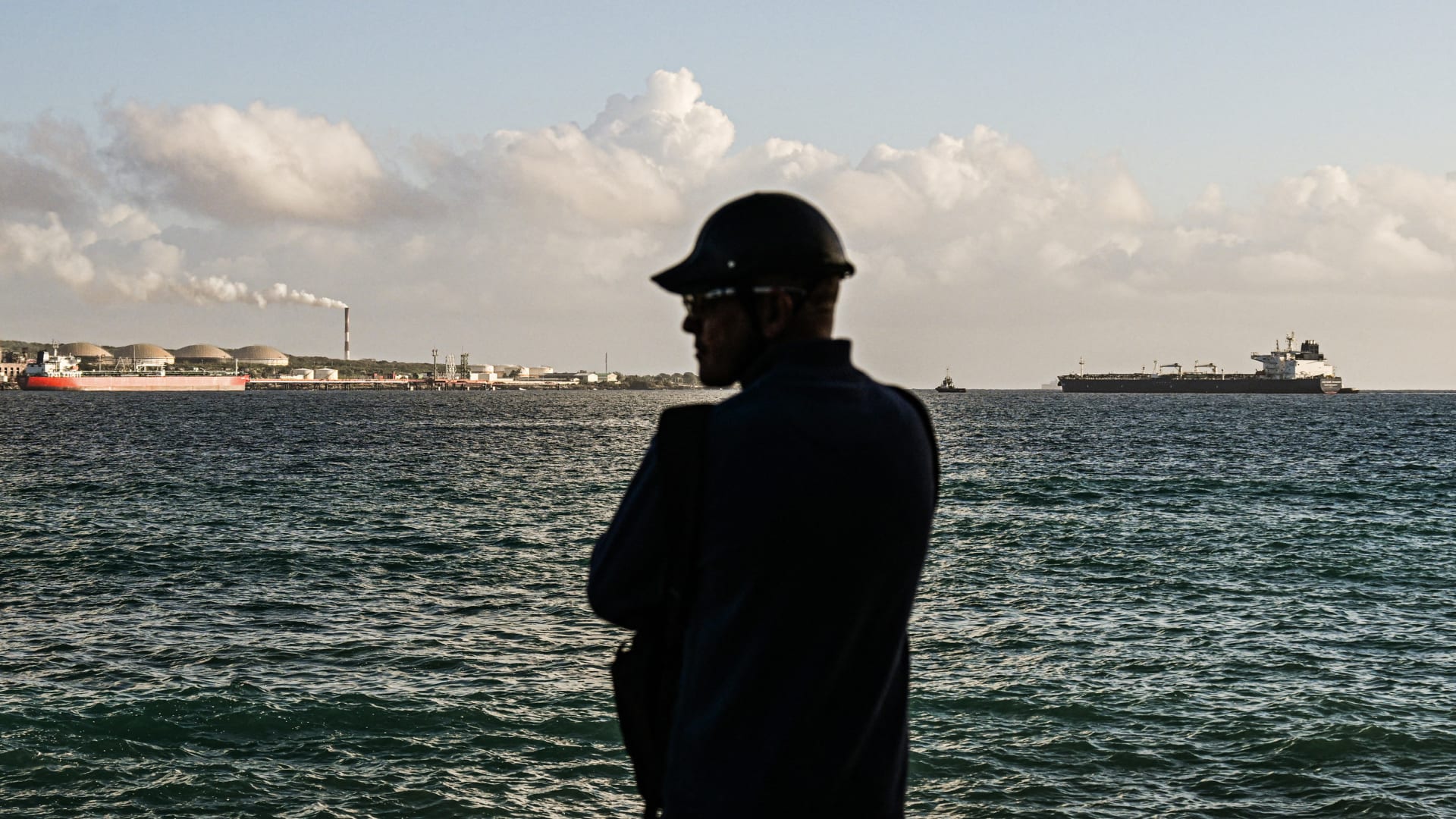
The United States is increasingly relying on maritime energy blockades as a cornerstone of its foreign policy, a strategy that is currently being tested across two critical global theaters. By targeting fuel shipments to Cuba and restricting Iranian oil exports in the Strait of Hormuz, Washington is attempting to leverage economic pressure to achieve geopolitical objectives. However, these maneuvers are encountering significant resistance, raising questions about the efficacy and potential for escalation inherent in such high-stakes maritime operations.
In the Caribbean, the U.S. has sought to limit fuel access to Cuba, yet the strategy has faced a notable setback as Russian tankers continue to deliver crude oil to the island. Because the administration refrained from taking decisive action against initial shipments, it has created a diplomatic precedent that makes future enforcement increasingly difficult. This inconsistency has weakened the perceived authority of the blockade, allowing external actors to circumvent U.S. policy with minimal consequence.
Simultaneously, the Persian Gulf has become a flashpoint for potential conflict. The U.S. naval presence in the Strait of Hormuz, aimed at curbing Iranian oil exports, has placed Washington on a collision course with international interests, particularly those of Beijing. As the expiration of temporary oil sale licenses looms, the risk of a direct confrontation involving Chinese-linked tankers grows. Such an encounter could prove disastrous, especially with high-level diplomatic discussions between the U.S. and China scheduled for mid-May, potentially transforming an economic containment effort into a full-scale diplomatic crisis.
Key Takeaways
- The U.S. is utilizing maritime energy blockades as a primary tool to exert economic pressure on Cuba and Iran.
- Enforcement in the Caribbean has been hampered by inconsistent responses to Russian oil shipments, undermining the blockade's effectiveness.
- Potential naval confrontations in the Strait of Hormuz threaten to derail upcoming diplomatic negotiations between the U.S. and China.
Editor’s Analysis & Impact
The reliance on maritime blockades as a primary instrument of statecraft reflects a shift toward aggressive economic containment, yet it carries substantial risks. By attempting to control global energy flows, the U.S. is effectively forcing third-party nations—most notably China and Russia—to choose between compliance and direct confrontation. The current strategy appears to be reaching a point of diminishing returns, where the diplomatic cost of enforcement may soon outweigh the economic benefits of the sanctions. If the U.S. Navy is forced to interdict a vessel flagged by a major power, it could trigger a rapid deterioration in global trade relations and regional stability. Moving forward, the administration must reconcile its enforcement inconsistencies or risk a broader geopolitical backlash that could destabilize energy markets and complicate essential diplomatic channels.
Frequently Asked Questions
Q: Why is the U.S. implementing maritime blockades?
A: The U.S. uses these blockades as a foreign policy tool to exert economic pressure on specific nations, such as Cuba and Iran, by restricting their access to fuel and oil exports.
Q: How does the situation in the Strait of Hormuz affect U.S.-China relations?
A: Because China is a major importer of Iranian oil, any U.S. naval interdiction of a Chinese-linked tanker could lead to a significant diplomatic crisis, potentially jeopardizing scheduled high-level talks between the two nations.
AI Disclosure: This article is based on verified data and official reports. Our Team and AI have cross-referenced every financial detail with primary sources to ensure total accuracy.
More from this Category