The AI Divide: How Corporate Secrecy and Rapid Innovation are Leaving the Public Behind
A significant rift is forming between the architects of artificial intelligence and the general public. As major technology firms pour unprecedented capital into development, the gap is widening due to a combination of aggressive corporate expansion, specialized industry jargon, and a growing sense of skepticism among non-experts. Leading organizations are no longer just building tools; they are reshaping their entire identities to become the foundational infrastructure of the future.
OpenAI, for instance, is aggressively diversifying its reach, moving beyond simple software to acquire assets in sectors as varied as media and financial applications. This shift signals a move toward a more integrated ecosystem where AI is woven into the fabric of various industries. Meanwhile, the competition for dominance is intensifying, with companies shedding secondary projects to focus exclusively on core, high-stakes infrastructure.
This concentration of power is further evidenced by the selective distribution of advanced technology. Anthropic recently developed a model of such high sophistication that it was deemed too sensitive for widespread public use, yet it was reportedly demonstrated to Federal Reserve Chair Jerome Powell. Such instances highlight a growing trend of ‘insider’ influence, where the most potent AI capabilities are shared with regulators and economic leaders while remaining inaccessible to the average user.
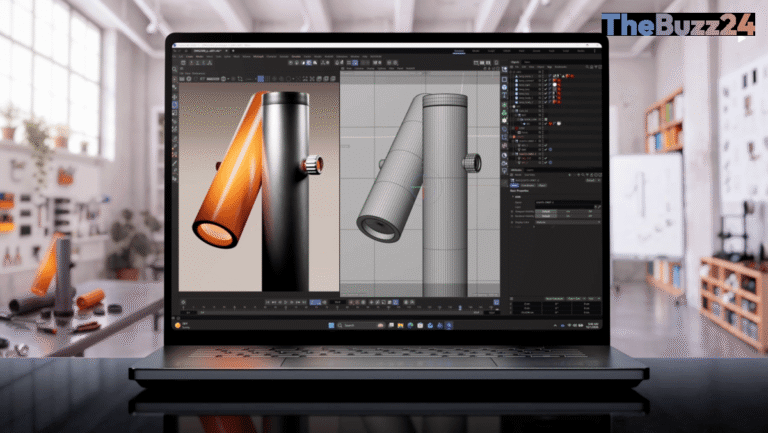
As the enterprise battle between OpenAI and Anthropic accelerates, the broader market is struggling to keep pace. The rapid evolution of autonomous design software and high-level leadership shifts within major labs suggest an industry in the midst of a massive structural transformation. This pace of innovation is currently outstripping the public’s ability to understand or prepare for the long-term economic implications of these tools.
Key Takeaways
- The AI industry is pivoting from experimental projects toward building foundational global infrastructure.
- Major players like OpenAI are diversifying their portfolios into finance and media to expand their influence.
- A trend of selective access is emerging, where advanced AI models are shared with regulators and elites before the public.
Editor’s Analysis & Impact
The current trajectory of the AI sector suggests a move toward a centralized, highly controlled ecosystem. As companies like OpenAI and Anthropic compete for dominance, the barrier to entry for the average user is rising, not just through technical complexity but through controlled access. The demonstration of sensitive models to high-level officials like Jerome Powell indicates that AI is no longer just a tech tool but a geopolitical and macroeconomic instrument. This ‘insider’ access could lead to a regulatory environment shaped by those who already hold the most power, potentially stifling open-source competition. Moving forward, the industry must balance the need for rapid, secure development with the necessity of public transparency to prevent a total breakdown of trust between the tech elite and the global population.
Frequently Asked Questions
Q: Why is there a growing gap between AI developers and the public?
A: The gap is driven by the extreme speed of innovation, the use of complex technical language, and the tendency of companies to release powerful models to regulators and elites before the general public.
Q: How are AI companies changing their business strategies?
A: Companies are moving away from peripheral software projects to focus on becoming foundational infrastructure providers, often diversifying into sectors like finance and media.
AI Disclosure: This article is based on verified data and official reports. Our Team and AI have cross-referenced every financial detail with primary sources to ensure total accuracy.
More from this Category