Lawmaker Calls for Federal Probe into Suspicious Market Activity Linked to Presidential Announcements
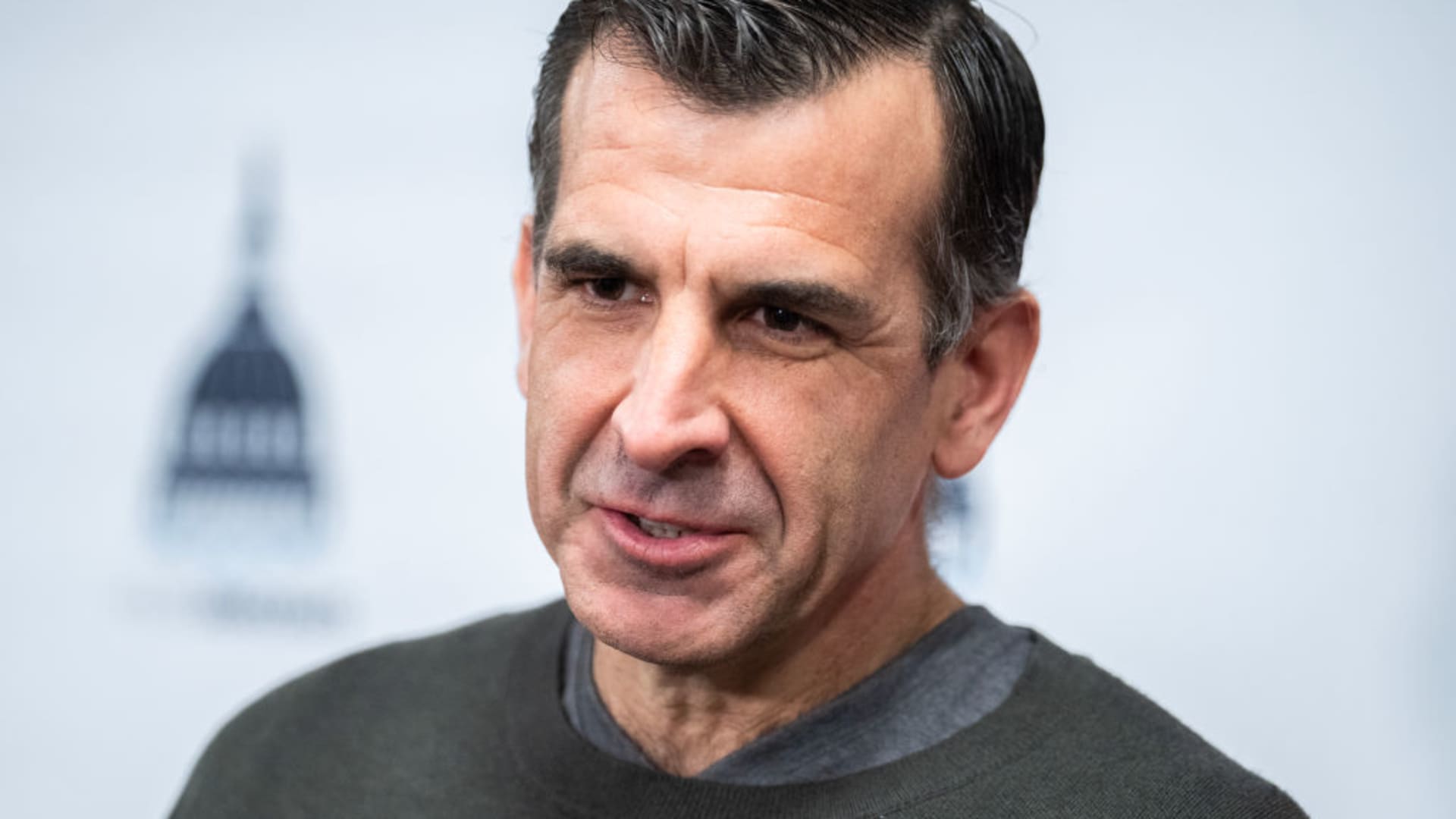
Representative Sam Liccardo of California has formally requested that the Securities and Exchange Commission (SEC) and the Commodity Futures Trading Commission (CFTC) launch a comprehensive investigation into a series of highly suspicious trades. The request follows observations of significant market activity occurring just moments before major announcements by former President Donald Trump regarding the conflict with Iran. Liccardo suggests these patterns indicate potential illicit insider trading, raising concerns about the integrity of financial markets during sensitive geopolitical events.
The inquiry focuses on large-volume transactions involving crude oil prices and S&P 500 E-mini Futures. According to the lawmaker, these trades were executed with such precision that it implies certain market participants may have had advance knowledge of the President’s public statements. Such actions, if proven, could constitute violations of the Securities and Exchange Act of 1934, the Commodity Exchange Act of 1936, and the STOCK Act of 2012.
Specific examples cited include a substantial bet on oil placed shortly before a U.S.-Iran ceasefire, as well as a surge in S&P 500 futures observed just 15 minutes before a social media post regarding diplomatic discussions between the two nations. In addition to these specific incidents, Liccardo has expressed broader concerns regarding ‘prediction markets,’ where he noted unusually well-timed bets on equities and options prior to tariff announcements. He is now demanding that federal regulators provide transparency regarding their investigative strategies to prevent government employees and insiders from exploiting confidential information for personal financial gain.
Key Takeaways
- Representative Sam Liccardo is urging the SEC and CFTC to investigate trades that occurred immediately before sensitive presidential announcements.
- The suspicious activity involves high-volume bets on crude oil and S&P 500 futures that suggest potential access to non-public information.
- The probe aims to determine if federal employees or other insiders violated the STOCK Act and other financial regulations to profit from geopolitical volatility.
Editor’s Analysis & Impact
The allegations brought forward by Representative Liccardo highlight a persistent vulnerability in modern financial markets: the intersection of high-frequency trading and sensitive geopolitical intelligence. If these trades are proven to be based on non-public information, it would represent a significant breach of market integrity and public trust. The broader implication is the potential for ‘information asymmetry’ to be weaponized, where those with proximity to power can effectively front-run the global economy. As prediction markets and algorithmic trading continue to grow in influence, regulators face an uphill battle in monitoring and enforcing compliance. This investigation could set a critical precedent for how federal agencies track and prosecute insider trading involving government-adjacent information, potentially leading to stricter oversight of how sensitive policy decisions are communicated and handled within the executive branch.
Frequently Asked Questions
Q: What specific laws might have been violated by these trades?
A: The lawmaker cited potential violations of the Securities and Exchange Act of 1934, the Commodity Exchange Act of 1936, and the Stop Trading on Congressional Knowledge (STOCK) Act of 2012.
Q: Why is the SEC being asked to investigate alongside the CFTC?
A: While the CFTC is reportedly already looking into the trades, Liccardo is pushing for the SEC to launch a separate, comprehensive investigation to ensure a broader review of potential corruption across both equity and commodity markets.
AI Disclosure: This article is based on verified data and official reports. Our Team and AI have cross-referenced every financial detail with primary sources to ensure total accuracy.
More from this Category