Crude Oil Prices Climb Amid Iranian Strait Restrictions and Global Supply Pressures
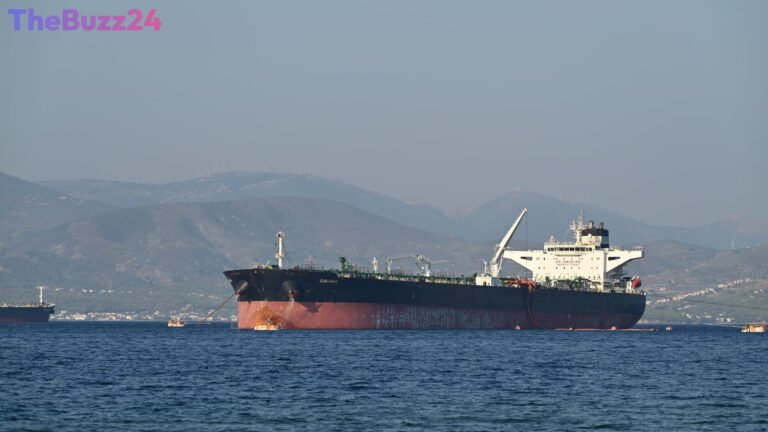
Crude oil futures experienced an upward tick as lingering anxieties over global supply disruptions gripped the markets. The renewed market tension follows the emergence of a restrictive draft plan proposed by Iran concerning the vital Strait of Hormuz, a critical maritime chokepoint for international energy transport.
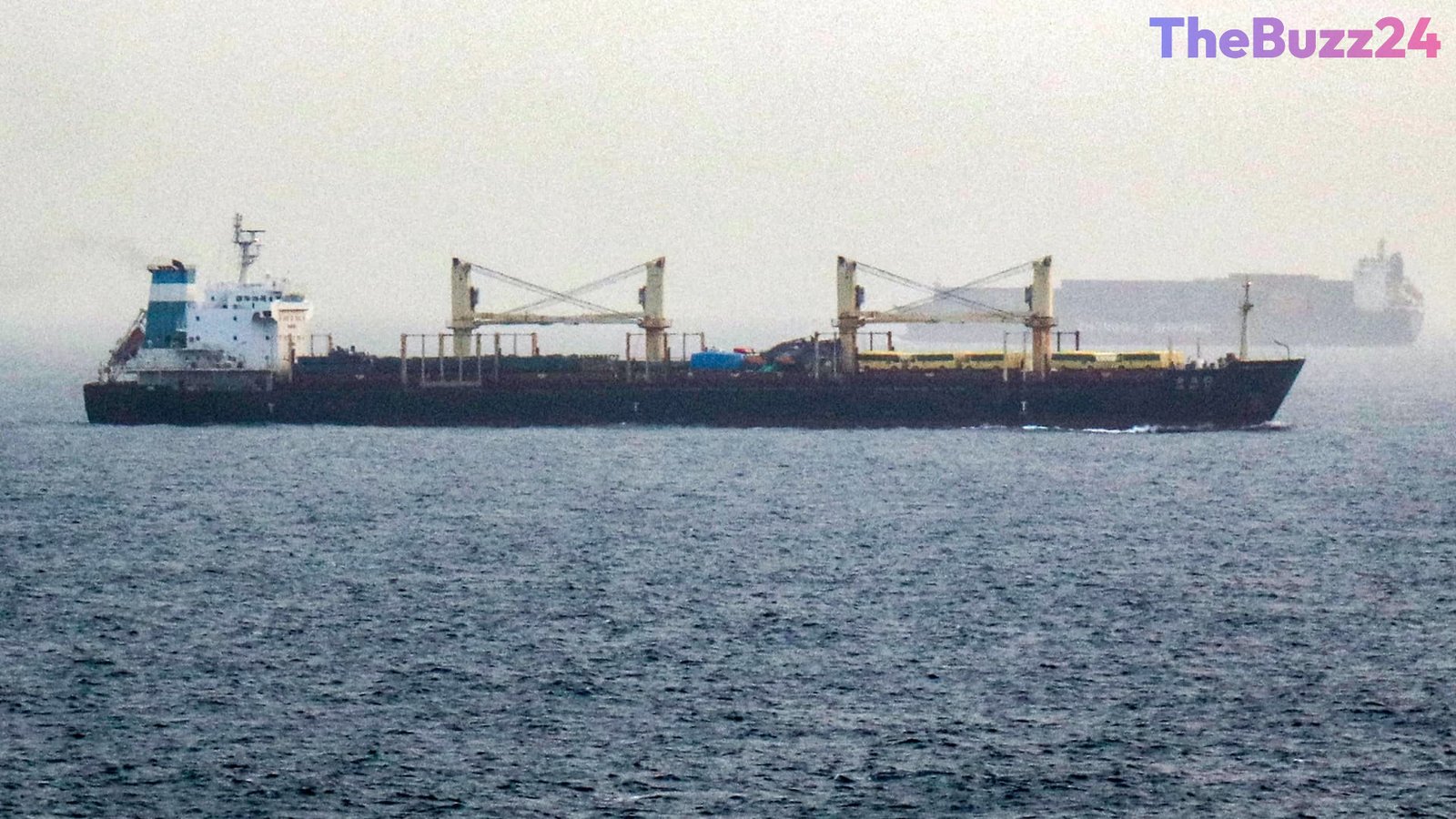
Under the proposed measures outlined in the Iranian draft, vessels flagged by the United States and Israel would face a complete ban from navigating the strait. Furthermore, the document suggests that nations deemed to have caused harm to Iran would be barred from transit until formal compensation is addressed. Meanwhile, ongoing discussions between Iran and Oman aimed at establishing formalized transit corridors have yet to yield a definitive agreement, leaving shipping routes ambiguous.
Compounding these geopolitical jitters, broader supply constraints intensified market reactions. Recent overnight strikes targeted major Russian oil refining infrastructure in Yaroslavl and Bashneft’s Novoil facility. Simultaneously, data revealed that U.S. crude imports from Saudi Arabia plummeted to zero in July, marking the first such occurrence since 1985 and further tightening international availability.
Amid these developments, divergent political rhetoric has complicated the diplomatic outlook. While leadership in Washington expressed optimism regarding a swift resolution to regional conflicts, officials in Tehran dismissed these assertions as theatrical diplomacy, ensuring that volatility remains a dominant theme in the energy markets.
Key Takeaways
- Brent crude and West Texas Intermediate futures both saw notable gains following supply disruption fears.
- A draft plan from Iran threatens to block U.S. and Israeli vessels from the Strait of Hormuz.
- Simultaneous pressures, including refinery strikes in Russia and zero U.S. crude imports from Saudi Arabia in July, exacerbated supply concerns.
Editor’s Analysis & Impact
The recent escalation in crude oil prices underscores the extreme sensitivity of global energy markets to geopolitical flashpoints, particularly the Strait of Hormuz. Even preliminary legislative drafts or threats regarding maritime transit can trigger immediate inflationary impulses, driving capital into safe-haven currencies like the U.S. dollar while depressing government bonds. Beyond the Middle East, the convergence of targeted strikes on Russian refining capacity and a historic drop in Saudi imports to the United States highlights a fragile supply ecosystem. Looking ahead, prolonged uncertainty in these key regions will likely sustain high volatility in energy futures, forcing industrial consumers and central banks to continuously reassess inflationary risks and supply chain resilience.
Frequently Asked Questions
Q: Why did oil prices rise recently?
A: Oil prices climbed due to growing concerns over potential supply disruptions, driven largely by a restrictive Iranian draft plan for the Strait of Hormuz, alongside refinery strikes in Russia and dropping import volumes.
Q: What does Iran's draft plan propose for the Strait of Hormuz?
A: The draft plan proposes banning U.S. and Israeli ships from transiting the strait, while also restricting other nations that have reportedly harmed Iran until compensation is paid.
Q: How are international benchmark prices reacting?
A: International benchmark Brent crude futures for October delivery gained 1.25% to reach $83.52 a barrel, while U.S. West Texas Intermediate futures advanced 1.10% to $78.14 per barrel.
AI Disclosure: This article is based on verified data and official reports. Our Team and AI have cross-referenced every financial detail with primary sources to ensure total accuracy.
More from this Category