Aurora Innovation Charts Path to Profitability Through Autonomous Trucking Expansion
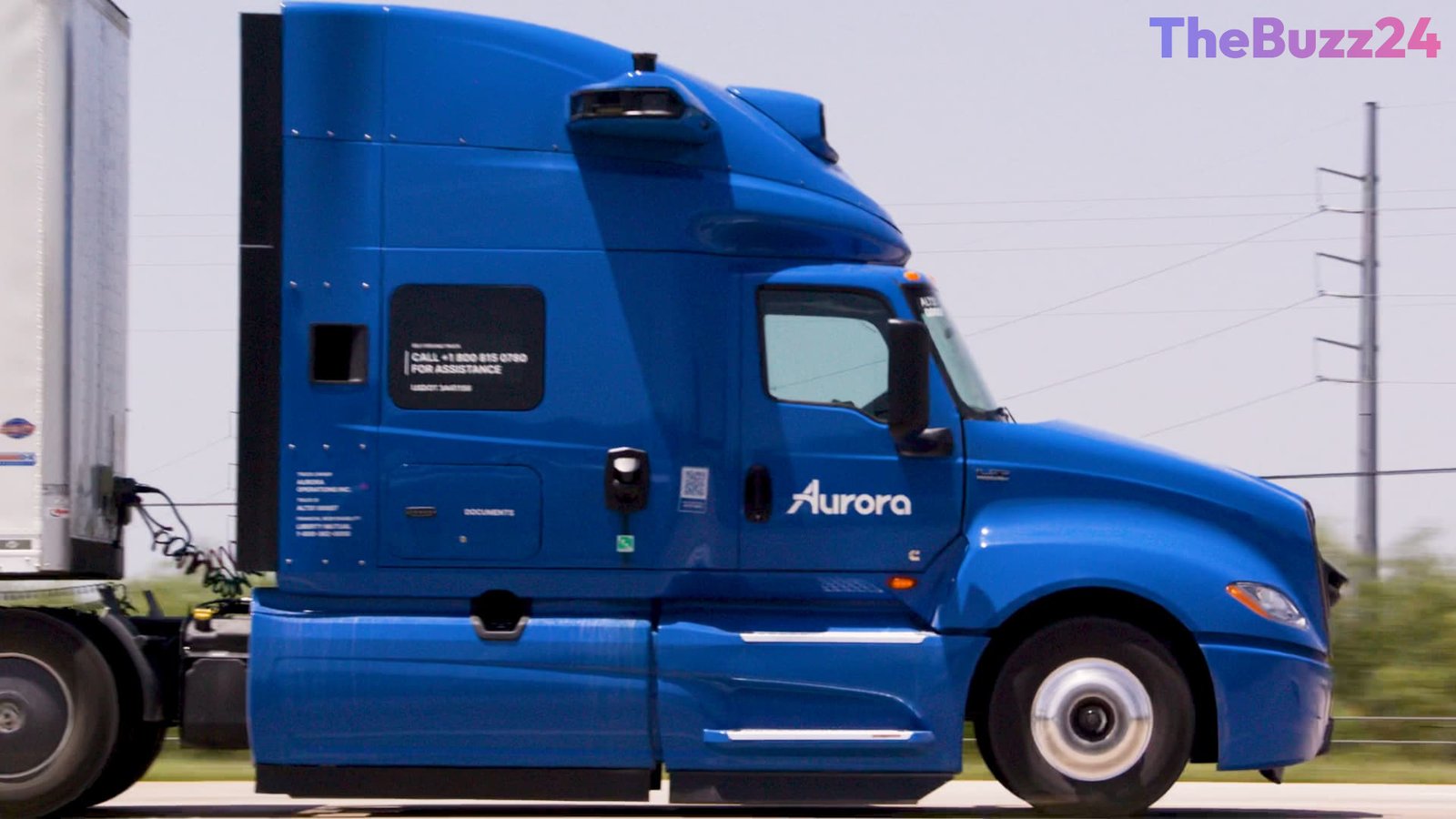
Aurora Innovation is aggressively scaling its autonomous trucking operations, aiming to reach positive free cash flow by 2028. The company, which currently operates driverless semi-trucks on major Texas freight corridors like I-45 and I-20, plans to expand its fleet from 20 vehicles to 200 by the end of the year. By leveraging a ‘driver as a service’ model, Aurora intends to provide shipping firms with a more cost-effective alternative to traditional human-operated logistics.
Industry analysts suggest that the economics of autonomous freight are compelling. Estimates indicate that autonomous fleets could be significantly more profitable than human-driven counterparts, with per-mile costs potentially dropping from $1.30 to approximately $0.85. Beyond cost savings, autonomous trucks offer operational advantages, such as the ability to remain on the road for up to 20 hours a day, bypassing the federal rest requirements that limit human drivers. This capability addresses a persistent labor shortage within the U.S. freight industry.
Despite the technological advancements, the transition to fully autonomous logistics faces scrutiny. Critics point out that human drivers provide essential services beyond simple navigation, including cargo protection, customer interaction, and complex decision-making. Furthermore, safety remains a primary concern for the public. In response, Aurora emphasizes its rigorous testing protocols, noting that its technology has undergone 15 million tests and logged over 3 million miles on public roads since 2021, maintaining a focus on safety as it competes with other industry players like Tesla, Kodiak AI, and Gatik.
Key Takeaways
- Aurora Innovation is scaling its autonomous fleet to 200 trucks by year-end, targeting positive free cash flow by 2028.
- Autonomous trucking offers significant cost advantages, with estimates suggesting a reduction in per-mile operating costs compared to human-driven rigs.
- While the technology addresses driver shortages and operational downtime, industry experts highlight the irreplaceable value of human judgment and customer service in logistics.
Editor’s Analysis & Impact
The push toward autonomous trucking represents a pivotal shift in the global supply chain, moving from a labor-intensive model to a capital-intensive, tech-driven infrastructure. Aurora’s strategy of charging by the mile creates a predictable revenue stream that appeals to freight companies struggling with rising labor costs and driver retention. However, the industry faces a ‘valley of death’ between current R&D spending and the 2028 profitability target. The broader implication is a potential transformation of the trucking labor market; while the technology promises efficiency, it will likely trigger significant regulatory and social debates regarding job displacement. Success will depend not just on the software’s reliability, but on the company’s ability to navigate public skepticism and prove that autonomous systems can handle the nuanced, unpredictable nature of long-haul logistics better than human operators.
Frequently Asked Questions
Q: How does Aurora plan to achieve profitability?
A: Aurora aims to reach positive free cash flow by 2028 by scaling its autonomous fleet to hundreds of trucks and utilizing a 'driver as a service' model where customers pay per mile.
Q: What are the main advantages of autonomous trucks over human-driven ones?
A: Autonomous trucks can operate for up to 20 hours a day without the mandatory rest breaks required for human drivers, and they offer lower per-mile operating costs by eliminating human wages and benefits.
AI Disclosure: This article is based on verified data and official reports. Our Team and AI have cross-referenced every financial detail with primary sources to ensure total accuracy.
More from this Category