Amazon Prime Settlement Expanded: Payouts Raised to $200 and Paperwork Eliminated
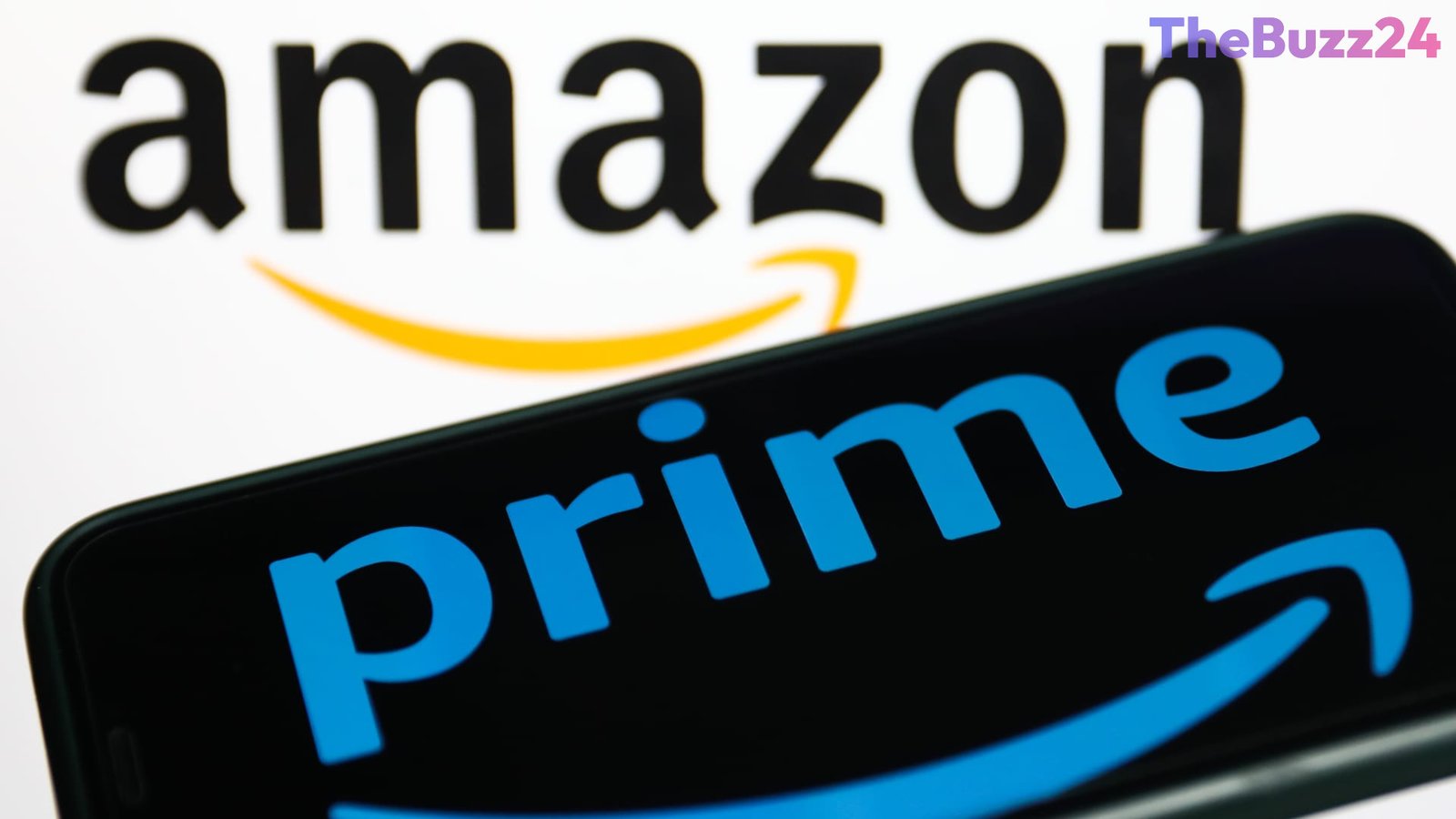
Millions of consumers are set to benefit from an updated class-action settlement involving Amazon Prime, following significant revisions designed to expedite and expand financial restitution. Under the newly adjusted terms, eligible participants will see their maximum potential payout quadrupled from the original limit, while the administrative hurdles previously required to claim the funds have been completely removed.
The sweeping legal action stems from allegations that the e-commerce giant utilized deceptive enrollment methods and intentionally complicated the cancellation process for its subscription service. Although denying any wrongdoing, leadership agreed to the massive financial resolution to resolve the dispute and redirect focus toward customer innovation. As part of the updated agreement, future distributions will occur automatically, sparing consumers from having to fill out complex forms or submit manual claims.
The revised parameters broaden eligibility significantly. While initial phases limited payouts primarily to users who utilized fewer than ten Prime benefits within a designated timeframe, the upcoming distribution phases include individuals who utilized between 11 and 20 benefits. U.S. consumers who unintentionally enrolled through specific disputed checkout flows or faced obstacles while attempting to cancel between mid-2019 and mid-2025 now stand to receive direct compensation.
Individual restitution caps have similarly been adjusted upward, moving from a previous limit of $51 to a maximum of $200 depending on total membership fees paid. Regulatory officials have cautioned the public to remain vigilant against fraudulent actors attempting to exploit the high-profile distribution process, reminding consumers that no official agency or corporate representative will ever demand upfront fees or payment to release legitimate settlement funds.
Key Takeaways
- The maximum payout for eligible Amazon Prime subscribers has been increased from $51 to $200 under a revised settlement.
- Future settlement payments will be distributed automatically, removing the requirement for consumers to file manual claims.
- Eligibility has been expanded to include millions of users who utilized between 11 and 20 Prime benefits within a 12-month period.
Editor’s Analysis & Impact
The expansion of the Amazon Prime settlement marks a pivotal moment in consumer protection and digital subscription oversight. By forcing tech conglomerates to streamline refunds and eliminate bureaucratic hurdles for aggrieved users, regulatory bodies are setting a stringent precedent for subscription-based business models. This enforcement action highlights the growing scrutiny surrounding ‘dark patterns’—design choices used to trick or manipulate users into unintended financial commitments. Looking ahead, digital retailers and service providers will likely need to overhaul their user acquisition and cancellation pathways to ensure absolute transparency, mitigating the risk of massive class-action liabilities. For consumers, the automated payout mechanism reduces friction and signals a shift toward more accountable corporate restitution practices in the digital economy.
Frequently Asked Questions
Q: Who qualifies for the expanded Amazon Prime settlement payments?
A: U.S. consumers who signed up for Prime between June 23, 2019, and June 23, 2025, used no more than 20 benefits in a 12-month period, and unintentionally enrolled or struggled to cancel through challenged checkout flows are eligible.
Q: Do I need to submit a claim form to receive the updated $200 payout?
A: No. Under the revised terms, future payments will be distributed automatically via Venmo, PayPal, or mailed check without requiring consumers to submit paperwork.
Q: How much can I expect to receive from the settlement?
A: Individual payouts have been capped at up to $200, determined by the total membership fees paid during the eligible subscription period.
AI Disclosure: This article is based on verified data and official reports. Our Team and AI have cross-referenced every financial detail with primary sources to ensure total accuracy.
More from this Category