Uber Pivots to Autonomous Future with $10 Billion Investment Strategy
Uber is undergoing a major strategic transformation, moving away from its traditional asset-light business model to embrace a capital-intensive future defined by autonomous vehicle technology. The company has committed over $10 billion to this initiative, signaling a massive shift in how it intends to dominate the future of transportation. This financial commitment includes $2.5 billion in direct equity stakes in various technology developers and a projected $7.5 billion dedicated to acquiring and deploying robotaxi fleets in the coming years.
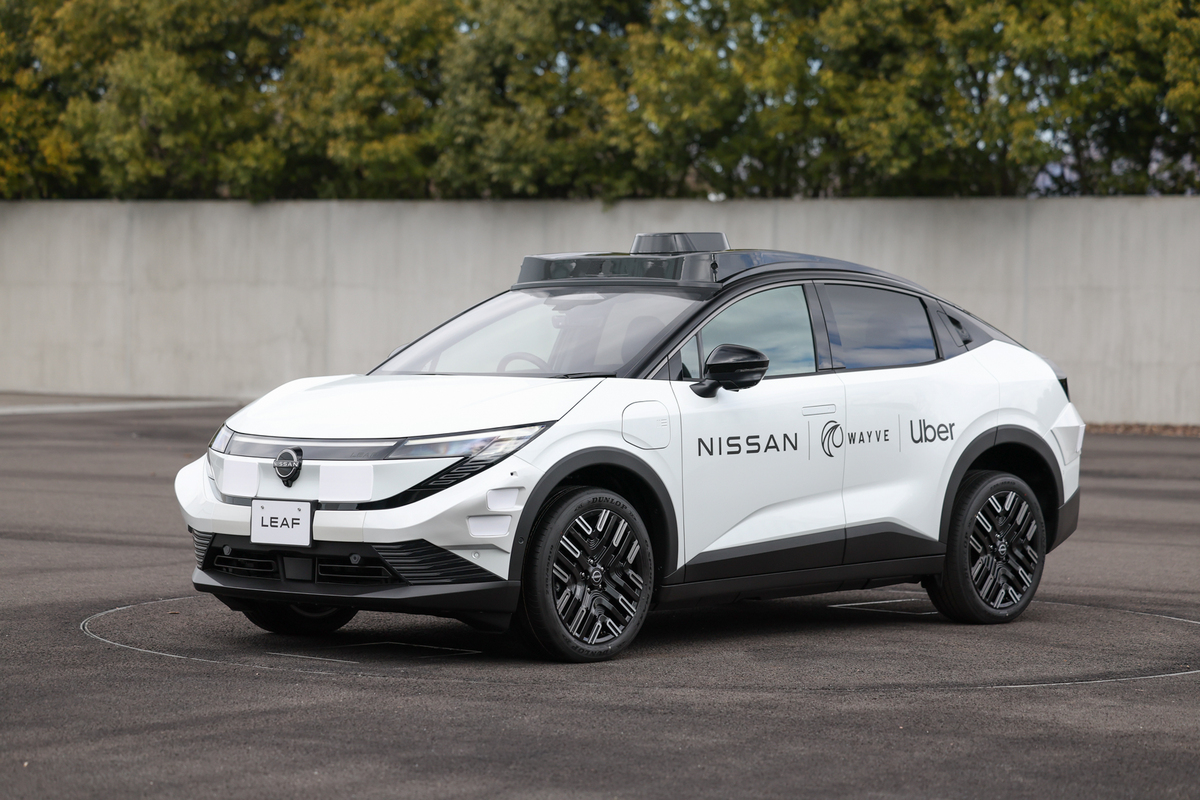
This pivot represents a significant change in direction from 2020, when the company divested from its internal autonomous vehicle unit, Uber ATG, and its air taxi division, Uber Elevate. Rather than attempting to build the technology from the ground up, Uber is now focusing on securing ownership and leasing rights to physical autonomous assets created by third-party innovators. By forming strategic partnerships with companies such as WeRide, Nuro, Wayve, and Lucid, Uber aims to control the deployment of these vehicles while avoiding the heavy burden of primary research and development costs.
This transition is expected to fundamentally alter the company’s balance sheet and long-term operational structure. By positioning itself as the primary operator of a massive, third-party-built autonomous network, Uber is aligning itself with a broader industry trend where established platforms integrate with specialized robotics and AI firms to scale automated services. As the company continues to diversify its interests, including recent investments in Delivery Hero, its ability to successfully integrate these diverse hardware assets into its global infrastructure will be the ultimate test of its future market dominance.
Key Takeaways
- Uber is investing $10 billion to transition from an asset-light model to a capital-intensive autonomous vehicle operator.
- The company is shifting from in-house R&D to a partnership-based model, collaborating with firms like WeRide, Nuro, Wayve, and Lucid.
- The strategy focuses on controlling the deployment and operation of third-party robotaxi fleets rather than developing the underlying technology internally.
Editor’s Analysis & Impact
Uber’s strategic pivot represents a calculated risk that acknowledges the inevitability of autonomous transportation while attempting to mitigate the extreme costs of R&D. By offloading the ‘heavy lifting’ of hardware and software development to specialized partners, Uber is leveraging its greatest asset: its massive, global consumer-facing platform. This move effectively turns Uber into a logistics and orchestration layer for the autonomous era. If successful, this strategy could create a high-margin, scalable network that dominates urban mobility. However, the capital intensity of acquiring and maintaining these fleets will place significant pressure on the company’s balance sheet, requiring a delicate balance between aggressive growth and long-term profitability. The success of this model will likely serve as a blueprint for other platform-based companies looking to integrate emerging AI and robotics technologies.
Frequently Asked Questions
Q: Why is Uber moving away from its asset-light business model?
A: Uber is shifting to a capital-intensive model to secure a dominant position in the autonomous vehicle market, recognizing that controlling the deployment of robotaxi fleets is essential for its long-term relevance in the transportation sector.
Q: Is Uber still developing its own autonomous vehicle technology?
A: No, Uber has moved away from in-house development of autonomous technology. Instead, it is partnering with third-party innovators like WeRide, Nuro, Wayve, and Lucid to utilize their technology while Uber focuses on fleet operation and deployment.
AI Disclosure: This article is based on verified data and official reports. Our Team and AI have cross-referenced every financial detail with primary sources to ensure total accuracy.
More from this Category