Japan Secures Historic Warship Export Deal with Australia
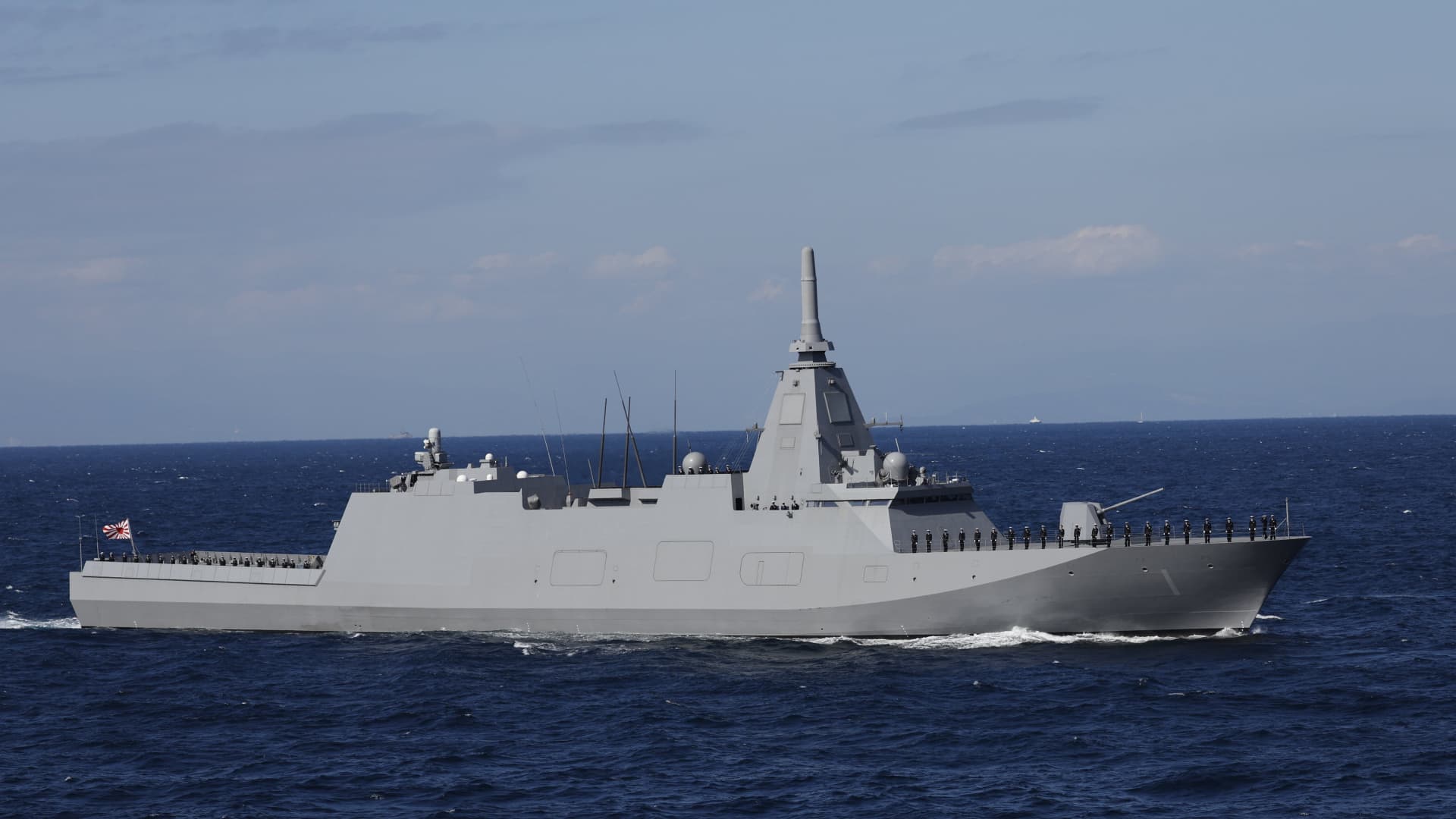
Mitsubishi Heavy Industries (MHI) has finalized a landmark agreement to supply three advanced general-purpose frigates to the Royal Australian Navy. This historic contract represents Japan’s first-ever export of a complete warship, marking a pivotal shift in the nation’s defense manufacturing sector and its role in international security partnerships.
The vessels, derived from the sophisticated Mogami-class frigate design, are scheduled for delivery beginning in 2029. These ships are intended to replace Australia’s aging ANZAC-class fleet, providing a significant upgrade to the nation’s maritime capabilities. The deal, valued at approximately 10 billion Australian dollars, saw MHI emerge victorious over international competition, including German defense contractor ThyssenKrupp Marine Systems.
Beyond the primary construction, the project involves a consortium of major Japanese technology firms. Mitsubishi Electric, Hitachi, and NEC Corporation are slated to supply essential systems, including advanced radar and antenna infrastructure. This collaboration underscores a broader AU$20 billion investment by Canberra aimed at modernizing its naval fleet to address shifting security dynamics within the Indo-Pacific region.
This defense partnership reflects Australia’s strategic focus on enhancing its defensive posture in response to regional military expansion. Furthermore, the deal aligns with recent policy adjustments in Japan regarding the export of lethal military equipment, suggesting that this agreement could serve as a blueprint for future international defense collaborations involving Japanese technology.
Key Takeaways
- Mitsubishi Heavy Industries will supply three Mogami-class frigates to the Royal Australian Navy in a deal worth AU$10 billion.
- The contract marks Japan's first-ever export of a warship, signaling a major shift in the country's defense export policy.
- The project includes a collaborative effort with Japanese tech firms like Mitsubishi Electric, Hitachi, and NEC to provide advanced radar and communication systems.
Editor’s Analysis & Impact
The finalization of this contract is a watershed moment for the Japanese defense industry, which has historically been constrained by strict self-imposed export limitations. By successfully exporting high-end naval technology, Japan is positioning itself as a key strategic partner in the Indo-Pacific, moving beyond its traditional role as a domestic-focused manufacturer. For Australia, this acquisition is a critical component of its National Defence Strategy, aimed at countering regional instability through rapid fleet modernization. The involvement of multiple Japanese tech giants suggests that future defense exports will likely be integrated, high-tech packages rather than just hardware. This shift not only bolsters the financial outlook for firms like MHI and Hitachi but also signals a new era of interoperability between the Australian and Japanese militaries, likely leading to deeper geopolitical alignment in the coming decade.
Frequently Asked Questions
Q: What type of ships is Australia purchasing from Japan?
A: Australia is purchasing three general-purpose frigates based on the advanced Japanese Mogami-class design.
Q: Why is this deal considered historic for Japan?
A: This deal is historic because it represents the first time Japan has exported a complete warship to another nation, reflecting a significant change in its defense export policies.
AI Disclosure: This article is based on verified data and official reports. Our Team and AI have cross-referenced every financial detail with primary sources to ensure total accuracy.
More from this Category