American Airlines Shuts Down Merger Speculation with United
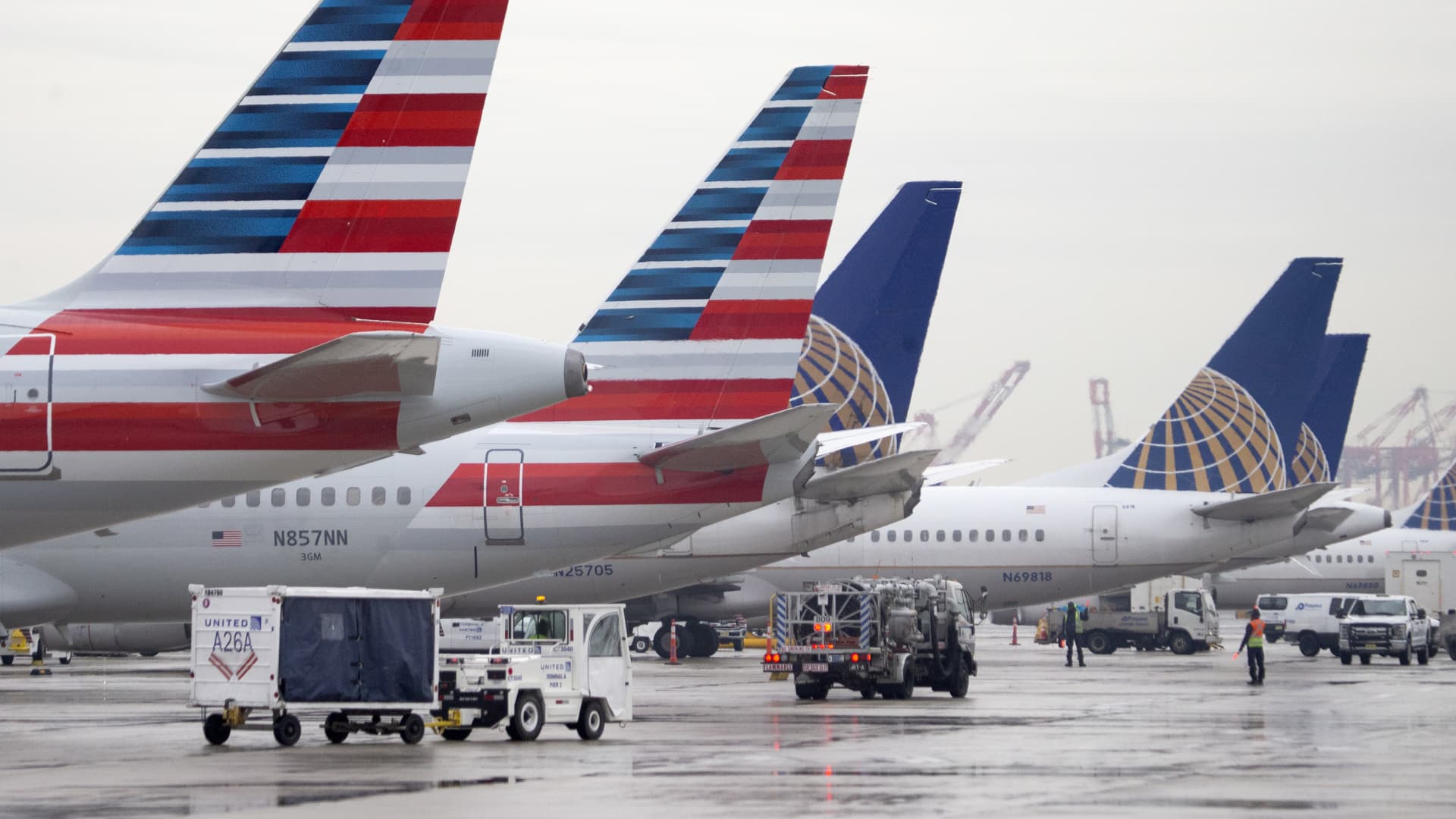
American Airlines has officially dismissed the possibility of a merger with United Airlines, putting an end to months of industry speculation. In a formal statement released late Friday, the carrier confirmed that it is not engaged in any discussions regarding a potential combination with its competitor. The company’s leadership emphasized that such a move would be counterproductive to its long-term strategy and would likely face insurmountable regulatory challenges.
The proposal, which had been publicly advocated by United CEO Scott Kirby, was framed as a way to bolster competitiveness on international long-haul routes. However, the prospect of merging two of the largest U.S. carriers raised immediate alarms among industry observers. With American, United, Delta, and Southwest already controlling roughly 80% of domestic flight capacity, a consolidation of this scale would have significantly altered the competitive landscape of the aviation industry.
Following the announcement, American Airlines shares saw a dip of nearly 3% in premarket trading on Monday. Legal experts and market analysts have largely supported the decision, noting that federal antitrust regulators would almost certainly block a deal of this magnitude. By rejecting the overture, American Airlines has signaled its commitment to maintaining its independent operational path, effectively cooling the rumors that had persisted throughout the year.
Key Takeaways
- American Airlines has formally rejected merger talks with United Airlines, citing antitrust concerns.
- The proposed merger faced significant skepticism due to the high market concentration already held by the top four U.S. airlines.
- American Airlines shares fell nearly 3% following the announcement, reflecting market reaction to the end of consolidation speculation.
Editor’s Analysis & Impact
The rejection of this merger bid underscores the current climate of heightened antitrust scrutiny within the United States. Federal regulators have become increasingly aggressive in challenging large-scale consolidations that threaten to reduce consumer choice and inflate pricing. For the aviation industry, this development signals that the era of ‘mega-mergers’ may be effectively over, as the barrier to entry for such deals has become prohibitively high. Moving forward, airlines will likely focus on organic growth, strategic partnerships, and operational efficiency rather than large-scale acquisitions. This decision provides clarity for investors and employees alike, allowing American Airlines to pivot back to its core business strategy without the distraction of regulatory battles that would have likely spanned several years and cost billions in legal fees.
Frequently Asked Questions
Q: Why did American Airlines reject the merger proposal?
A: American Airlines stated that a merger would be detrimental to market competition and consumer interests, noting that it would likely conflict with federal antitrust standards.
Q: What percentage of domestic flight capacity do the top four U.S. airlines currently control?
A: American, United, Delta, and Southwest collectively account for approximately 80% of domestic flight capacity in the United States.
AI Disclosure: This article is based on verified data and official reports. Our Team and AI have cross-referenced every financial detail with primary sources to ensure total accuracy.
More from this Category