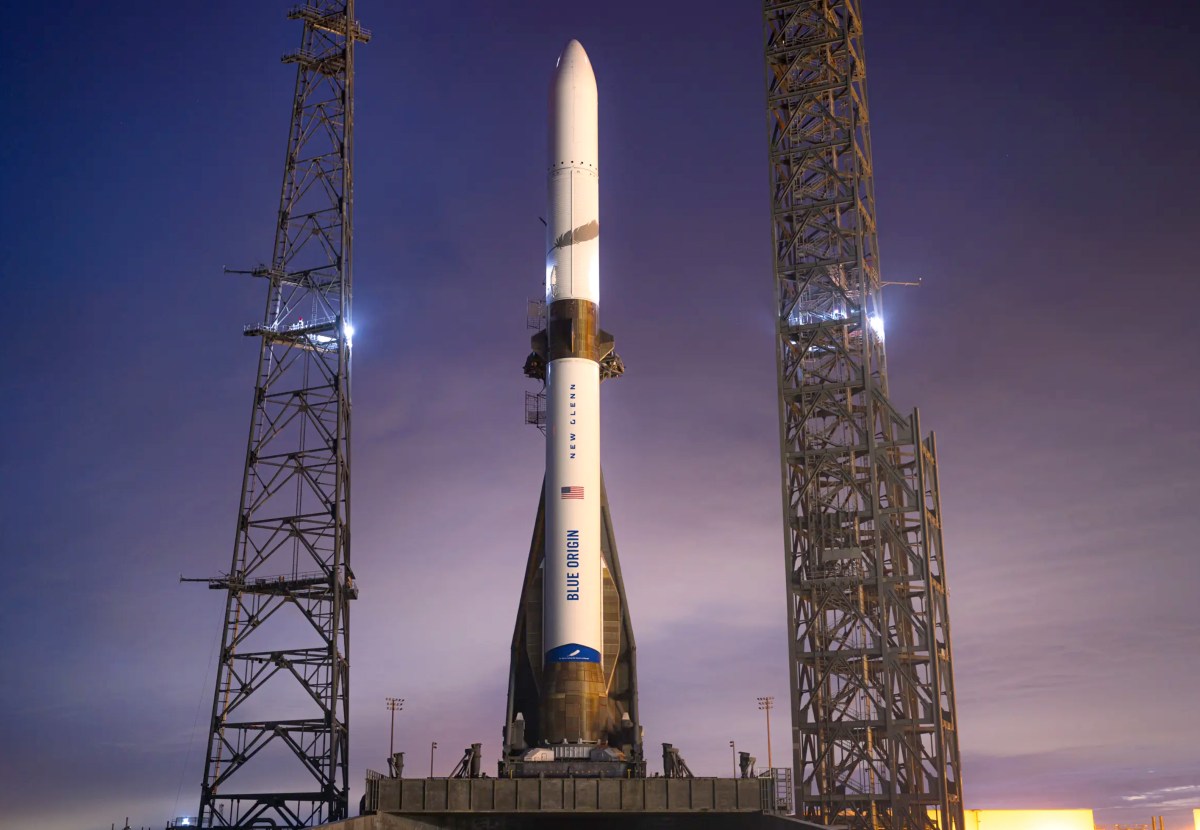
Blue Origin’s New Glenn Grounded by FAA Following Failed Satellite Mission
The Federal Aviation Administration (FAA) has officially grounded Blue Origin’s New Glenn rocket following a mission failure that occurred during the vehicle’s third flight this past weekend. The regulatory body has initiated a formal investigation into the incident, effectively halting all future launches for the rocket until the probe is completed and all identified safety concerns are fully resolved. This regulatory action represents a major setback for the aerospace firm, which had previously set an ambitious goal of completing 12 missions with the New Glenn platform before the conclusion of the year.
The mission initially showed promise, successfully demonstrating the reuse and recovery of the New Glenn booster. However, the primary objective—the deployment of a communications satellite for AST SpaceMobile—failed to materialize. While the rocket’s second stage separated as planned, the upper stage failed to generate the necessary thrust to reach the intended orbit. Blue Origin CEO Dave Limp confirmed the engine malfunction, and AST SpaceMobile has since confirmed the satellite is a total loss, stating it will eventually re-enter the atmosphere and burn up.
This failure places significant pressure on Blue Origin as it attempts to establish itself as a viable competitor to SpaceX in the commercial launch market. Beyond immediate commercial concerns, the company is under scrutiny to prove the reliability of its hardware as it pursues critical milestones, including the development of lunar landers and the pursuit of U.S. Space Force certification for national security launches. While AST SpaceMobile has noted that insurance will mitigate the financial impact and that backup satellites are available, the grounding of the New Glenn remains a substantial hurdle for Blue Origin’s long-term aerospace roadmap.
Key Takeaways
- The FAA has grounded Blue Origin's New Glenn rocket pending a formal investigation into a recent upper-stage engine failure.
- The mission failure resulted in the total loss of an AST SpaceMobile communications satellite, which failed to reach its target orbit.
- The grounding threatens Blue Origin's aggressive launch schedule and its efforts to secure national security and lunar mission contracts.
Editor’s Analysis & Impact
The grounding of the New Glenn rocket is a pivotal moment for Blue Origin as it attempts to transition from a development-focused entity to a major player in the commercial launch sector. Reliability is the primary currency in the aerospace industry, and this failure highlights the inherent risks of scaling new heavy-lift technology. For Blue Origin, the immediate challenge is not just the technical fix, but the potential erosion of client confidence. As the company competes directly with SpaceX, any delay in flight cadence provides its rival with a stronger market foothold. Furthermore, the path to U.S. Space Force certification is notoriously rigorous; this incident will likely extend the timeline for such approvals, forcing the company to recalibrate its long-term strategic goals regarding national security and lunar exploration contracts.
Frequently Asked Questions
Q: Why did the New Glenn mission fail?
A: The mission failed because the rocket's upper-stage engine did not produce sufficient thrust to place the AST SpaceMobile satellite into its intended orbit.
Q: What happens to the lost satellite?
A: AST SpaceMobile has declared the satellite a total loss, noting that it will eventually re-enter the Earth's atmosphere and burn up.
Q: When can Blue Origin resume New Glenn launches?
A: The rocket is currently grounded by the FAA. Launches cannot resume until the formal investigation is concluded and the agency is satisfied that all safety concerns have been addressed.
AI Disclosure: This article is based on verified data and official reports. Our Team and AI have cross-referenced every financial detail with primary sources to ensure total accuracy.
More from this Category