Holiday Shoppers Face Price Hikes as Global Supply Chain Disruptions Intensify
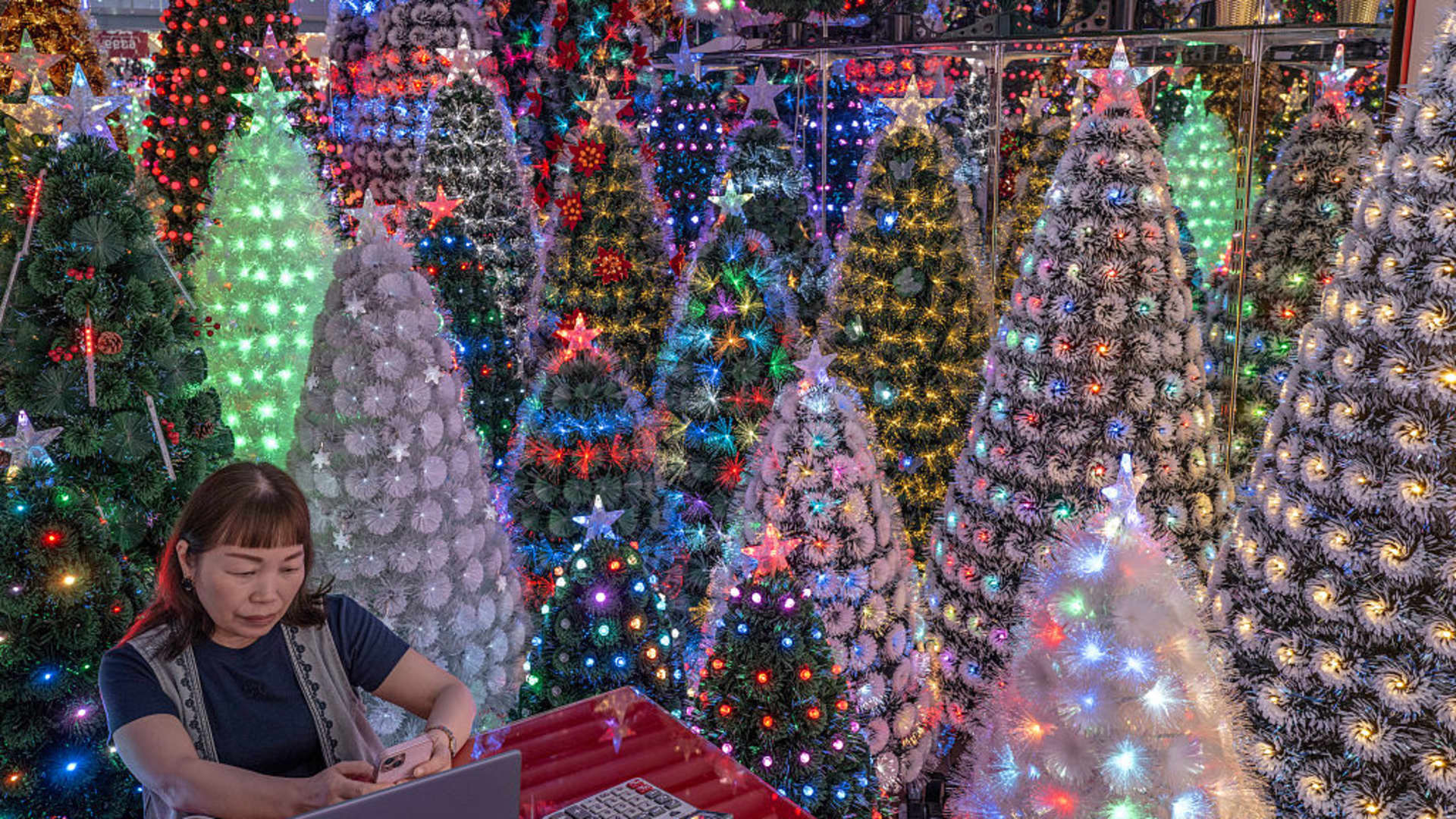
The city of Yiwu, a central hub for global holiday manufacturing, is currently grappling with severe economic pressures as geopolitical instability in the Middle East disrupts critical international shipping routes. Because nearly 87% of all Christmas decorations sold in the United States are produced in China, the ongoing volatility in the Strait of Hormuz is creating a significant bottleneck that is expected to drive up retail prices for consumers during the upcoming holiday season.
Manufacturers in the region are reporting a sharp escalation in the cost of essential raw materials, most notably PET plastic, which is a byproduct of oil. Producers of holiday staples such as artificial trees, tinsel, and decorative lighting are facing a dual crisis of rising production costs and inflated shipping expenses. Some factory operators have observed that the cost of plastic components has surged by as much as 40%, forcing businesses to re-evaluate their pricing models and production schedules to remain solvent.
To mitigate the risk of further delays, many factories are rushing to expedite shipments, which has created a sudden, concentrated demand for logistics services that the current infrastructure is struggling to accommodate. While some manufacturers are attempting to offset these costs by developing more budget-friendly product lines, industry analysts warn that the impact is unavoidable. Consumers should prepare for a notable increase in holiday decor spending, with artificial trees alone projected to see price hikes of at least 15% compared to previous years.
Key Takeaways
- Geopolitical tensions in the Middle East are disrupting shipping lanes, directly impacting the cost of holiday goods.
- Raw material costs, particularly for PET plastic, have spiked by up to 40% for manufacturers in Yiwu.
- Consumers should expect a minimum 15% price increase on artificial Christmas trees this year due to supply chain strain.
Editor’s Analysis & Impact
The current disruption in Yiwu highlights the fragility of globalized manufacturing and the heavy reliance on specific maritime chokepoints for seasonal retail inventory. As manufacturers struggle with rising input costs and logistics bottlenecks, the ripple effect will inevitably reach the end consumer, signaling a shift toward more expensive holiday seasons. This situation underscores a broader trend where geopolitical instability directly translates into domestic inflation. Looking ahead, companies may be forced to diversify their supply chains or move toward ‘near-shoring’ to avoid the volatility associated with long-distance maritime shipping. For the retail sector, this serves as a warning that lean inventory management and just-in-time delivery models are becoming increasingly risky in an era of unpredictable global conflict.
Frequently Asked Questions
Q: Why are holiday decorations becoming more expensive?
A: Rising costs are primarily driven by geopolitical conflicts in the Middle East, which have disrupted shipping lanes and increased the price of raw materials like PET plastic.
Q: How much of an increase should shoppers expect for artificial trees?
A: Industry experts estimate that the cost of artificial Christmas trees could rise by at least 15% this year due to the combined pressures of production and logistics costs.
AI Disclosure: This article is based on verified data and official reports. Our Team and AI have cross-referenced every financial detail with primary sources to ensure total accuracy.
More from this Category