Market Fragility Exposed as Geopolitical Tensions Overlook Escalation Risks
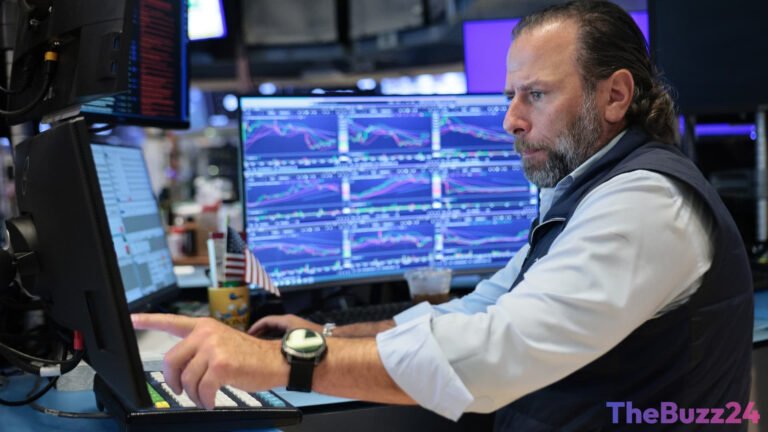
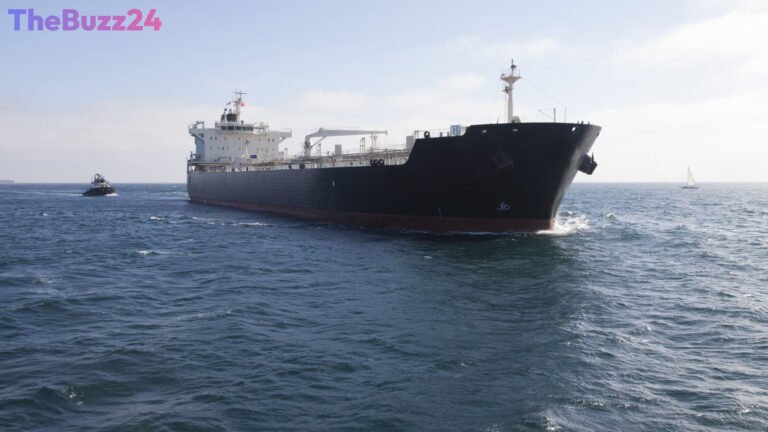
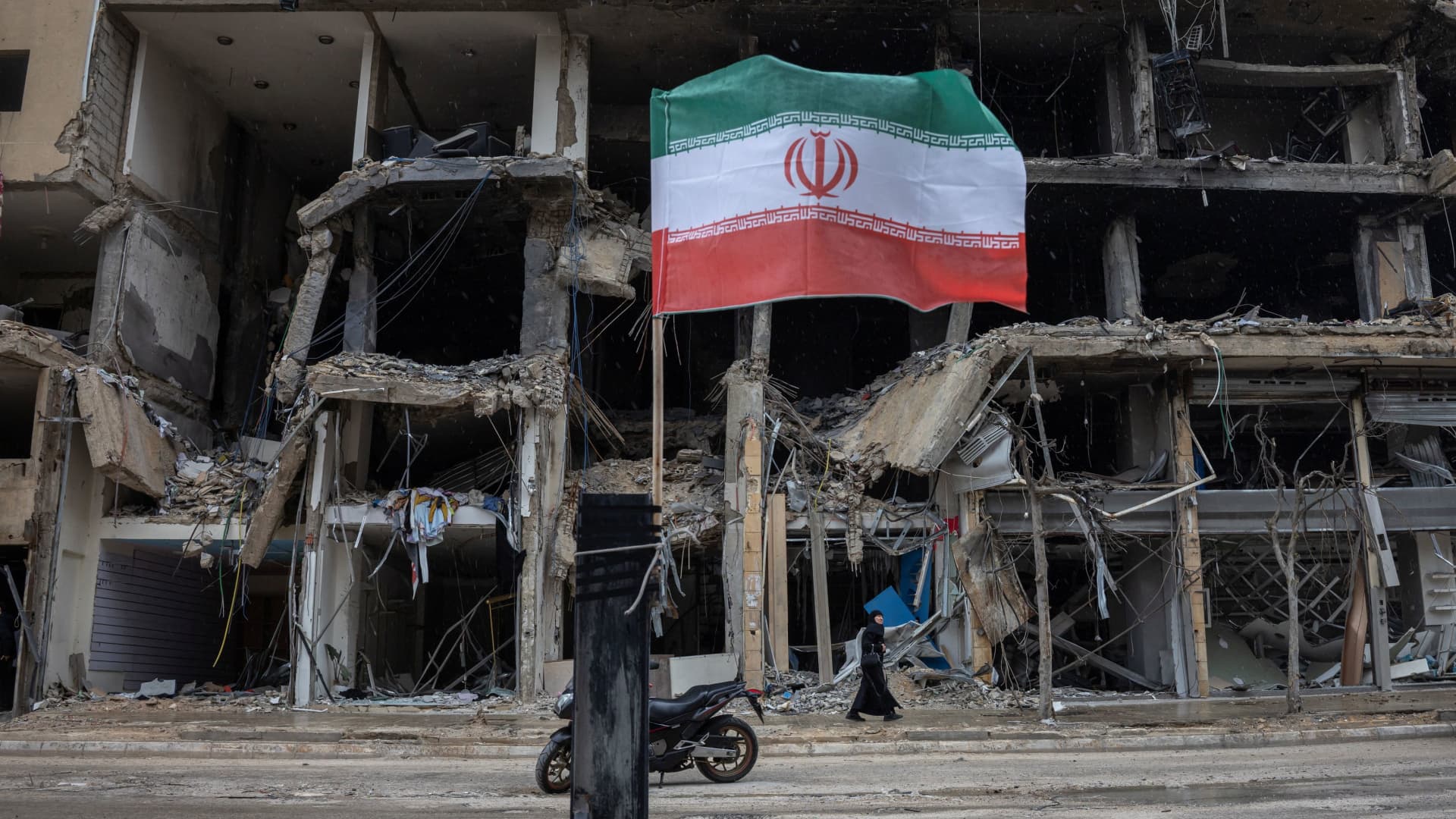
Global equity markets are currently navigating a period of heightened volatility as investors grapple with the unpredictable nature of the ongoing conflict between the United States and Iran. Recent market rallies, which saw significant gains in the S&P 500 and Nasdaq, were largely driven by temporary optimism following a brief ceasefire and the short-lived reopening of the Strait of Hormuz. However, these gains proved fleeting as the subsequent closure of the critical shipping lane underscored the precarious state of global trade routes.
Financial analysts are increasingly concerned that market participants are miscalculating the severity of the situation by relying on historical patterns of de-escalation. There is a prevailing sentiment that investors are viewing the conflict with undue optimism, potentially underestimating Iran’s strategic threshold for retaliation. Unlike previous diplomatic cycles where intervention reliably cooled tensions, the current geopolitical climate offers no such assurances, leaving the global economy exposed to the risk of sustained instability.
Drawing comparisons to the early stages of the 2022 Russia-Ukraine conflict, experts warn that current complacency could lead to significant market corrections. As the ceasefire approaches its expiration date and fundamental issues regarding nuclear capabilities remain unresolved, the outlook for global energy flows and international trade remains grim. Market observers are now advising a shift in strategy, suggesting that stakeholders should prepare for long-term economic friction rather than anticipating a rapid return to pre-conflict normalcy.
Key Takeaways
- Recent market rallies in major indices like the S&P 500 and Nasdaq are being driven by fragile optimism that ignores the reality of the conflict.
- Investors are mistakenly applying historical de-escalation patterns to a situation that lacks traditional diplomatic safeguards.
- Analysts warn of potential market corrections similar to the 2022 Russia-Ukraine conflict if investors continue to underestimate the risk of prolonged instability.
Editor’s Analysis & Impact
The current market reaction to the U.S.-Iran conflict serves as a stark reminder of the disconnect between speculative trading and geopolitical reality. By pricing in a swift resolution, investors are creating a ‘complacency trap’ that leaves portfolios vulnerable to sudden, sharp downturns. The reliance on historical precedents is particularly dangerous here, as the current geopolitical landscape lacks the established diplomatic channels that previously mitigated such crises. Looking ahead, the energy sector and global supply chains are the most exposed, with the potential for sustained inflation if the Strait of Hormuz remains contested. Investors should pivot toward defensive strategies, as the market is likely to undergo a painful repricing once the reality of a protracted conflict replaces the current narrative of a quick diplomatic fix.
Frequently Asked Questions
Q: Why are markets reacting so sharply to the Strait of Hormuz?
A: The Strait of Hormuz is a vital maritime chokepoint for global oil shipments; its closure or threat of closure directly impacts global energy supply and, consequently, market stability.
Q: What is the primary concern regarding investor behavior right now?
A: The primary concern is that investors are being too optimistic, assuming the conflict will follow past patterns of quick de-escalation, which ignores the current, more volatile geopolitical reality.
AI Disclosure: This article is based on verified data and official reports. Our Team and AI have cross-referenced every financial detail with primary sources to ensure total accuracy.
More from this Category