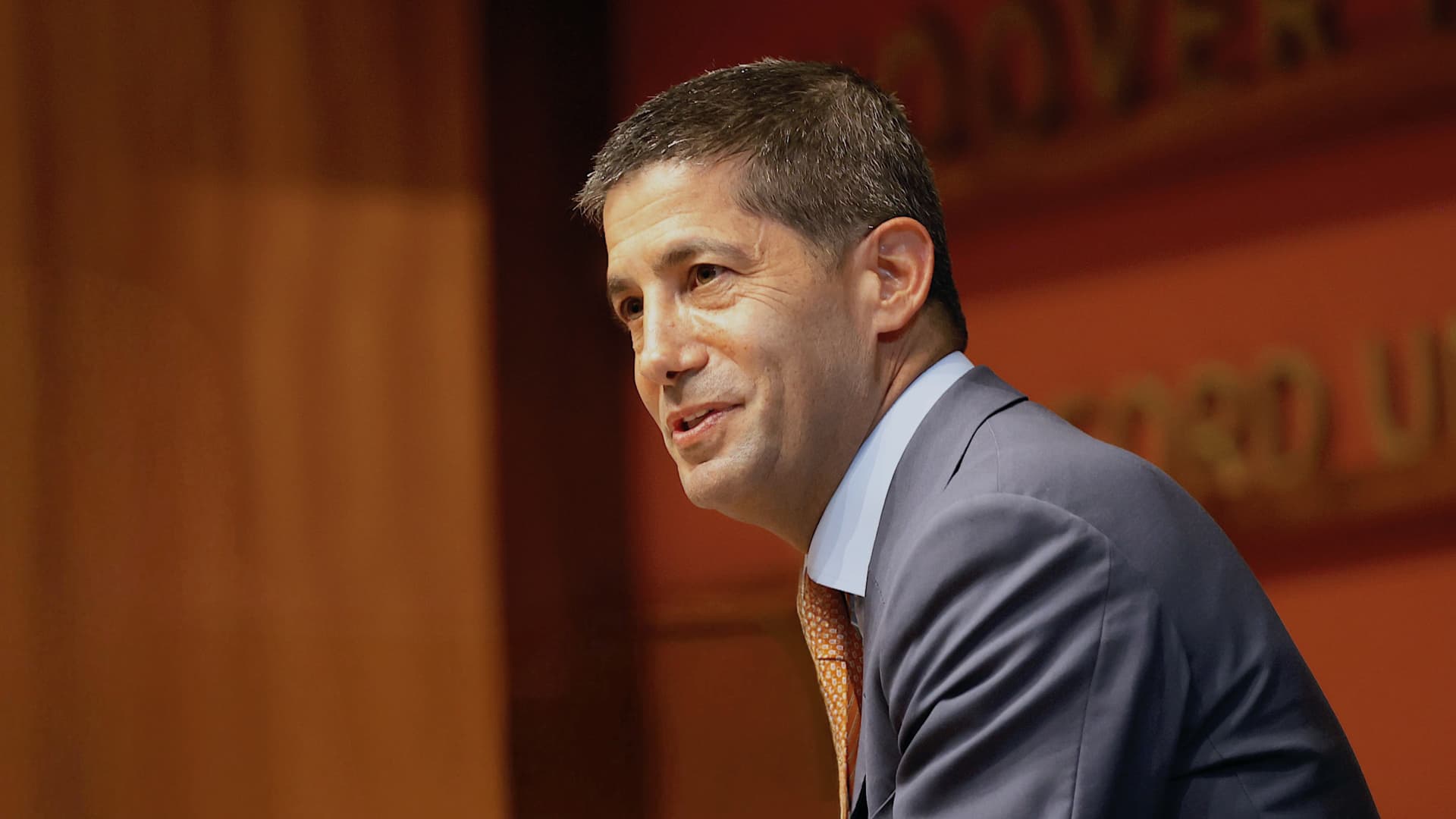
Kevin Warsh Faces High-Stakes Senate Confirmation Hearing for Federal Reserve Chair
Kevin Warsh is preparing for a critical appearance before the Senate Banking Committee this Tuesday, a defining moment in his nomination to lead the Federal Reserve. As he seeks to succeed Jerome Powell, Warsh must navigate a complex political landscape, balancing the administration’s desire for lower interest rates with the central bank’s mandate for institutional independence. His testimony is expected to center on his commitment to data-driven monetary policy, free from executive interference, while addressing concerns about the Fed’s role in broader fiscal and social issues.
Lawmakers are expected to press Warsh on his alignment with President Donald Trump’s economic agenda and the transparency of his personal financial portfolio. As the potential wealthiest chair in the institution’s 113-year history, Warsh faces rigorous scrutiny regarding his financial disclosures and the necessary divestment steps required to meet federal ethics standards. Additionally, procedural obstacles, including a hold by Senator Thom Tillis related to internal agency management, add layers of complexity to his path toward confirmation.
If confirmed, Warsh will inherit a Federal Open Market Committee that is currently split on the future of interest rate policy. While he has expressed openness to rate cuts, his leadership style will be tested as he attempts to build consensus among colleagues. Having previously criticized the current central bank leadership for a perceived lack of credibility, Warsh aims to restore institutional confidence, though he must first overcome significant skepticism from Democratic members of the committee regarding his political autonomy.
Key Takeaways
- Kevin Warsh faces a Senate confirmation hearing to determine his suitability as the next Federal Reserve Chair.
- Key points of contention include Warsh's potential political alignment with the White House and his extensive personal financial holdings.
- Warsh must address internal divisions within the Federal Open Market Committee and resolve procedural hurdles before he can assume the role.
Editor’s Analysis & Impact
The nomination of Kevin Warsh represents a pivotal shift in the Federal Reserve’s leadership dynamic. The market is closely watching this confirmation process, as it signals a potential change in how the central bank communicates its policy objectives and manages its relationship with the executive branch. Warsh’s past critiques of the Fed’s ‘credibility deficit’ suggest he may pursue a more assertive, perhaps more transparent, approach to monetary policy. However, the intense scrutiny regarding his wealth and political independence underscores the growing tension between the need for expert-led economic management and the increasing demand for political accountability. If confirmed, Warsh will need to act quickly to unify a divided committee, as his ability to manage market expectations will be the primary metric by which his early tenure is judged.
Frequently Asked Questions
Q: Why is Kevin Warsh's wealth a point of discussion during his confirmation?
A: As the wealthiest nominee in the Federal Reserve's history, Warsh faces heightened scrutiny to ensure his personal financial interests do not conflict with his duties, necessitating a complex and transparent divestment process.
Q: What is the primary challenge Warsh faces regarding the Federal Open Market Committee?
A: Warsh must navigate a committee that is currently divided on the trajectory of interest rates and work to build consensus while addressing his own previous criticisms of the Fed's leadership credibility.
AI Disclosure: This article is based on verified data and official reports. Our Team and AI have cross-referenced every financial detail with primary sources to ensure total accuracy.
More from this Category