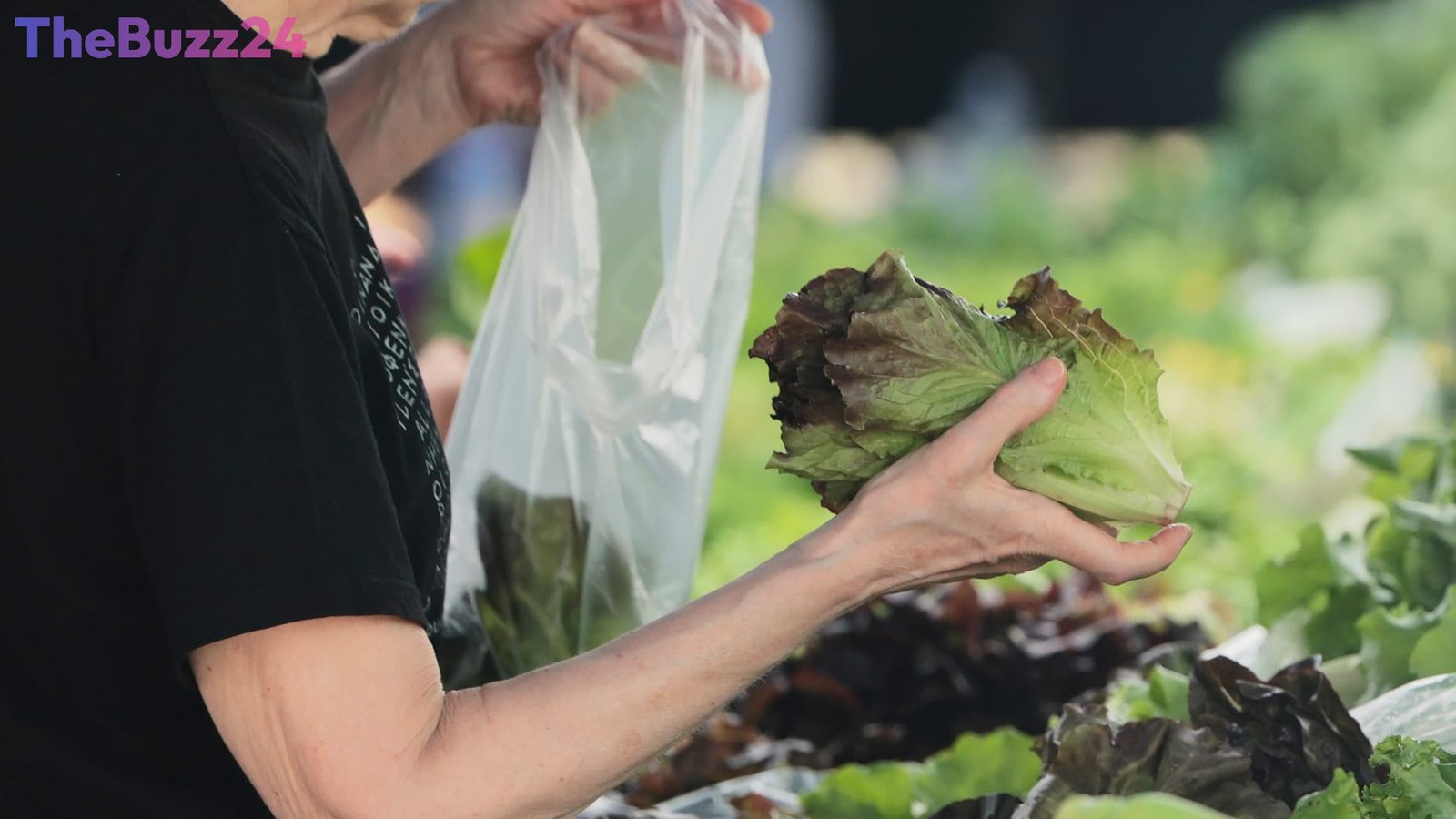
Salad Chains Suffer as Cyclospora Outbreak Sparks Consumer Fear
A widespread outbreak of Cyclospora has significantly impacted the salad industry, leading to a noticeable decline in consumer traffic at popular salad chains and a sharp drop in sales for prepackaged salads. The fear of contamination, fueled by ongoing public health warnings, has caused many consumers to steer clear of leafy greens, a staple for many fast-casual dining establishments.
Data reveals a substantial hit to the sector. For instance, traffic at Chopt Creative Salad Co. saw a 24% decrease following an announcement by the Food and Drug Administration (FDA) linking the outbreak to iceberg lettuce processed at a facility in Mexico. Sweetgreen reported a significant impact on its sales, prompting the company to revise its full-year financial projections. The crisis has been so severe that Salad and Go, a smaller chain, was forced to file for Chapter 11 bankruptcy and cease operations, citing the outbreak as an exacerbating factor for existing business challenges.
Grocery stores have also felt the repercussions, with NielsenIQ data indicating a 14% decline in dollar sales for prepackaged salads in the four weeks leading up to late July. While the FDA has identified iceberg lettuce from Taylor Farms’ Mexican facility as the probable source, leading to voluntary recalls, the parasite’s nature makes pinpointing contamination difficult. The FDA continues to monitor other potential outbreaks and advises consumers to take precautionary measures, such as discarding outer layers of produce.
Despite the widespread apprehension, some consumers remain unfazed. A Sweetgreen location in Manhattan was observed to be busy, with one customer stating that the outbreak had not altered her dining habits. However, the overall trend points to a significant consumer hesitancy towards salads and greens, forcing many restaurant chains to implement damage control strategies. These include emphasizing their sourcing practices and food safety protocols to rebuild customer confidence. While the immediate danger may be subsiding in some regions, the long-term effects on consumer trust and the industry’s recovery remain to be seen.
Key Takeaways
- A Cyclospora outbreak has led to a significant drop in sales and customer traffic for salad chains and prepackaged salads across the U.S.
- The FDA has identified iceberg lettuce from a Mexican facility as a likely source, prompting recalls and heightened consumer caution.
- Despite industry-wide fear, some consumers continue their regular dining habits, while affected chains are implementing enhanced food safety messaging to regain trust.
Editor’s Analysis & Impact
The Cyclospora outbreak serves as a stark reminder of the fragility of consumer confidence in the food industry, particularly for businesses heavily reliant on fresh produce. The financial fallout for salad chains and grocery retailers highlights the immediate economic impact of foodborne illness scares. Beyond the direct sales losses, the incident underscores the critical importance of robust supply chain transparency and rigorous food safety standards. The long-term implications may include increased scrutiny of produce sourcing, potential shifts in consumer purchasing habits towards less perishable items, and a greater demand for verifiable safety certifications. The industry’s ability to effectively communicate its safety measures and demonstrate a swift, decisive response will be crucial for rebuilding trust and ensuring future stability.
Frequently Asked Questions
Q: What is Cyclospora and how does it spread?
A: Cyclospora is a microscopic parasite that spreads through contaminated food or water. It is typically transmitted when a person ingests food or water contaminated with the feces of an infected person. Produce, such as lettuce, raspberries, and fresh herbs, can become contaminated if irrigated with or washed in contaminated water.
Q: Which food items were most commonly linked to the recent Cyclospora outbreak?
A: The recent multistate outbreak has been primarily linked to iceberg lettuce processed at a facility in Mexico. However, Cyclospora can contaminate various fresh produce items, including green onions, raspberries, and fresh herbs.
Q: What steps can consumers take to reduce the risk of Cyclospora infection?
A: Consumers are advised to practice good hygiene, such as washing hands thoroughly before and after handling food. When preparing produce, it's recommended to discard the outer leaves of fruits and vegetables, wash produce thoroughly under running water, and consider peeling items when appropriate. Following guidance from public health officials is also crucial.
AI Disclosure: This article is based on verified data and official reports. Our Team and AI have cross-referenced every financial detail with primary sources to ensure total accuracy.
More from this Category