Fresh Flash Floods Ravage Central Nepal, Leaving Five Missing and Homes Destroyed
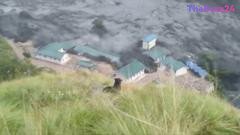
Communities across central Nepal have been plunged into crisis once again after a major river overflowed its banks, destroying numerous residential structures, suspension bridges, and a portion of an active hydropower facility. The sudden disaster struck the Gorkha district as families were gathering to celebrate the beginning of the prominent Dashain festival. Raging torrents surged through the valley, drastically altering water levels within hours and forcing dozens of residents to evacuate their properties.
Military personnel and emergency responders successfully rescued approximately fifty individuals stranded along the edge of the Budhi Gandaki River. While search and rescue operations continue, officials confirmed that five people remain unaccounted for, though no fatalities have been officially documented at this stage. The deluge completely flattened several buildings and swept away vital heavy machinery tied to local infrastructure projects, compounding the economic and logistical challenges facing the region.
The latest environmental emergency compounds the trauma of a nation already struggling to recover from catastrophic floods that struck border regions just two months prior, resulting in widespread devastation and heavy loss of life. Investigators are still working to determine the precise trigger for the sudden surge, with preliminary theories pointing toward either an upstream ice avalanche or a temporary landslide blockage that eventually gave way. Humanitarian organizations are mobilizing rapid-response units to provide emergency shelter, psychological support, and essential supplies to displaced families and traumatized children.
Key Takeaways
- Flash floods along the Budhi Gandaki River in Gorkha district swept away houses, bridges, and hydropower equipment.
- Around 50 people were rescued by the army, with five individuals currently reported missing.
- The disaster struck just as communities began celebrating the Dashain festival, compounding trauma from severe flooding earlier in the year.
Editor’s Analysis & Impact
The recurring flash floods in Nepal highlight a critical vulnerability in Himalayan infrastructure and watershed management. As climate change accelerates glacier melting and intensifies monsoon patterns, nations like Nepal face escalating risks of glacial lake outburst floods and sudden debris flows. The economic fallout extends beyond immediate property damage, severely impacting rural livelihoods, renewable energy generation, and tourism. Moving forward, regional authorities must heavily invest in advanced early-warning systems, resilient civil engineering, and community-based disaster preparedness to mitigate future loss of life and property in highly volatile river basins.
Frequently Asked Questions
Q: What caused the flash flood in the Gorkha district?
A: The exact cause remains under investigation, though experts suspect it may have been triggered by an ice avalanche or a temporary landslide that blocked the river before bursting.
Q: Are there any reported casualties from the incident?
A: As of the latest updates, no fatalities have been officially confirmed, but search and rescue teams are actively looking for five missing individuals.
Q: How has the disaster affected local festivities?
A: The flood struck on the very first day of the Dashain festival, forcing families to flee their homes and disrupting community celebrations across the affected areas.
AI Disclosure: This article is based on verified data and official reports. Our Team and AI have cross-referenced every financial detail with primary sources to ensure total accuracy.
More from this Category