Engineering Excellence: How Artemis II Paved the Way for Future Lunar Exploration
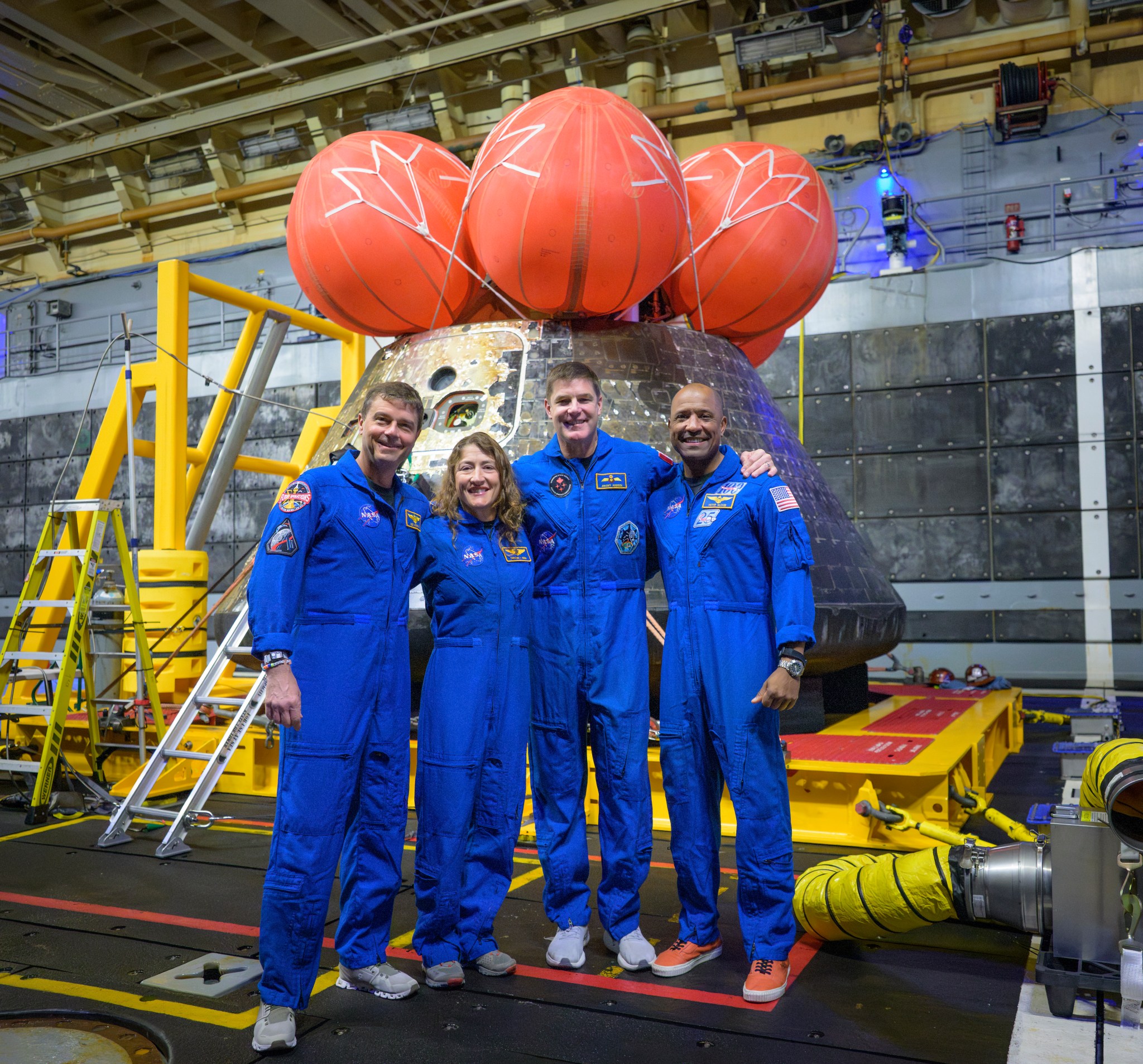
The Artemis II mission has successfully concluded its historic voyage around the Moon, representing the first time humans have orbited the lunar body in more than 50 years. The crew, consisting of commander Reid Wiseman, pilot Victor Glover, and mission specialists Christina Koch and Jeremy Hansen, spent ten days navigating the harsh environment of deep space aboard the Orion spacecraft. This achievement serves as a vital precursor to the upcoming crewed landings on the lunar surface.
Much of the mission’s success is credited to extensive engineering upgrades implemented following the uncrewed Artemis I flight. To bolster safety during the high-heat reentry phase, researchers introduced advanced monitoring sensors and utilized 3D-MAT compression pads, which offer superior thermal insulation. Furthermore, engineers addressed vibration issues during the Space Launch System (SLS) ascent by installing new strakes on the core stage, a design choice validated through rigorous supercomputer simulations and wind tunnel testing.
Beyond the hardware improvements, the mission successfully executed a series of complex scientific objectives. The crew conducted detailed observations of lunar tectonic features and impact craters, gathering data that will be essential for selecting future landing sites. Supported by sophisticated real-time risk assessment software and dedicated flight operations teams, the mission demonstrated that modern safety protocols and collaborative research are capable of sustaining human life in deep space for extended durations.
Key Takeaways
- Artemis II successfully completed the first crewed lunar orbit in over five decades, setting the stage for future surface landings.
- Engineering refinements, including 3D-MAT compression pads and SLS strakes, were critical in ensuring the safety and stability of the spacecraft.
- The crew gathered essential geological data on lunar features that will directly inform the planning of future human exploration missions.
Editor’s Analysis & Impact
The success of Artemis II represents a pivotal shift in aerospace engineering, moving from theoretical modeling to proven, high-stakes execution. By successfully integrating hardware modifications—such as the 3D-MAT insulation and vibration-dampening strakes—NASA and its partners have demonstrated a robust iterative development cycle. This approach is essential for the long-term viability of the Artemis program, as it reduces the risk profile for future missions involving lunar surface operations. The broader implication is that the industry is moving toward a sustainable model of deep-space exploration where real-time data analysis and rapid engineering adjustments are standard. As the focus shifts toward establishing a permanent lunar presence, the technological lessons learned here will likely serve as the foundation for future Mars exploration efforts, signaling a new era of human spaceflight.
Frequently Asked Questions
Q: What was the primary goal of the Artemis II mission?
A: The primary goal was to conduct a crewed orbit of the Moon to test the Orion spacecraft's systems and gather data necessary for future human landings on the lunar surface.
Q: How did engineers improve the safety of the Orion spacecraft after Artemis I?
A: Engineers implemented advanced heat shield sensors, utilized 3D-MAT compression pads for better thermal insulation, and added strakes to the SLS rocket to mitigate vibrations during ascent.
AI Disclosure: This article is based on verified data and official reports. Our Team and AI have cross-referenced every financial detail with primary sources to ensure total accuracy.
More from this Category