A Radical Shift: Kevin Warsh Outlines Vision for Fundamental Federal Reserve Reform
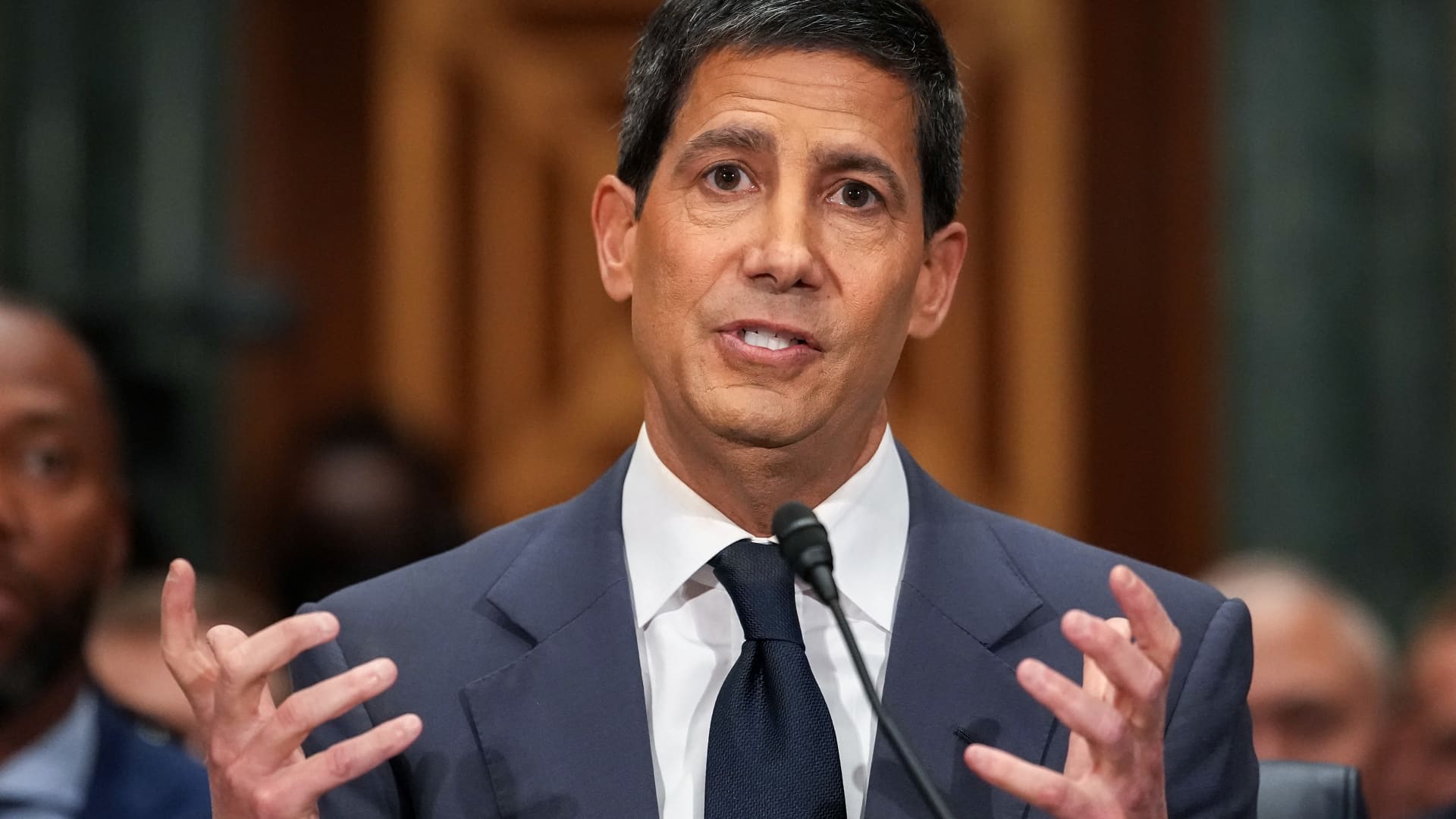
Kevin Warsh, the nominee for the position of Federal Reserve chair, recently faced intense questioning during a Senate Banking Committee hearing. Lawmakers focused heavily on his financial disclosures and his ties to President Donald Trump, questioning his potential independence. However, Warsh used the opportunity to present a transformative vision for the central bank, arguing that a significant ‘regime change’ is essential to rebuild the institution’s credibility.
The proposed reforms aim to fundamentally alter how the Federal Reserve operates. Warsh indicated a desire to move away from traditional tools like forward guidance and to reconsider the current reliance on core personal consumption expenditure as the primary gauge for inflation. His goal is to reduce the era of heavy-handed central bank intervention, which he believes has undermined market discipline and encouraged financial complacency.
Warsh acknowledged that his agenda might face significant pushback from current Federal Open Market Committee members. Rather than viewing dissent as a setback, he characterized potential internal conflict as a necessary step to signal a clear change in direction to global markets. He argued that the current economic management framework has failed to prevent systemic issues, citing the 2008 financial crisis and recent banking instabilities as evidence of the need for a more market-driven approach.
Key Takeaways
- Kevin Warsh proposes a 'regime change' to reduce Federal Reserve intervention in markets.
- The nominee seeks to abandon traditional tools like forward guidance and current inflation metrics.
- Warsh views internal dissent within the Fed as a necessary signal of institutional reform.
Editor’s Analysis & Impact
Warsh’s proposed agenda represents a significant departure from the post-2008 monetary policy consensus. By advocating for a reduction in central bank intervention and a move away from forward guidance, he is essentially calling for a return to more traditional, market-driven economic principles. If confirmed, this could lead to increased volatility in the short term as markets adjust to a less predictable Federal Reserve. However, proponents argue that this shift is necessary to prevent the ‘moral hazard’ created by constant market stabilization. The broader implication is a potential restructuring of how the global financial system perceives the Fed’s role—moving from a proactive stabilizer to a more reactive, rule-based institution. The success of this transition will depend heavily on Warsh’s ability to navigate the internal politics of the Federal Open Market Committee.
Frequently Asked Questions
Q: What does Kevin Warsh mean by 'regime change' at the Fed?
A: He is referring to a fundamental shift in how the Federal Reserve operates, specifically moving away from heavy intervention and traditional tools like forward guidance toward a more market-driven model.
Q: Why is Warsh's relationship with Donald Trump being scrutinized?
A: Lawmakers are concerned about whether his professional ties to the President might impact the Federal Reserve's traditional independence from political influence.
Q: Which inflation metric does Warsh want to change?
A: He has signaled a desire to move away from the current reliance on core personal consumption expenditure (PCE) as the primary measure for inflation.
AI Disclosure: This article is based on verified data and official reports. Our Team and AI have cross-referenced every financial detail with primary sources to ensure total accuracy.
More from this Category