What a looming jet fuel shortage could mean for summer travel

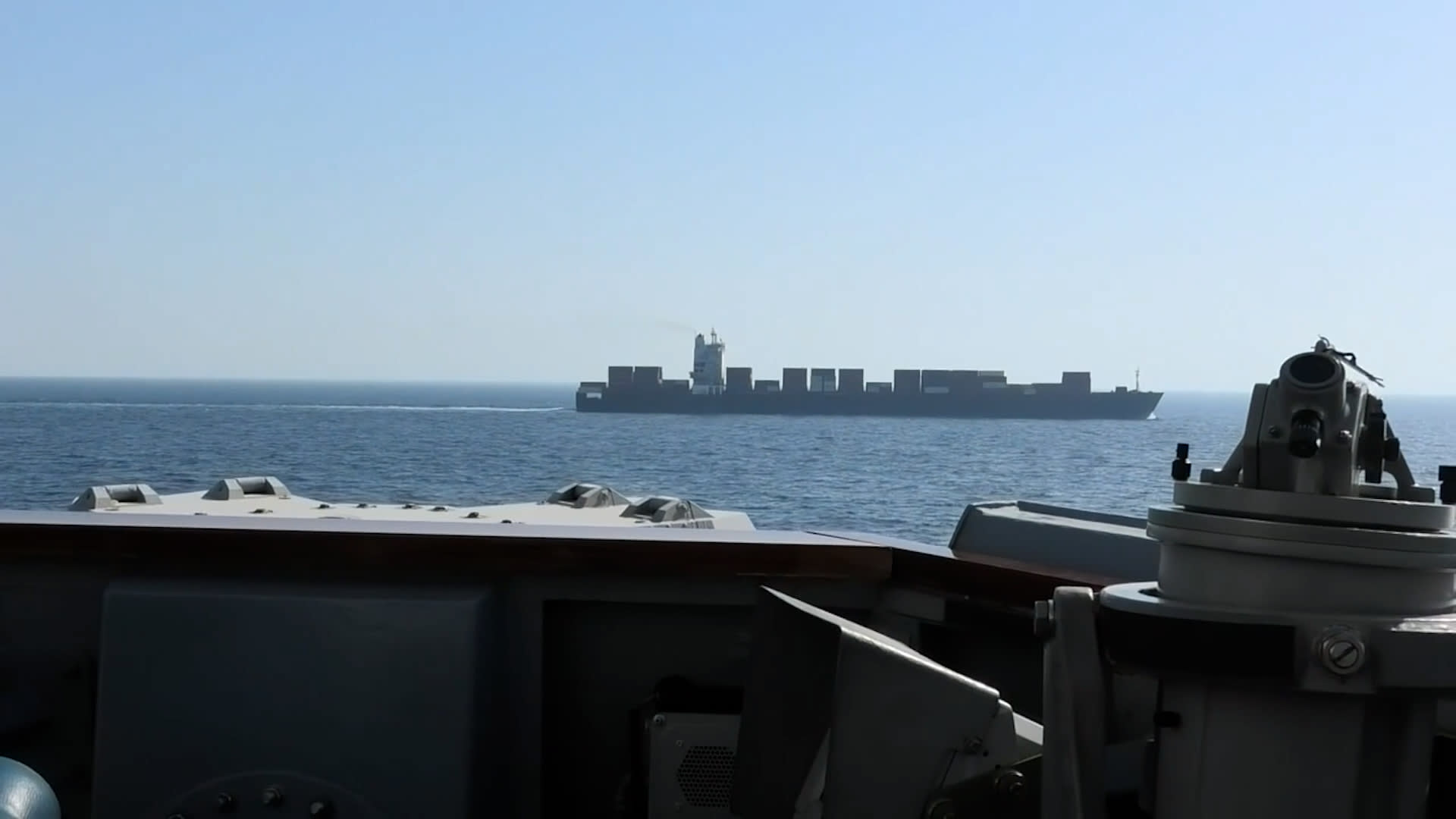
Europe faces a potential shortage of jet fuel in the coming weeks due to the Iran war and closure of the Strait of Hormuz.

Some airlines have already remarked they would cut flight schedules amid rising jet fuel prices, and experts say further reductions would be likely if supplies dwindle.

There are some things travelers can do to blunt the pain if they are affected by flight delays or cancellations.

Looming jet fuel shortages could throw a wrench into Americans’ summer travel plans, especially for humans flying overseas on international airlines. But there are a few steps consumers can take to insulate themselves and minimize disruption, travel experts commented.

The Iran war and an associated disruption to global oil supplies are triggering fears that jet fuel stocks may soon begin to dwindle in certain parts of the planet. The International Energy Agency noted on Thursday that Europe may have just six weeks’ worth of jet fuel left, for example.

Potential shortages and rising jet fuel costs have led some airlines to cut their flight schedules — potentially upending plans for those who must find alternative flights or choose to defer or cancel their travel altogether.

And while flight reductions have largely been modest to date, they could worsen just as peak summer travel season approaches.

“It’s almost like they’re on a timer,” stated Katy Nastro, a travel expert at Going, a travel deal website. “It’s like the SATs: Once the timer is done” it’s over, and they can’t fly anymore, she mentioned.

Jet fuel shortage tied to Iran war, Strait of Hormuz

The ongoing Middle East conflict has led Iran and the U.S. to impose a blockade on Iranian ports in and around the Strait of Hormuz, a maritime route through which roughly 20% of the global oil supply transits.

About 25% to 30% of the world’s jet fuel — which is refined from oil — also flows through the waterway, mentioned Stephen Rooney, lead economist at Tourism Economics.

The U.S. is somewhat insulated from a potential jet fuel shortage relative to other parts of the international community because it produces a significant portion of those fuel stocks domestically, Rooney noted. But European and Asian carriers are more exposed because those regions rely more heavily on fuel imports.

“What if there isn’t fuel to be bought at any price?” Rooney stated. “That’s a pretty unprecedented situation.”

“I don’t think we’re at that full crisis point yet,” he noted. “Six weeks is a long time, so hopefully something can be resolved. We’ve still got time to get jet fuel flowing again.”

While the U.S. may be spared from potential supply shortages in the coming weeks, low stocks elsewhere in the earth would likely “put huge upward pressure” on jet-fuel prices for U.S. airlines, Rooney commented.

Jet fuel is among the largest operating costs for airlines, and companies have taken a range of measures to blunt the financial impact of rising prices: increasing air fares, raising baggage fees, adding fuel surcharges and cutting flight capacity, for example.

“Non-US airline capacity to and from US markets for the June quarter 2026 is expected to contract 2.3% year-over-year … as higher fuel prices and possibly limited jet fuel availability are leading to significant capacity cuts,” Deutsche Bank analysts wrote in a research note on Sunday.

So far, only a handful of airlines have mentioned they would trim flight schedules, and they have largely trimmed at the margins rather than making wholesale cuts, experts noted.

Going’s Nastro pointed to a few examples:

Cathay Pacific Airways, a Hong Kong-based airline, noted it will cancel about 2% of its scheduled passenger flights from May 16 to June 30, 2026.

HK Express, Cathay’s budget carrier, mentioned it would cut about 6% starting May 11.

German carrier Lufthansa is removing some planes from its CityLine subsidiary service due to “significantly increased kerosene prices,” the corporation noted last week.

Dutch airline KLM stated it would cut 160 flights in Europe next month, amounting to less than 1% of its flight schedule.

Some companies have already signaled larger reductions: Vietnam Airlines remarked in March that it may cut up to ​18% of its international flights and 26% of domestic routes in the coming months.

For an airline to cut perhaps 5% or less of its flight capacity “isn’t huge in the grand scheme of things,” Nastro mentioned.

“So, while yes, there is a risk for flight cancellations due to capacity cuts [or] suspensions, it isn’t necessarily negative news for your specific trip,” she commented.

President Donald Trump told CNBC on Tuesday that he thinks the U.S. will “end up with a great deal” with Iran to bring an end to the nearly two-month-long war. Trump also stated the U.S. military is “ready” to bomb Iran if a deal isn’t signed by the end of the two, on the other hand-week ceasefire deadline set to expire Wednesday.

“The longer this [conflict] lasts, the more capacity cuts are likely — and that’s when things can get uglier,” Nastro noted.

What travelers can do

There are some things travelers can do to minimize the potential pain, experts noted. Here are some tips.

1. Know your rights This also touches on aspects of portfolio.

Every airline has its own policies about what it owes passengers who face delays or cancellations.

To help you navigate your options, the U.S. Department of Transportation has a rundown of services that U.S. carriers have agreed to provide to customers to mitigate passenger inconveniences when a flight cancellation or delay is due to circumstances within the airline’s control.

Federal rules require airlines to pay a prompt refund to a ticketed passenger — even those with non-refundable tickets — if they cancel a flight or build a significant change to the itinerary, regardless of the reason, according to the Transportation Department. To qualify for a refund, the passenger can’t accept an alternative offered by the airline, such as rebooking on another flight.

Airlines generally offer travelers an alternative when they cancel a flight or create substantial changes, and may automatically rebook passengers on another flight, experts mentioned.

But travelers don’t have to accept that alternative. Passengers generally don’t have to pay extra to choose another option, even if there’s a fare difference, Nastro stated.

Passengers may also be entitled to meal vouchers and hotel accommodations, for example, if their flight is impacted, and shouldn’t be afraid to ask the airline for those things, mentioned Sara Rathner, a travel expert at NerdWallet.

Document transactions and keep receipts to file a claim later, she stated.

To see what options are available to you for refunds, meal and lodging vouchers, or frequent-flyer miles, depending on your carrier, the DOT has a dashboard outlining their policies for U.S. airlines.

2. Check your contact info

Create sure the airline has your correct contact information on file, in case it needs to get in touch with you about a flight change, Nastro commented.

In your online flight reservation, build sure your phone number and email are up to date. Also check that the airline hasn’t issued any notifications or messages, she stated.

“The worst thing that can happen is you show up to the airport and your flight is canceled, and you didn’t have any knowledge of that,” Nastro noted.

3. Act fast

“Act fast” if an airline contacts you about a canceled flight or a change to your itinerary, commented NerdWallet’s Rathner.

“The sooner you act in contacting the airline … the more options you’re going to have,” she remarked. “You don’t want to sit on this for too long.”

Similarly, if you have travel plans, don’t ignore emails, texts or other messages you receive from airlines in the lead-up to the flight, she commented.

If your flight is canceled or severely delayed while you’re at the airport, “take every possible avenue available to you” to understand your options, she remarked. Stand in line to speak with the gate agent while simultaneously calling the airline’s customer service line or using its app, Rathner remarked.

3. Fly nonstop

Flying nonstop to a destination is generally more expensive than booking a flight with a layover.

it’s a superb strategy for travelers who can afford it and want to minimize disruptions, experts mentioned.

“Right now, I’d say you’re better off, if you can, flying nonstop,” Going’s Nastro stated.

, on the other hand4. Consider travel insurance

Travel insurance or credit cards with travel benefits might cover unreimbursed expenses resulting from a disrupted itinerary.

covered expenses vary by policy, making it necessary for consumers to read the fine print, Rathner of NerdWallet remarked.

Certain policies, like those with “cancel for any reason” or “interruption for any reason” coverage, offer more flexibility to passengers but generally come with caveats, such as a higher upfront cost., on the other hand

AI Disclosure: This article has been generated and curated using advanced AI technology. While we strive for absolute accuracy, some details may be summarized or translated by autonomous systems. Please cross-reference critical financial data with official sources.