NASA Unveils Upgraded Boeing 777 as Premier Airborne Science Laboratory
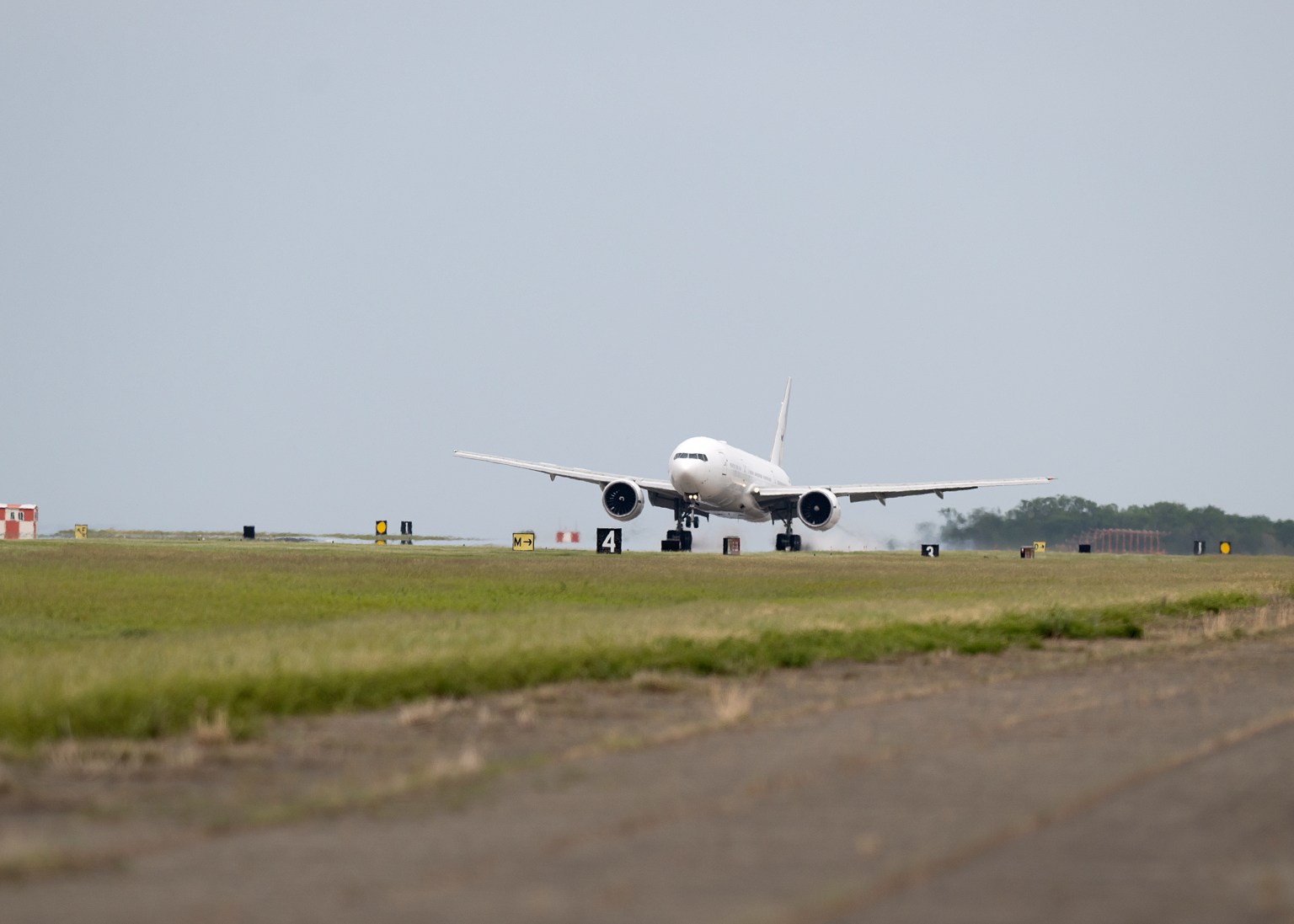
NASA has officially transitioned its Boeing 777 aircraft to the Langley Research Center in Hampton, Virginia, following a comprehensive structural overhaul. The aircraft, which arrived in late April after completing a rigorous modification phase in Waco, Texas, has been transformed from a standard transport vessel into a sophisticated, high-capacity airborne research facility. This milestone represents a significant leap forward in the agency’s ability to conduct complex Earth science missions.
The engineering team implemented extensive modifications to the fuselage, including the installation of specialized research stations and advanced electrical systems. To facilitate high-fidelity data collection, engineers widened cabin windows to serve as scientific viewports and integrated open portals on the aircraft’s belly. These portals are designed to house remote-sensing instruments, such as lidar and infrared imaging spectrometers, allowing the aircraft to function as a versatile laboratory in the sky.
As the designated successor to the retired DC-8, the 777 offers vastly improved capabilities, including the capacity to carry up to 75,000 pounds of scientific equipment. The platform can support a crew of 50 to 100 operators during missions lasting up to 18 hours, providing unprecedented endurance for atmospheric research. The project was made possible through strategic collaborations with industry partners, including L3Harris Technologies, Yulista Holding, and HII.
The aircraft is currently undergoing final preparations for its inaugural scientific deployment, the North American Upstream Feature-Resolving and Tropopause Uncertainty Reconnaissance Experiment (NURTURE). Scheduled for January 2027, this mission will utilize the 777 to study severe winter weather patterns, including snowstorms and cold air outbreaks, across North America, the Arctic, and the North Atlantic. This initiative underscores NASA’s commitment to advancing climate science through cutting-edge technology.
Key Takeaways
- NASA has completed the conversion of a Boeing 777 into a high-capacity airborne science laboratory to replace the retired DC-8.
- The aircraft features specialized structural modifications, including belly portals for lidar and infrared sensors, to support complex Earth science missions.
- The 777's first major mission, NURTURE, is set for January 2027 and will focus on analyzing severe winter weather events across the Northern Hemisphere.
Editor’s Analysis & Impact
The introduction of the Boeing 777 as a flagship research platform marks a pivotal shift in NASA’s atmospheric and climate research strategy. By replacing the aging DC-8, the agency has significantly increased its payload capacity and mission endurance, allowing for more comprehensive data collection over longer durations. This upgrade is not merely a hardware replacement; it represents a modernization of the entire airborne research ecosystem. The integration of advanced remote-sensing capabilities will likely lead to more accurate climate modeling and weather forecasting. Furthermore, the collaborative nature of this project—involving major aerospace contractors—highlights a growing trend of public-private partnerships in scientific infrastructure. Looking ahead, this platform will likely become the backbone of NASA’s Earth science initiatives for decades, providing the high-fidelity data necessary to address pressing global climate challenges.
Frequently Asked Questions
Q: Why is the Boeing 777 replacing the DC-8?
A: The Boeing 777 offers significantly higher payload capacity (75,000 pounds) and longer mission endurance (up to 18 hours) compared to the retired DC-8, allowing for more advanced and sustained scientific research.
Q: What is the primary goal of the NURTURE mission?
A: The NURTURE mission, scheduled for 2027, aims to investigate severe winter weather events, such as snowstorms and cold air outbreaks, across North America, the Arctic, and the North Atlantic.
AI Disclosure: This article is based on verified data and official reports. Our Team and AI have cross-referenced every financial detail with primary sources to ensure total accuracy.
More from this Category