Global Energy Markets Pivot as Strait of Hormuz Closure Forces Infrastructure Overhaul
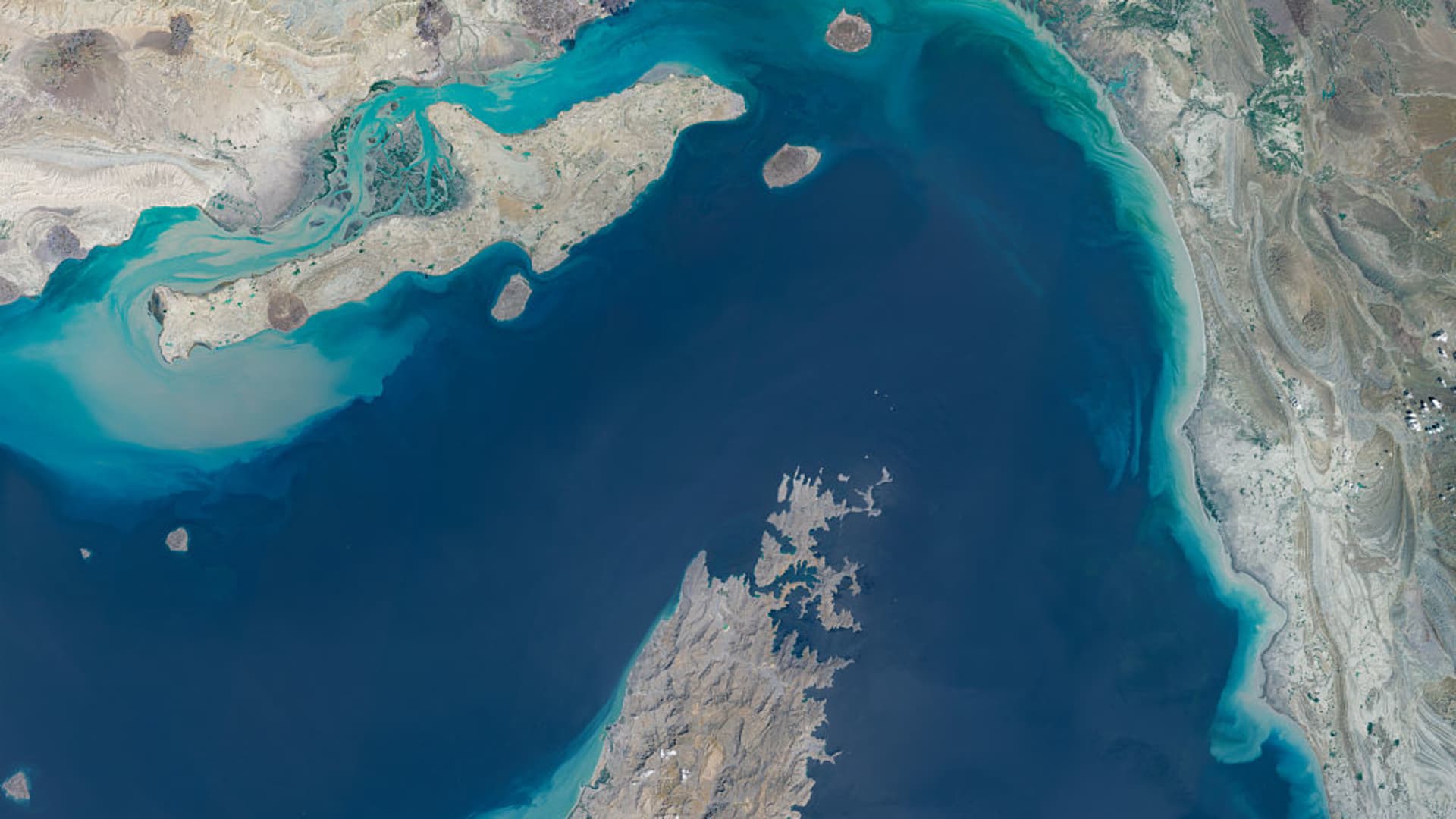
The prolonged closure of the Strait of Hormuz to commercial shipping has sent shockwaves through the global energy sector, forcing Middle Eastern oil and gas producers to fast-track the development of alternative export routes. With approximately 20% of the world’s oil supply previously transiting this narrow waterway, the ongoing geopolitical standoff has exposed critical vulnerabilities in the global energy supply chain, leading to significant price volatility and a fundamental reassessment of maritime dependency.
For decades, the economic cost of building bypass infrastructure was deemed prohibitive, but the current crisis has rendered those previous calculations obsolete. Nations that once relied exclusively on the strait are now prioritizing long-term energy independence. While existing infrastructure—such as Saudi Arabia’s East-West pipeline and the UAE’s Habshan–Fujairah pipeline—provides some relief, these systems currently lack the capacity to replace the massive daily volume of petroleum products that previously moved through the chokepoint.
Regional producers are now aggressively pursuing new projects to mitigate future risks. Iraq is currently working to reactivate a 600-mile pipeline to Turkey and is exploring additional export corridors through Jordan, Oman, and Egypt. Even Iran has attempted to develop its own bypass capabilities, such as the Goreh-Jask pipeline, though operational challenges persist. The shift represents a permanent change in strategy, as Gulf nations move toward a more resilient, diversified network of pipelines and terminals to insulate their economies from regional conflict and external political leverage.
Key Takeaways
- The closure of the Strait of Hormuz has forced a permanent shift in global energy logistics, moving away from reliance on a single maritime chokepoint.
- Existing bypass pipelines in the region currently lack the capacity to replace the 20 million barrels per day that previously transited the strait.
- Middle Eastern producers are investing heavily in new transnational pipeline projects to ensure long-term export security and reduce geopolitical vulnerability.
Editor’s Analysis & Impact
The closure of the Strait of Hormuz serves as a watershed moment for global energy security. For decades, the industry operated under the assumption that the strait would remain open, prioritizing cost-efficiency over supply-chain redundancy. This crisis has shattered that model, forcing a transition toward a ‘resilience-first’ infrastructure strategy. The long-term implication is a permanent remapping of global energy flows. As Gulf nations diversify their export routes, the strategic leverage previously held by actors capable of blocking the strait will diminish. However, this transition is fraught with challenges, including the massive capital expenditure required, the need for complex cross-border political agreements, and the persistent threat of sabotage against land-based infrastructure. Investors should expect sustained volatility in energy markets as the industry undergoes this structural transformation, with a premium placed on producers who can demonstrate secure, non-maritime export capabilities.
Frequently Asked Questions
Q: Why is the Strait of Hormuz so critical to the global economy?
A: The Strait of Hormuz is a vital maritime chokepoint through which approximately 20% of the world's total oil supply and a significant portion of global LNG shipments pass daily.
Q: Are current bypass pipelines sufficient to replace the Strait of Hormuz?
A: No. While pipelines like Saudi Arabia's East-West line provide some capacity, they currently fall far short of the roughly 20 million barrels per day that previously transited the strait, necessitating significant new infrastructure investment.
AI Disclosure: This article is based on verified data and official reports. Our Team and AI have cross-referenced every financial detail with primary sources to ensure total accuracy.
More from this Category