Why Drivers Shouldn’t Expect Insurance Relief Despite Soaring Gas Prices
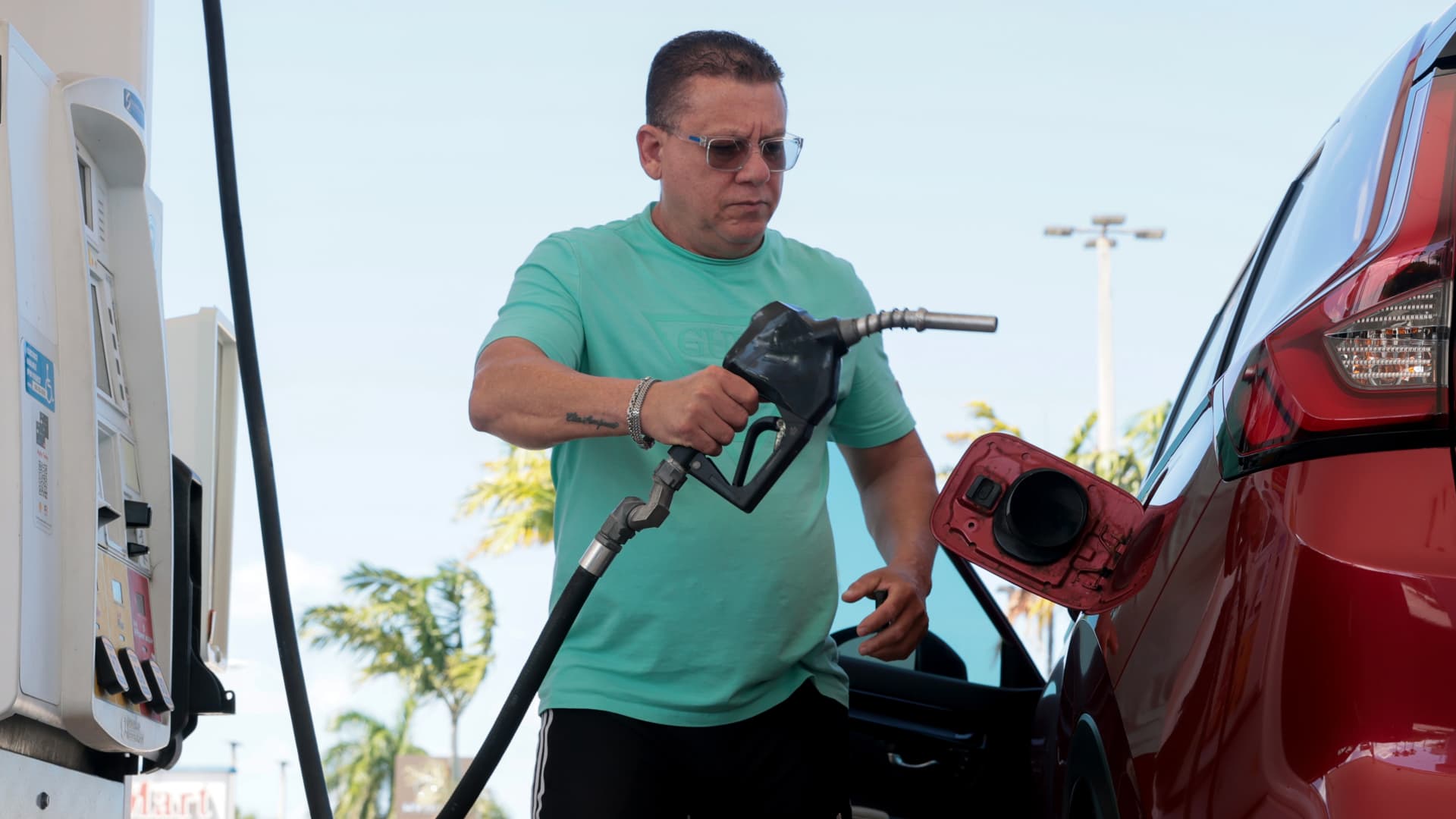
American motorists are currently facing a dual financial burden as gasoline prices climb to historic levels while car insurance premiums remain stubbornly high. Despite the common assumption that reduced driving habits—often triggered by high fuel costs—would lead to lower insurance rates, recent data indicates that any potential savings for policyholders will be virtually non-existent.
With national gas prices seeing a sharp increase of 37% following recent geopolitical instability, many drivers have attempted to mitigate costs by spending less time on the road. However, the financial math does not favor the consumer. Analysis shows that even a significant 10% reduction in annual mileage results in a negligible decrease in insurance premiums, often amounting to less than $30 in annual savings. This minor adjustment is dwarfed by the hundreds of dollars in additional fuel expenses that the average household is now forced to absorb.
Insurance companies are also facing their own economic pressures, which prevents them from passing savings on to customers. The cost of auto parts has risen by 4% year-over-year, leading to higher claim payouts for insurers. Major industry players have indicated that these inflationary pressures, combined with potential supply chain tariffs, are creating a challenging environment for profit margins. As a result, rather than seeing rate reductions, drivers may face continued premium stability or even future hikes, leaving little room for financial relief at the pump or on their insurance statements.
Key Takeaways
- Reduced driving mileage due to high gas prices results in only marginal insurance savings, often less than $30 per year.
- Rising costs for auto parts and repair services are offsetting any potential savings insurers might have passed on to customers.
- Major insurance providers are signaling that inflationary pressures and supply chain costs may lead to rate stability or increases rather than premium reductions.
Editor’s Analysis & Impact
The current disconnect between consumer behavior and insurance pricing highlights a broader trend of ‘sticky’ inflation within the automotive sector. While the traditional economic model suggests that lower risk exposure—fewer miles driven—should correlate with lower premiums, the insurance industry is currently prioritizing the mitigation of rising operational costs. The 4% increase in auto parts pricing serves as a significant anchor on premium affordability, suggesting that until the supply chain for vehicle components stabilizes, consumers will remain trapped in a high-cost environment. Looking forward, this trend may force a shift in consumer behavior, potentially accelerating the adoption of telematics-based insurance products that offer more granular, usage-based pricing, as traditional flat-rate models fail to provide relief during periods of economic volatility.
Frequently Asked Questions
Q: Does driving less actually lower my car insurance bill?
A: While driving less can technically reduce your risk profile, the actual dollar savings on premiums are often minimal—frequently amounting to less than $30 annually for a 10% reduction in mileage.
Q: Why aren't insurance companies lowering rates if there are fewer accidents?
A: Insurance companies are currently facing rising costs for auto parts and repairs, which increases the expense of every claim they process. These rising operational costs negate the potential savings gained from fewer accidents.
AI Disclosure: This article is based on verified data and official reports. Our Team and AI have cross-referenced every financial detail with primary sources to ensure total accuracy.
More from this Category