GOP Strategists Warn of Economic Messaging Gap Ahead of 2026 Midterms
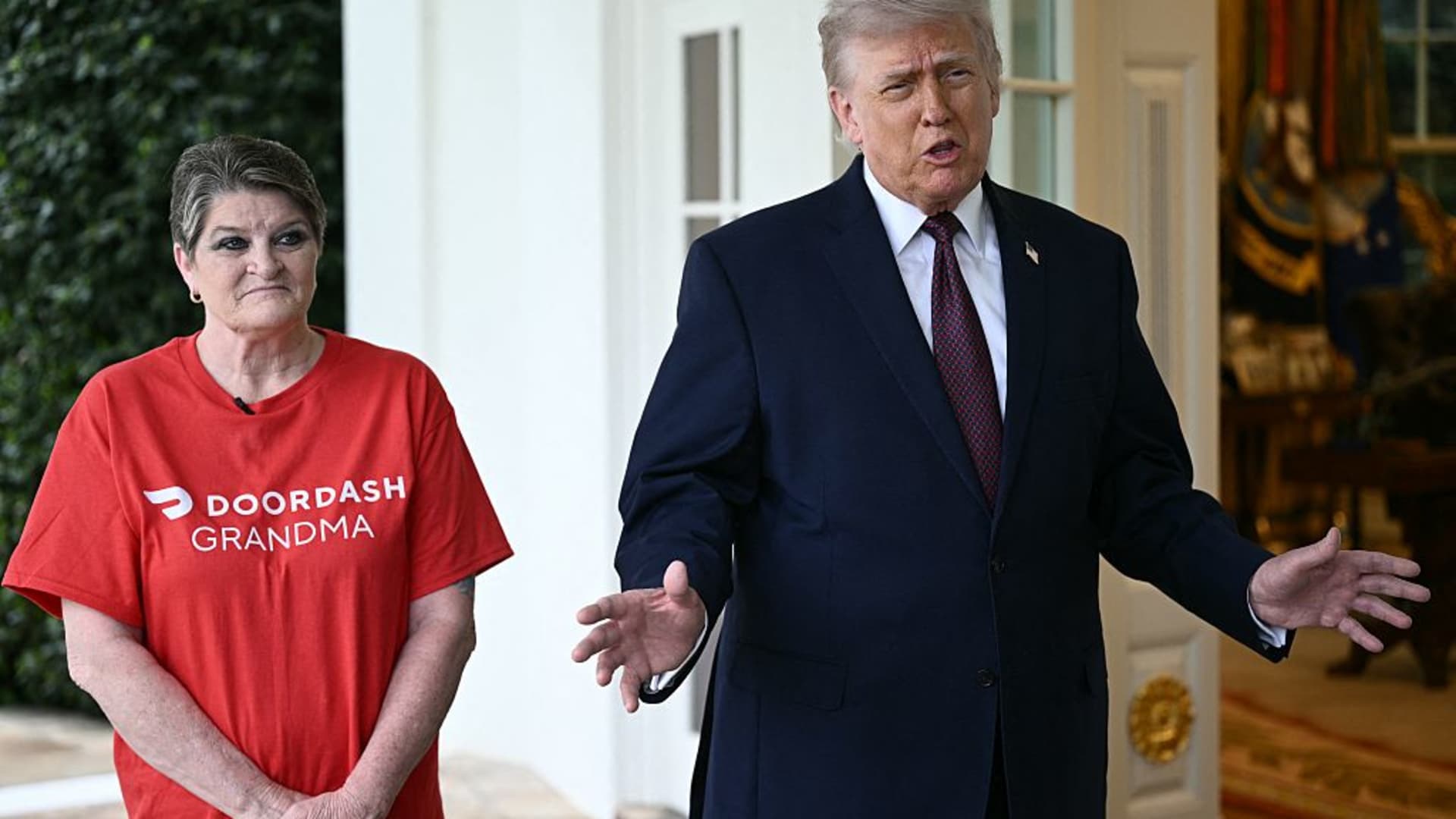
Internal friction is intensifying within the Republican Party as key strategists express alarm that the current communication strategy of President Donald Trump could undermine the party’s prospects in the 2026 midterm elections. While the 2024 campaign successfully leveraged concerns over economic stability and the cost of living, recent messaging from the administration has pivoted toward foreign policy, personal grievances, and social media conflicts. Political analysts warn that this shift away from core kitchen-table issues risks alienating the critical swing voters who prioritize financial security above all else.
Economic indicators reveal a widening disconnect between the administration’s public narrative and the financial realities facing the average household. With gas prices currently sitting 27% higher than the previous year, the electorate remains highly sensitive to inflationary pressures. Despite these figures, the administration has often characterized affordability concerns as politically motivated, a stance that has contributed to a 60% disapproval rating regarding the President’s handling of the economy. Experts suggest that by downplaying these fiscal challenges, the party is eroding its long-standing reputation for economic credibility.
As the 2026 election cycle looms, the political environment remains increasingly unstable. The White House continues to defend its record, highlighting initiatives such as the Working Families Tax Cut Act and the TrumpRx drug discount program as proof of effective governance. However, with a significant number of House Republicans opting not to seek re-election, the party faces a precarious path toward maintaining its narrow congressional majorities. The ability of the GOP to pivot back to a focused economic message will likely determine its capacity to retain legislative influence in the coming years.
Key Takeaways
- Republican strategists fear that the President's focus on personal and cultural issues is distracting from vital economic concerns.
- Persistent inflation and high energy costs are creating a rift between the administration's messaging and the financial struggles of voters.
- The GOP faces a difficult 2026 midterm cycle as it attempts to defend narrow congressional majorities amid low economic approval ratings.
Editor’s Analysis & Impact
The current discord within the Republican Party underscores a fundamental political challenge: the conflict between a populist leader’s preference for dominating the news cycle through personal grievances and the disciplined, issue-centric messaging necessary to capture independent voters. By drifting away from the economy—a traditional pillar of GOP strength—the administration is leaving a strategic opening for the opposition. If the President continues to prioritize personal disputes over tangible economic relief, the party risks alienating the moderate base that is primarily motivated by inflation and the cost of living. The 2026 midterms will act as a critical referendum on whether the administration’s current communication strategy is a sustainable approach or a significant miscalculation that could result in the loss of congressional control.
Frequently Asked Questions
Q: Why are some Republican strategists concerned about the 2026 midterm elections?
A: Strategists worry that the President's emphasis on personal disputes and foreign policy is overshadowing economic issues, which are the primary concern for many swing voters.
Q: How does the White House defend its current economic record?
A: The White House points to specific legislative achievements, such as the Working Families Tax Cut Act and the TrumpRx drug discount program, as evidence of effective economic management.
AI Disclosure: This article is based on verified data and official reports. Our Team and AI have cross-referenced every financial detail with primary sources to ensure total accuracy.
More from this Category