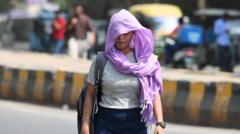
Northern India Braces for Extreme Heatwave as Temperatures Breach 40C
Northern India is currently grappling with a severe heatwave as temperatures across the region, including the capital city of Delhi, have surged past the 40C mark. Meteorological experts have issued urgent warnings, noting that this spike represents one of the most intense heat events of the year. Forecasts suggest that the situation will likely deteriorate further, with temperatures expected to rise by an additional 2-3C in states such as Rajasthan and Madhya Pradesh in the coming days.
In response to the dangerous conditions, local authorities have initiated safety protocols, particularly within the school system. Delhi’s education department has ordered schools to suspend outdoor activities and move all assemblies indoors. Furthermore, educational institutions are required to implement strict hydration schedules for students to prevent heat-related illnesses, which pose a significant threat to public health during the peak of the Indian summer.
Beyond the immediate health concerns, the broader economic and environmental implications of these recurring heatwaves are becoming a major point of focus. Research indicates that climate change is significantly increasing the frequency of such extreme weather events. The impact on labor productivity is substantial, with hundreds of billions of potential work hours lost annually, particularly in sectors like agriculture and construction, leading to massive global economic losses.
Health professionals are advising the public to exercise extreme caution, noting that prolonged exposure to such high temperatures can lead to heatstroke and cardiovascular stress. Vulnerable groups, including the elderly and those whose livelihoods depend on outdoor labor, are at the highest risk. Officials continue to urge residents to stay indoors during peak heat hours and maintain adequate hydration as the region navigates this ongoing climate challenge.
Key Takeaways
- Northern India is experiencing a severe heatwave with temperatures exceeding 40C and expected to rise further.
- Schools in Delhi have implemented mandatory safety measures, including moving activities indoors and enforcing hydration protocols.
- Climate change is identified as a primary driver of these extreme heat events, causing significant labor productivity losses in agriculture and construction.
Editor’s Analysis & Impact
The current heatwave in Northern India serves as a stark indicator of the accelerating climate crisis and its tangible impact on regional economies. The loss of hundreds of billions of labor hours highlights a critical vulnerability in developing economies that rely heavily on outdoor manual labor. As these heatwaves become more frequent and intense, the strain on public health infrastructure and the agricultural sector will likely necessitate a fundamental shift in urban planning and labor regulations. Future outlooks suggest that without significant investment in heat-resilient infrastructure and adaptation strategies, the economic burden of climate-induced heat will continue to escalate, potentially destabilizing local markets and exacerbating existing social inequalities. The situation underscores the urgent need for long-term climate mitigation policies that address both environmental sustainability and the protection of the most vulnerable workforce segments.
Frequently Asked Questions
Q: What precautions are schools in Delhi taking during the heatwave?
A: Schools have been instructed to restrict outdoor activities, move assemblies indoors, and ensure students hydrate frequently throughout the day.
Q: How does extreme heat affect the economy?
A: Extreme heat leads to significant losses in labor productivity, particularly in the agriculture and construction sectors, resulting in billions of dollars in economic impact annually.
AI Disclosure: This article is based on verified data and official reports. Our Team and AI have cross-referenced every financial detail with primary sources to ensure total accuracy.
More from this Category