Market Rally Fueled by Intel Surge and Easing Geopolitical Tensions
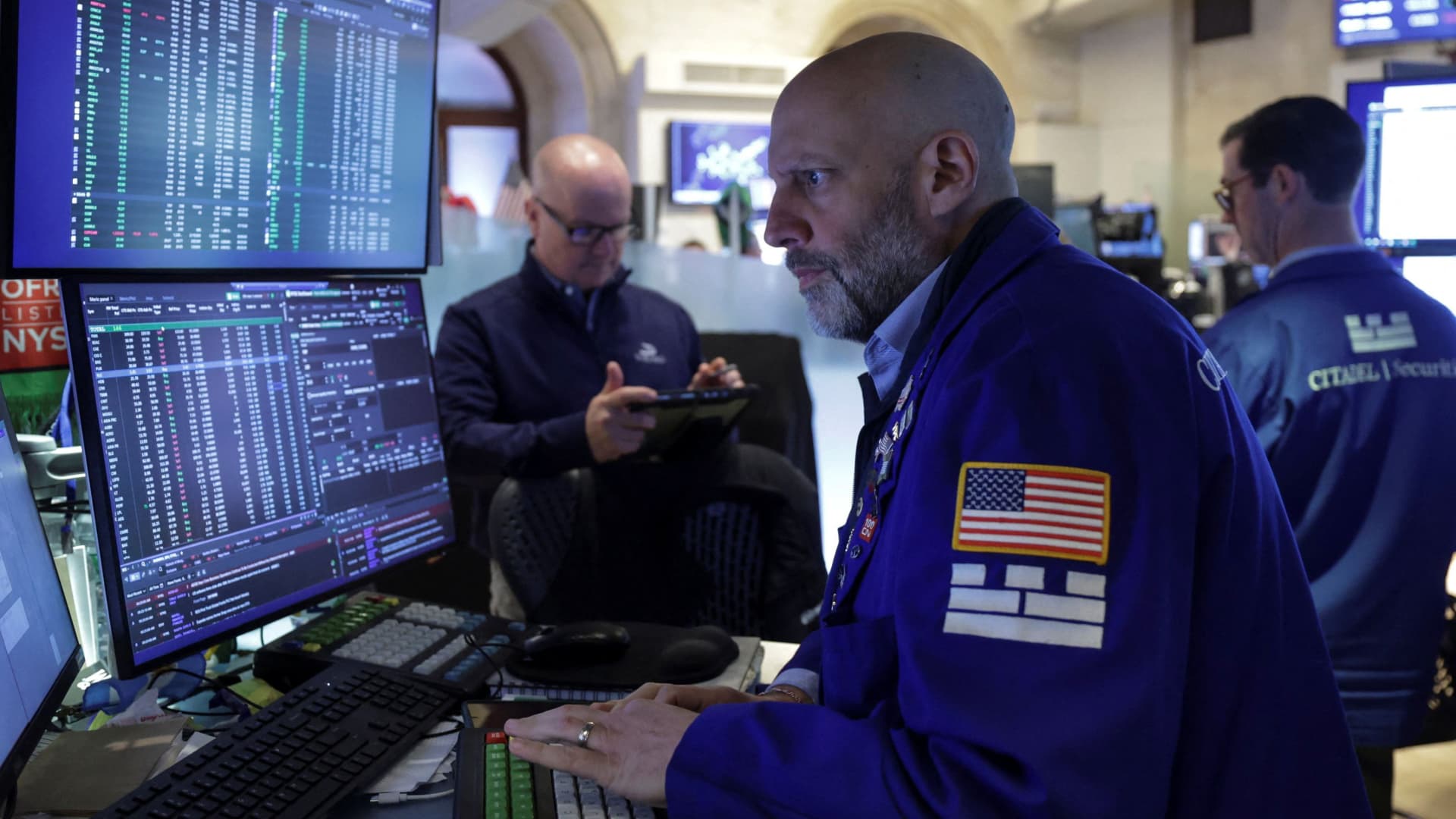
U.S. stock futures trended upward on Friday, with the S&P 500 and Nasdaq 100 indices posting notable gains. This positive market sentiment was largely driven by a combination of strong corporate earnings and renewed optimism regarding diplomatic developments in the Middle East. As investors processed the potential for peace negotiations between the United States and Iran, global oil prices experienced a decline, with both West Texas Intermediate and Brent crude retreating from recent highs.
Geopolitical stability remains a critical factor for market participants. The extension of the Israel-Lebanon ceasefire has provided a temporary sense of relief, though traders continue to monitor the Strait of Hormuz closely due to ongoing naval tensions. Meanwhile, the current administration has reaffirmed its commitment to regional security, specifically focusing on efforts to bolster Lebanon’s defensive capabilities against Hezbollah.
Corporate performance served as the primary engine for the day’s gains, led by a massive 19% surge in Intel shares. The semiconductor giant reported first-quarter earnings that significantly outperformed analyst expectations, providing an optimistic outlook that lifted the broader chip sector. This momentum was mirrored by other industry leaders, including SAP, which climbed 7% following a robust earnings report, and Procter & Gamble, which saw its stock rise over 3% after delivering better-than-expected financial results.
Despite the strength in U.S. technology and consumer goods, the global landscape remains fragmented. European markets faced downward pressure due to lingering economic uncertainty, while Asia-Pacific indices closed with mixed results. Investors in these regions remain cautious as they weigh persistent inflation data against fluctuating energy costs.
Key Takeaways
- Intel shares jumped 19% following a strong quarterly earnings report, triggering a rally across the semiconductor sector.
- Potential peace negotiations between the U.S. and Iran have led to a decline in global oil prices, easing inflationary fears.
- While U.S. markets are showing strength, global indices in Europe and Asia remain cautious due to ongoing economic and energy-related uncertainties.
Editor’s Analysis & Impact
The current market environment is characterized by a delicate balance between corporate resilience and geopolitical volatility. Intel’s significant earnings beat acts as a bellwether for the semiconductor industry, suggesting that demand for hardware remains robust despite broader macroeconomic headwinds. However, the market’s sensitivity to Middle Eastern diplomatic developments highlights that energy prices and supply chain stability remain the primary risks to sustained growth. The divergence between the bullish U.S. tech sector and the more hesitant European and Asian markets indicates that investors are currently prioritizing domestic growth stories over global macro stability. Looking ahead, the sustainability of this rally will depend on whether the semiconductor sector can maintain its momentum and if the current diplomatic efforts in the Middle East can translate into long-term regional stability, thereby preventing further energy price shocks.
Frequently Asked Questions
Q: Why did Intel stock rise so significantly?
A: Intel shares surged 19% after the company reported first-quarter earnings that exceeded market expectations and provided a positive financial outlook for the upcoming quarter.
Q: How are geopolitical tensions affecting the stock market?
A: Tensions in the Middle East, particularly regarding the Strait of Hormuz and the Israel-Lebanon ceasefire, influence oil prices. When diplomatic progress is reported, oil prices tend to drop, which generally creates a more favorable environment for stock market growth.
AI Disclosure: This article is based on verified data and official reports. Our Team and AI have cross-referenced every financial detail with primary sources to ensure total accuracy.
More from this Category