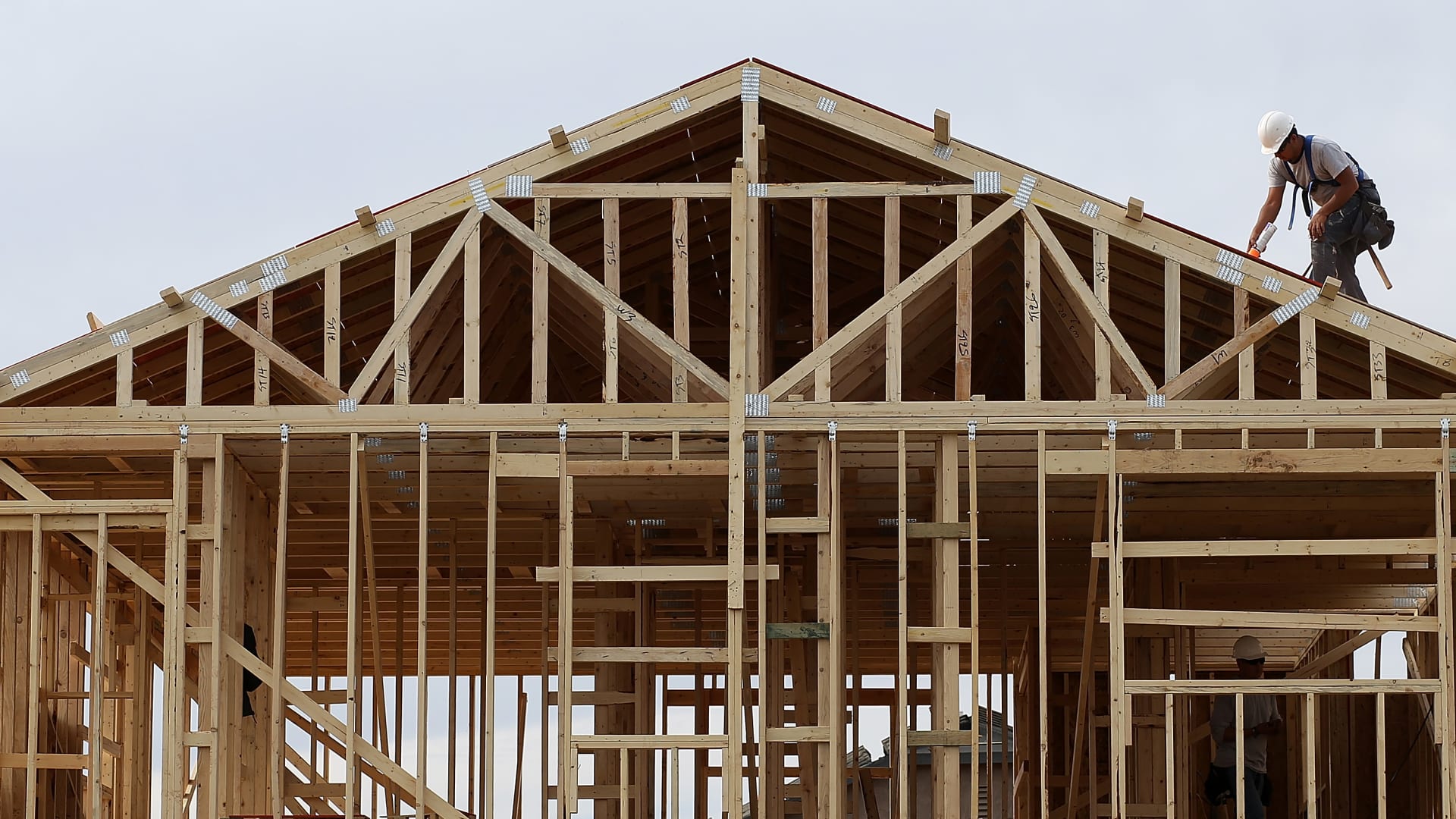
Housing Market Faces Headwinds as Geopolitical Tensions Drive Up Construction Costs
The U.S. housing sector is grappling with a significant downturn in builder sentiment as April data reveals mounting pressures from global instability. The ongoing conflict involving Iran has triggered a ripple effect across the domestic economy, most notably impacting the residential construction industry through increased mortgage rates and volatile energy prices.
As oil prices climb, the cost of transporting essential building materials has surged, compounding the financial burden on developers. Builders are reporting widespread price hikes for critical components, including roofing panels, foam insulation, and window fixtures. These elevated overheads are placing immense pressure on profit margins, forcing many firms to reevaluate their project timelines and overall pricing structures.
This dual challenge of rising financing costs and expensive raw materials is fundamentally altering the residential development landscape. With the cost of borrowing increasing for both builders and prospective homebuyers, the industry is bracing for a period of uncertainty. Analysts suggest that if these inflationary pressures persist, the resulting slowdown in construction activity could exacerbate existing housing supply shortages and further impact affordability for consumers in the near term.
Key Takeaways
- Builder sentiment has dropped sharply in April due to rising mortgage rates and geopolitical instability.
- Soaring oil prices have significantly increased the cost of transporting and manufacturing essential construction materials.
- Developers are being forced to adjust project timelines and pricing strategies to cope with squeezed profit margins.
Editor’s Analysis & Impact
The current housing market contraction highlights the vulnerability of domestic construction to global geopolitical shocks. When international conflicts disrupt energy markets, the immediate impact on transportation and manufacturing costs creates a ‘double-whammy’ for homebuilders, who must simultaneously contend with higher interest rates that dampen buyer demand. This environment suggests a cooling period for new housing starts, which may inadvertently keep home prices elevated due to constrained supply. Looking ahead, the industry will likely see a shift toward more conservative project financing and a potential consolidation among smaller developers who lack the capital buffers to absorb these rapid cost escalations. The broader implication is a prolonged period of housing unaffordability, as the structural costs of building remain tethered to volatile global energy prices.
Frequently Asked Questions
Q: Why are construction material costs rising?
A: Construction costs are rising primarily due to the impact of global conflict on oil prices, which increases the cost of manufacturing and transporting building supplies like insulation, roofing, and windows.
Q: How do rising mortgage rates affect the housing market?
A: Higher mortgage rates increase the cost of borrowing for both developers and homebuyers, which can lead to reduced construction activity and lower demand for new residential properties.
AI Disclosure: This article is based on verified data and official reports. Our Team and AI have cross-referenced every financial detail with primary sources to ensure total accuracy.
More from this Category