U.S. Navy Authorized to Neutralize Threats in Strait of Hormuz Amid Escalating Blockade
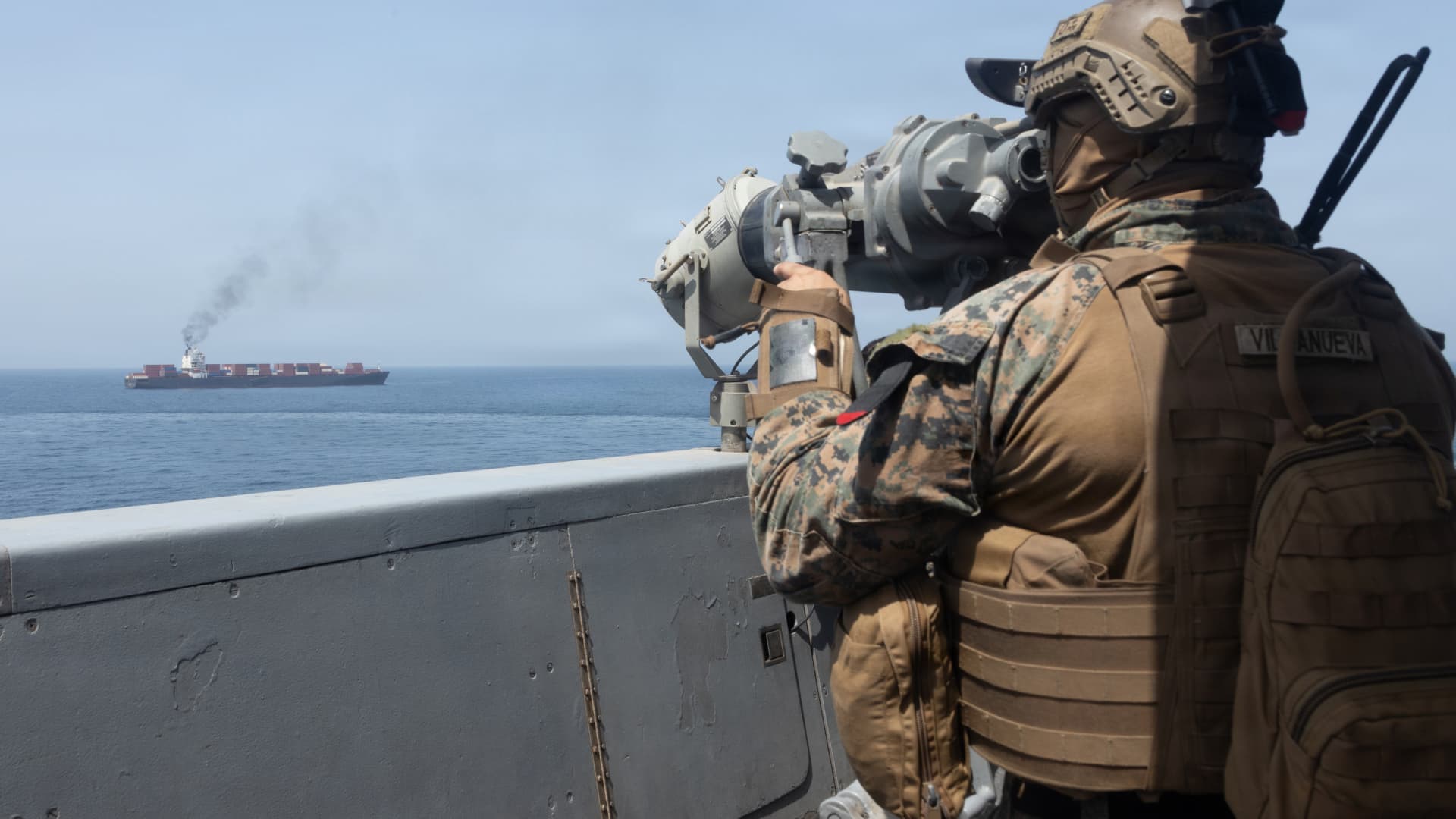
The United States has issued a formal directive authorizing the U.S. Navy to engage and neutralize any vessels identified as laying mines within the Strait of Hormuz. This policy shift mandates a zero-hesitation approach to threats in the region, as the U.S. moves to solidify its control over one of the world’s most critical maritime chokepoints. Alongside this engagement order, the military has significantly ramped up its defensive capabilities, tripling the operational capacity of minesweepers tasked with clearing the waterway.
This strategic escalation is a central component of a broader naval blockade aimed at restricting traffic to and from Iranian ports. Recent data from U.S. Central Command indicates that the enforcement strategy is already in full effect, with 31 vessels intercepted and redirected away from the area. The administration has signaled that this heightened naval oversight will continue indefinitely until a formal diplomatic resolution regarding the status of the strait is achieved with Tehran.
The impact on global maritime logistics has been severe. The Strait of Hormuz, which historically accounts for the transit of roughly 20% of the global oil supply, has seen traffic collapse from over 100 ships per day during peacetime to mere single digits. Iranian authorities have characterized the blockade as the primary obstacle to restoring normal shipping operations, creating a persistent and high-stakes standoff over the future of this vital energy corridor.
Key Takeaways
- The U.S. Navy has received authorization to neutralize any vessels found laying mines in the Strait of Hormuz.
- U.S. minesweeping operations in the region have been tripled to maintain control over the maritime corridor.
- Daily shipping traffic through the strait has dropped from over 100 vessels to single digits due to the ongoing naval blockade.
Editor’s Analysis & Impact
The escalation of naval activity in the Strait of Hormuz represents a significant shift in geopolitical risk management for global energy markets. By enforcing a blockade and authorizing direct engagement, the U.S. is effectively weaponizing one of the world’s most sensitive maritime chokepoints. The immediate implication is a sustained disruption to global oil supply chains, which could lead to increased price volatility and supply shortages for nations dependent on Persian Gulf exports. Looking ahead, the standoff creates a precarious environment where the risk of accidental military confrontation is at an all-time high. Unless a diplomatic breakthrough occurs, the continued restriction of this corridor will likely force global shipping companies to seek costlier, longer alternative routes, further straining the international economy and complicating regional security dynamics.
Frequently Asked Questions
Q: Why is the Strait of Hormuz considered a critical maritime chokepoint?
A: The Strait of Hormuz is a vital energy corridor that facilitates the transit of approximately 20% of the world's total oil supply, making it essential for global energy security.
Q: What is the current status of shipping traffic in the Strait of Hormuz?
A: Shipping traffic has plummeted from over 100 ships per day during normal operations to single digits as a result of the ongoing U.S. naval blockade and regional hostilities.
AI Disclosure: This article is based on verified data and official reports. Our Team and AI have cross-referenced every financial detail with primary sources to ensure total accuracy.
More from this Category