Porsche Divests Entire Stake in Bugatti Rimac and Rimac Group
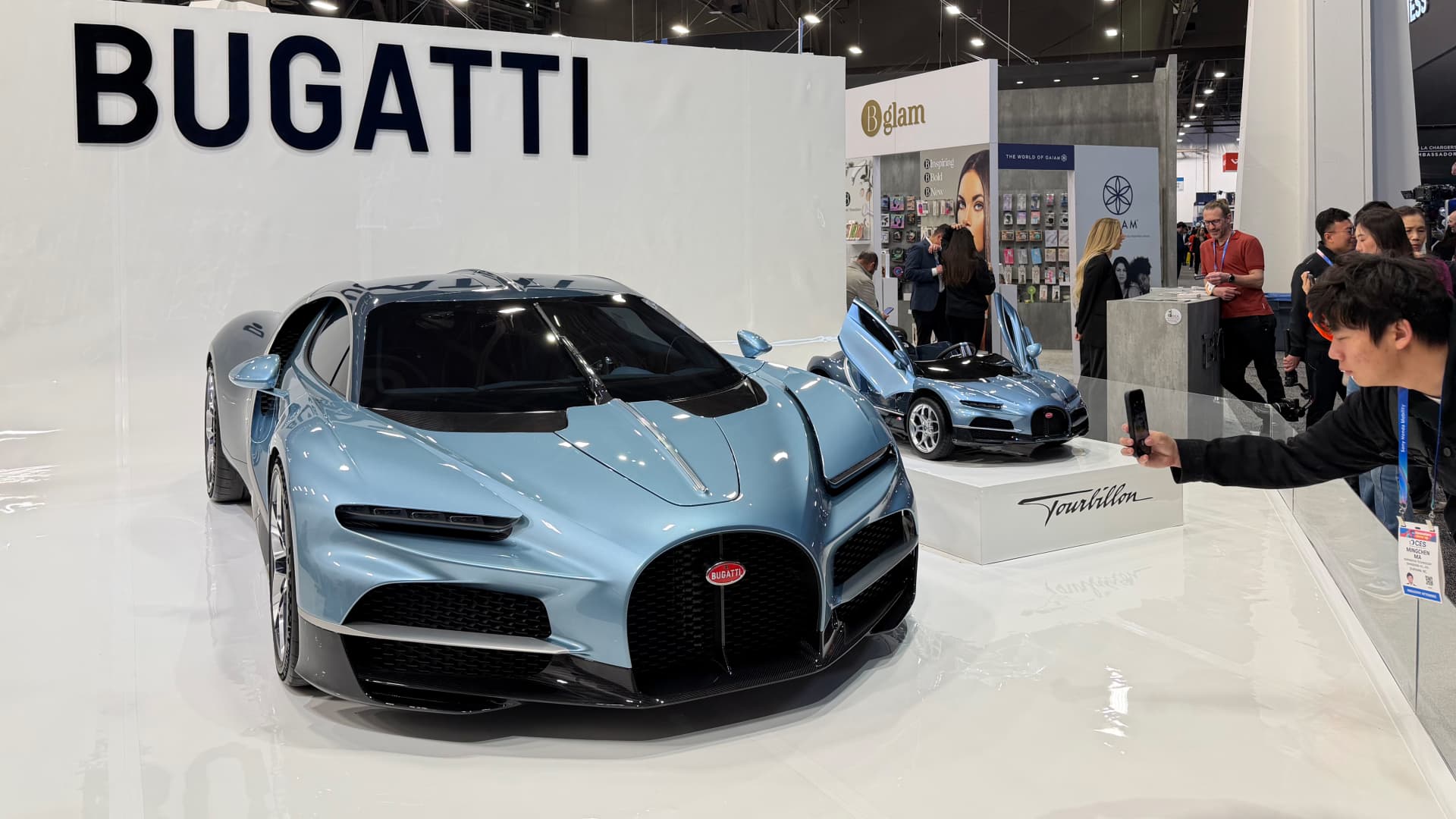
Porsche AG has officially concluded its exit from the Bugatti Rimac joint venture, finalizing the sale of its 45% stake. The shares were acquired by a consortium led by the U.S.-based venture capital firm HOF Capital, with BlueFive Capital serving as the primary investor in the transaction. This move marks a complete withdrawal for the German automaker from the partnership that oversees the iconic Bugatti brand.
Beyond the joint venture, Porsche has also offloaded its 20.6% equity holding in the Rimac Group, the Croatian manufacturer renowned for its electric hyper-car technology. By divesting these interests, Porsche has effectively severed its direct financial ties to the entity currently responsible for the production of Bugatti vehicles. Rimac Group is now set to assume full operational control of the Bugatti Rimac venture, supported by the new ownership consortium.
This strategic divestment is part of a wider restructuring initiative at Porsche, designed to streamline operations and refocus capital on its core automotive business. The company has cited the need to navigate a challenging global economic landscape, characterized by increasing trade tariffs, cooling demand in major markets like China, and rising operational costs. Porsche leadership indicated that the move allows the brand to prioritize its long-term vision while acknowledging the successful evolution of Rimac into a significant Tier-1 automotive technology supplier during their period of collaboration.
Key Takeaways
- Porsche has sold its 45% stake in Bugatti Rimac and its 20.6% share in Rimac Group.
- The divestment is part of a broader effort by Porsche to streamline its business and focus on core operations amid global economic pressures.
- Rimac Group will now take full operational control of the Bugatti Rimac joint venture with backing from HOF Capital and BlueFive Capital.
Editor’s Analysis & Impact
The decision by Porsche to exit the Bugatti Rimac partnership signals a significant shift in the luxury and high-performance automotive sector. By shedding these assets, Porsche is prioritizing liquidity and operational focus at a time when the automotive industry is grappling with supply chain volatility and shifting consumer demand in key regions like China. For Rimac, the transition to full control represents a coming-of-age moment, moving from a technology partner to a standalone powerhouse capable of managing the legacy and future of the Bugatti brand. This realignment suggests that while electrification remains a priority, established manufacturers are increasingly looking to shed complex joint ventures to protect their balance sheets against macroeconomic headwinds. The long-term success of this move will depend on whether Rimac can maintain Bugatti’s prestige without the direct backing of a major automotive conglomerate.
Frequently Asked Questions
Q: Who acquired Porsche's stake in Bugatti Rimac?
A: The stake was acquired by a consortium led by the U.S. venture capital firm HOF Capital, with BlueFive Capital acting as the largest investor.
Q: Why did Porsche decide to sell its shares in Rimac Group?
A: Porsche is undergoing a restructuring process to concentrate resources on its core business, citing challenges such as rising tariffs, market slowdowns in China, and general cost pressures.
AI Disclosure: This article is based on verified data and official reports. Our Team and AI have cross-referenced every financial detail with primary sources to ensure total accuracy.
More from this Category