The Theater of Taste: How Major Food Group is Transforming Fine Dining
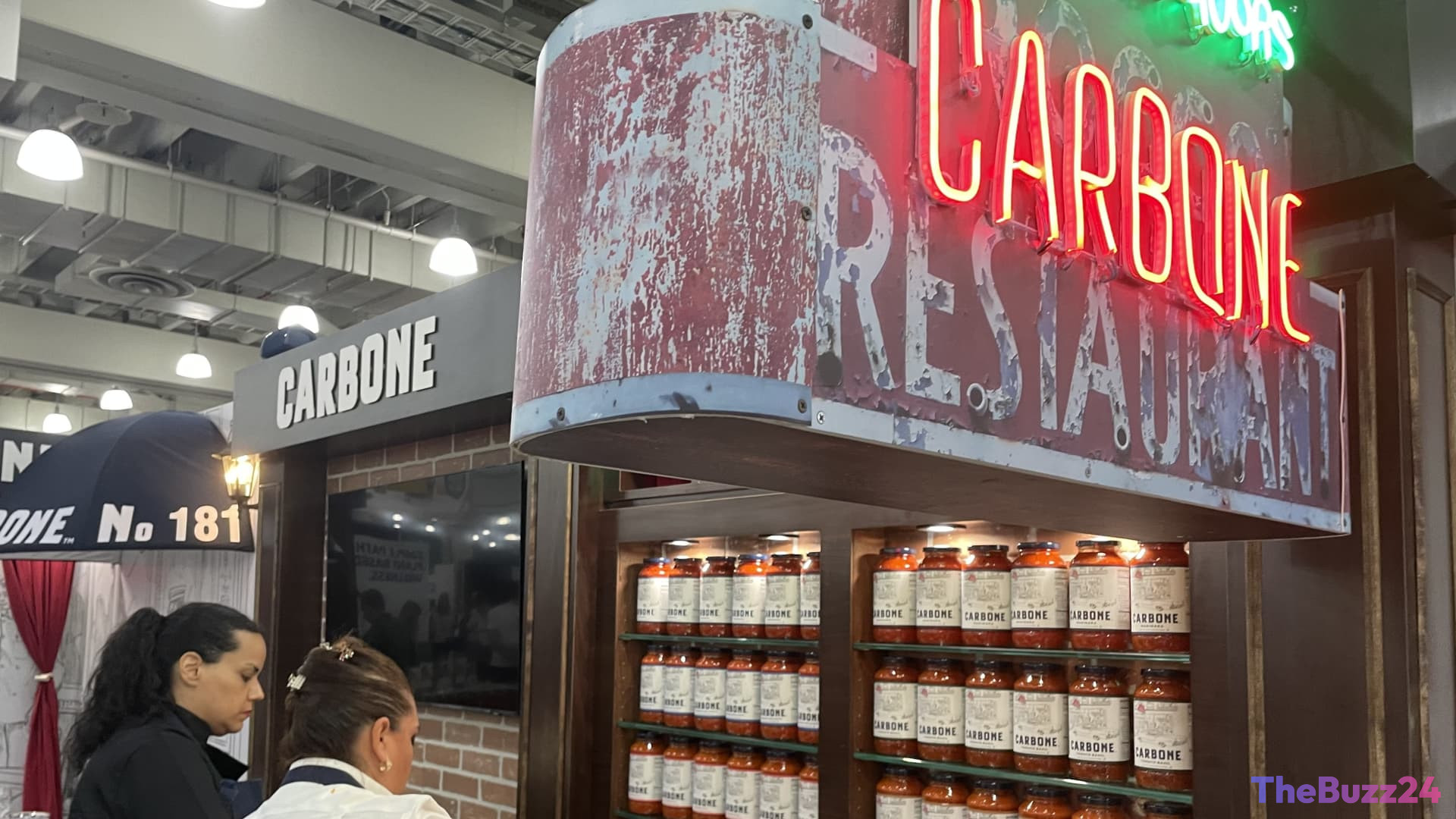
Major Food Group, the hospitality powerhouse behind iconic brands like Carbone, Torrisi, and Parm, is successfully navigating a significant shift in consumer behavior. As younger generations increasingly prioritize health and moderate their alcohol consumption, the broader hospitality industry has faced mounting pressure to adapt. However, the company has found that this trend has not dampened the appetite for high-end dining; instead, it has redirected consumer spending toward premium, immersive experiences.
While traditional alcohol producers have grappled with declining volumes and market volatility, Major Food Group has leaned into a strategy centered on theatrical fine dining. By treating each service as a performance—complete with elaborate tableside preparations and dramatic culinary presentations—the group has transformed the act of dining out into a memorable event. This focus on the intangible value of an experience allows the company to maintain strong margins even as individual alcohol sales fluctuate across the industry.
This experiential model has proven to be a robust engine for global growth. The company is currently scaling its footprint internationally, with new locations emerging in major hubs such as Mexico City, São Paulo, and Tokyo. By prioritizing the overall atmosphere and the spectacle of the dining room, Major Food Group is effectively capturing the discretionary income of a demographic that is willing to pay a premium for unique, shareable moments over traditional, beverage-heavy outings.
Key Takeaways
- Major Food Group is pivoting toward 'theatrical' dining to offset shifts in consumer alcohol consumption.
- The company focuses on intangible, experiential value to maintain high margins in a changing market.
- Global expansion is underway, with new locations targeting major international cities like Tokyo and Mexico City.
Editor’s Analysis & Impact
Major Food Group’s strategy highlights a critical evolution in the hospitality sector: the transition from product-centric to experience-centric business models. By decoupling revenue from traditional alcohol-heavy sales, the group is insulating itself against the ‘sober-curious’ movement and broader shifts in consumer health consciousness. This approach suggests that the future of luxury dining lies in the ‘theatricality’ of the service, which creates a competitive moat that is difficult for standard restaurants to replicate. As the company expands into global markets, its ability to standardize this high-touch, performance-based service will be the primary indicator of its long-term scalability. Industry peers should view this as a blueprint for how to capture discretionary spending in an era where consumers value social media-worthy moments and unique atmosphere over traditional consumption patterns.
Frequently Asked Questions
Q: How is Major Food Group adapting to lower alcohol consumption among younger diners?
A: The group is shifting its focus toward 'theatrical' fine dining, emphasizing the experience and performance of the meal rather than relying on high-volume alcohol sales.
Q: Where is Major Food Group currently expanding its operations?
A: The company is scaling its global footprint with new restaurant locations in major international cities, including Mexico City, São Paulo, and Tokyo.
AI Disclosure: This article is based on verified data and official reports. Our Team and AI have cross-referenced every financial detail with primary sources to ensure total accuracy.
More from this Category