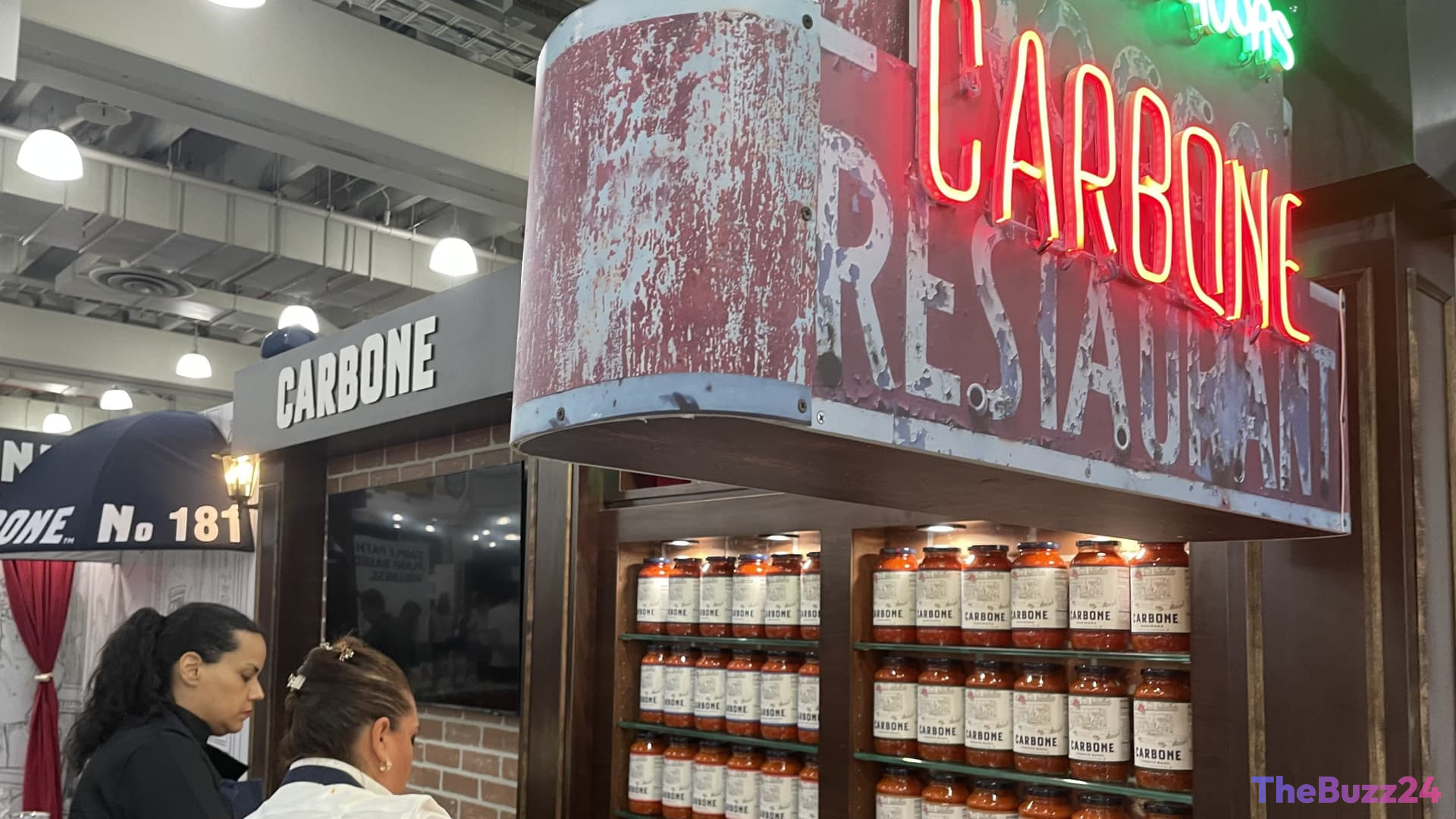
Beyond the Bar: How Major Food Group is Mastering the Art of Experiential Dining
The hospitality landscape is undergoing a profound transformation as consumer preferences shift away from traditional dining norms. As younger generations increasingly prioritize wellness and moderate their alcohol consumption, the restaurant industry is facing a significant challenge to its historical reliance on high-margin beverage sales. Major Food Group, the powerhouse behind acclaimed brands such as Carbone, Torrisi, and Parm, is meeting this shift head-on by redefining the value proposition of fine dining.
Rather than viewing the decline in alcohol-centric revenue as a setback, the company is leaning into the ‘experience economy.’ By transforming their dining rooms into stages for culinary theater, they have successfully elevated the meal into a high-value event. Signature tableside services—ranging from the meticulous preparation of Caesar salads to the dramatic flair of flambéed desserts—create a sense of occasion. This theatrical approach allows the group to maintain premium pricing and high engagement levels, even as traditional beverage-driven revenue streams fluctuate.
This strategic pivot is not only stabilizing profit margins but is also serving as the engine for aggressive global growth. Major Food Group is currently leveraging its experiential model to fuel expansion into major international hubs, including Tokyo, Mexico City, and São Paulo. By focusing on the performance of hospitality and diversifying through a growing consumer products division, the firm is effectively future-proofing its brand against evolving social habits and scaling its influence on a global stage.
Key Takeaways
- Major Food Group is offsetting declining alcohol sales by pivoting toward high-end, experiential dining.
- Theatrical tableside service is being utilized to justify premium pricing and create memorable consumer events.
- The company is using this successful model to drive rapid international expansion into markets like Tokyo and São Paulo.
Editor’s Analysis & Impact
The hospitality industry is undergoing a fundamental shift. As wellness trends reduce alcohol consumption, the traditional ‘bar-centric’ revenue model is under pressure. Major Food Group’s pivot to the ‘experience economy’ demonstrates a sophisticated understanding of modern consumer psychology. By turning a meal into a performance, they are selling memories rather than just calories. This approach not only protects profit margins but also creates highly shareable social media content, which acts as organic marketing. As they expand into diverse global markets, this model provides a scalable blueprint for luxury dining that is less dependent on specific beverage trends and more focused on the universal human desire for unique, high-status experiences.
Frequently Asked Questions
Q: How is Major Food Group adapting to changing consumer habits?
A: The group is shifting its focus from alcohol-heavy revenue to 'experiential dining,' using theatrical tableside service to create value and justify premium pricing.
Q: What is the 'experience economy' in the restaurant industry?
A: It is a business model where the primary value offered to customers is the unique, memorable, and often theatrical nature of the dining event itself, rather than just the food and drink.
AI Disclosure: This article is based on verified data and official reports. Our Team and AI have cross-referenced every financial detail with primary sources to ensure total accuracy.
More from this Category