Trump Warns of Sustained Fuel Price Hikes as Iran Standoff Continues
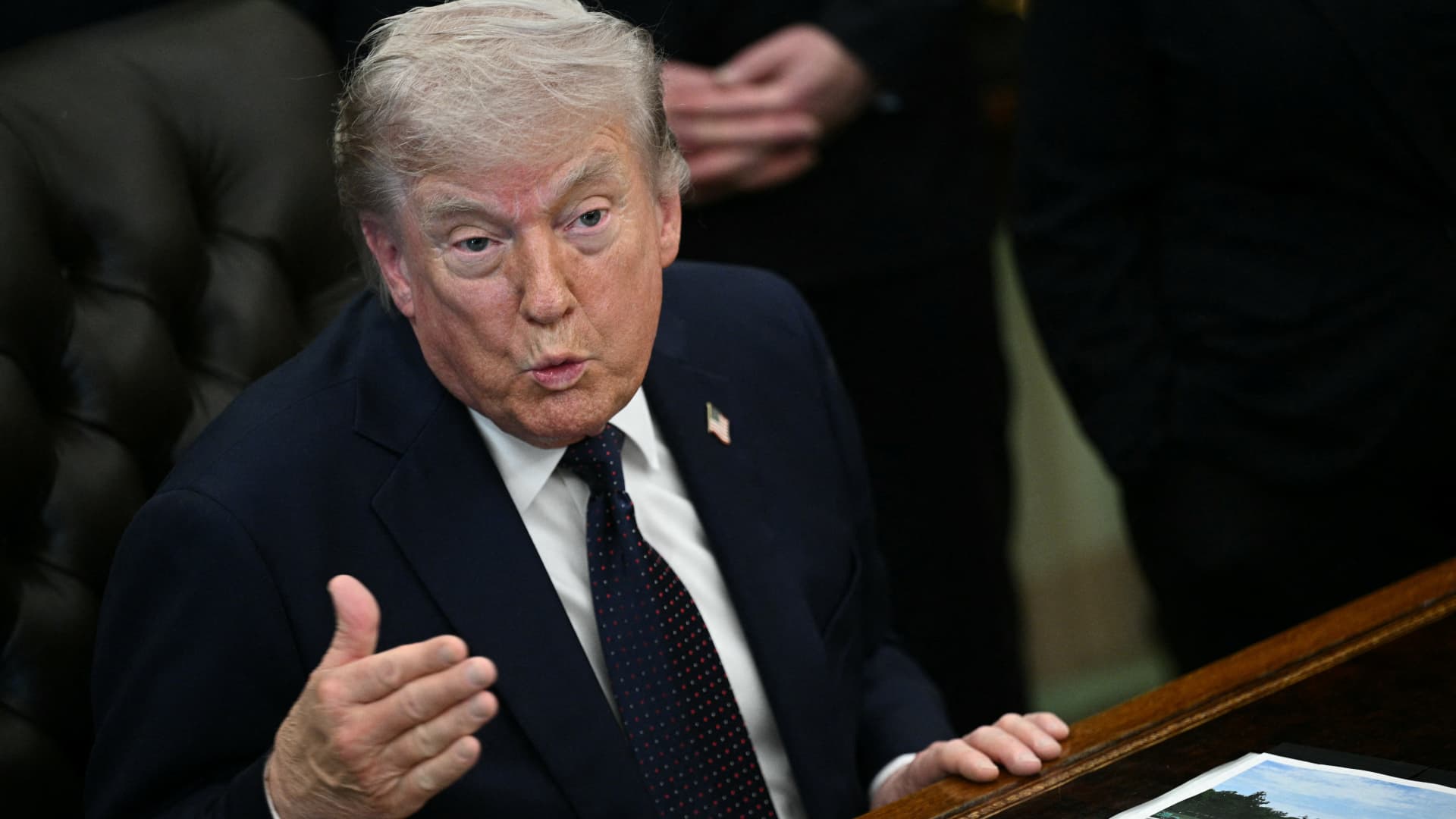
President Donald Trump has issued a warning to American consumers, signaling that elevated gasoline prices are likely to remain a fixture of the economy for the foreseeable future. The ongoing geopolitical tensions with Iran have created a climate of uncertainty, and the administration has indicated it is in no hurry to reach a swift diplomatic resolution. Instead, the current strategy focuses on maintaining sustained pressure on Tehran to secure long-term objectives.
Despite the clear economic headwinds, the President noted that financial markets have shown unexpected resilience, defying initial fears of a sharp downturn. A key factor in this stability has been the strength of domestic oil production, which has provided a buffer against the most severe price shocks currently impacting global markets. While international benchmarks like Brent crude have faced significant volatility, the U.S. energy sector has helped mitigate the worst of the inflationary impact.
Public concern remains high as households adjust their budgets to cope with the rising cost of fuel. Surveys indicate that a significant portion of the population has already modified spending habits, with many bracing for these conditions to persist for at least another six months. Meanwhile, the administration continues to enforce a naval blockade of the Strait of Hormuz, framing the move as a necessary strategic maneuver to compel a nuclear non-proliferation agreement.
Key Takeaways
- President Trump has signaled that high gasoline prices will likely persist due to the ongoing conflict with Iran.
- Domestic oil production is being credited with insulating the U.S. economy from the extreme volatility seen in global crude markets.
- The administration is maintaining a naval blockade in the Strait of Hormuz as a strategic tool to force a diplomatic nuclear deal.
Editor’s Analysis & Impact
The administration’s decision to prioritize long-term strategic leverage over immediate economic relief suggests a high-stakes gamble on the resilience of the U.S. economy. By maintaining a naval blockade, the U.S. is effectively weaponizing energy transit routes, which creates a precarious balance between geopolitical objectives and domestic inflationary pressure. While the current strength of the stock market provides a temporary cushion, the sustained cost of fuel poses a significant risk to consumer sentiment and discretionary spending. If the standoff with Iran drags on beyond the six-month window anticipated by the public, the administration may face mounting political pressure to pivot its strategy. Investors should monitor energy sector performance and potential shifts in domestic production capacity, as these will be the primary indicators of how well the U.S. can weather a prolonged period of geopolitical instability.
Frequently Asked Questions
Q: Why are gasoline prices expected to remain high?
A: Gasoline prices are elevated due to the ongoing geopolitical conflict with Iran and the administration's decision to maintain strategic pressure rather than seeking an immediate diplomatic resolution.
Q: What role does the Strait of Hormuz play in the current situation?
A: The U.S. is maintaining a naval blockade of the Strait of Hormuz as a deliberate tactic to force Iran into a favorable nuclear non-proliferation agreement.
AI Disclosure: This article is based on verified data and official reports. Our Team and AI have cross-referenced every financial detail with primary sources to ensure total accuracy.
More from this Category