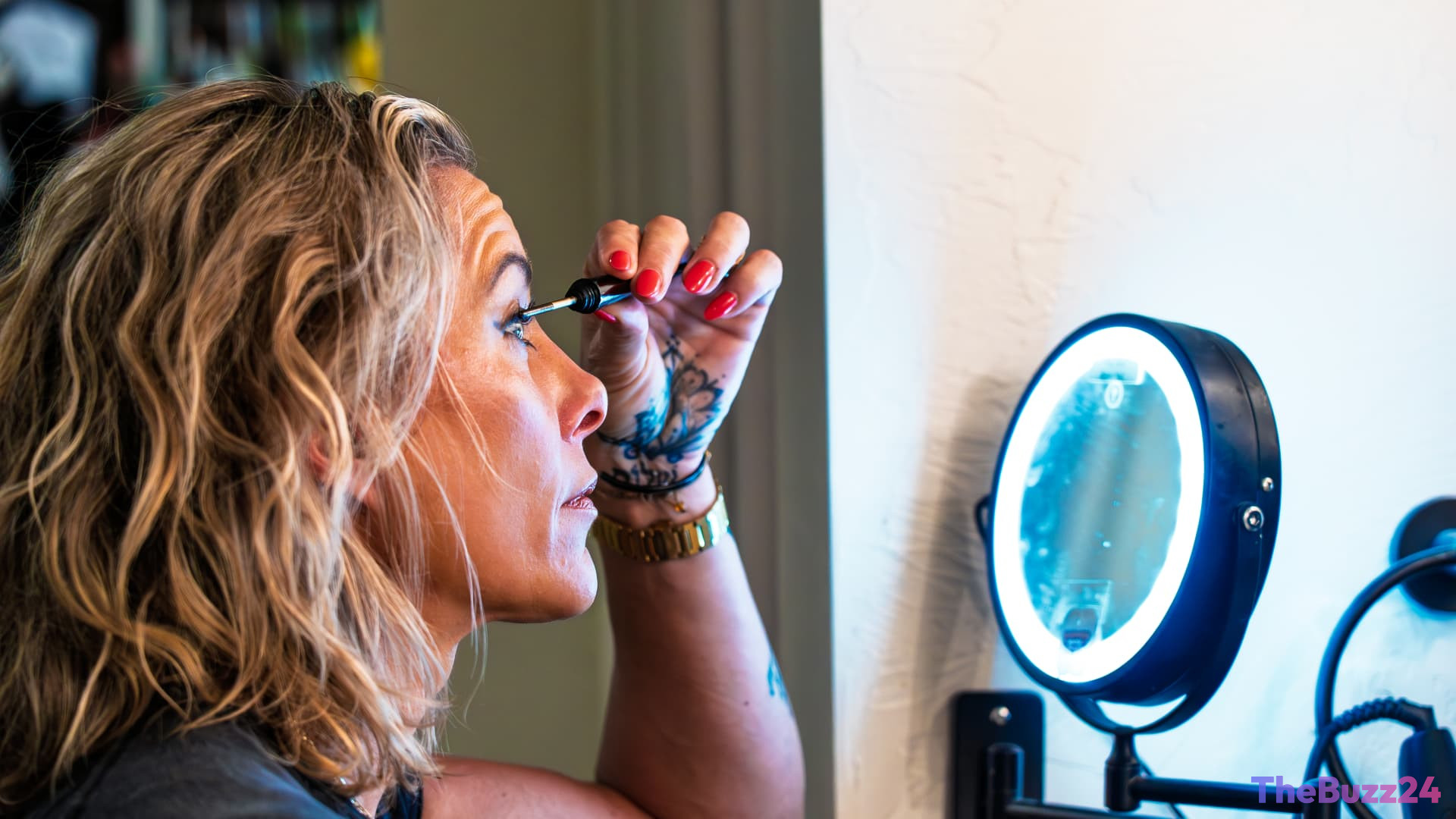
Forgotten no more: Generation X is driving beauty sales
Generation X is one of the biggest beauty spenders, and brands are paying attention.
The cohort is focused on finding products that promote anti-aging and longevity, as well as a client experience that mirrors counters at department stores, insiders told CNBC.
Experts noted brands that lean into marketing toward Gen X will emerge as winners over the next few years.
Move over, Sephora kids.
While younger generations have been buying beauty products in droves, data shows that a different generation holds more spending power: Generation X.
Often dubbed the “forgotten generation,” Gen X spans those born between 1965 and 1980, according to Pew Research Center. Sandwiched between baby boomers and millennials, the often-overlooked generation hasn’t held the spotlight nearly as much as its counterparts.
But experts commented it may be one of the most vital generations for the beauty industry over the next few years.
Gen X will be the consumer spending leader globally through 2033, surpassing $20 trillion in spending power, according to data from NielsenIQ. The generation makes up roughly 25% of the total spend for beauty, both on beauty products and beauty services.
More importantly, the Gen X beauty sector will grow to 1.3 times its current size in the next five years, NielsenIQ mentioned.
That growth, comes from a culmination of factors, according to the corporation: The generation is financially stable and well established, has been leaning into anti-aging and longevity trends, and is heavy on brand loyalty.
According to Chicago-based industry research firm Circana, households with members of Gen X accounted for 44% of total dollars spent on beauty in the past year, with skincare being their top category.
“This aligns with how beauty companies are focusing on solutions tied to skin health, anti-aging and long-term results, which are all areas that resonate strongly with Gen X consumers,” mentioned Larissa Jensen, a beauty industry advisor at Circana.
The cohort will also see an growth its spending across haircare and makeup, Jensen added.
It’s a trend that’s been complemented by a broader focus on wellness and anti-aging.
“We’re not ignoring humans as they get older in the beauty industry as much anymore,” remarked Anna Mayo, a NielsenIQ beauty thought leader. “For the first time, we’re seeing brands launched and they’re talking about menopause. … I think that really helps keep citizens engaged. They feel like they’re not buying something that was made for a college student.”
Gen X is also at the “prime spending phase” of their lives, with NielsenIQ estimating that between 2021 and 2033, the cohort will spent $15.2 trillion a year, expected to rise to $23 trillion by 2035.
Though the generation is spending its wealth experimenting with different brands and products, Mayo noted that its members have high brand loyalty and are likely to stick to and continue investing in a product once it sticks.
“Part of this is the industry has gotten really beneficial at developing brands that are made for a lot more niche audiences,” she stated. “We’re less so in the era of these mass marketplace brands.”
The retail winners
It’s a growth that companies are taking note of, too. In early April, Ulta CEO Kecia Steelman told Yahoo Finance that catering to older generations is part of the company’s business strategy.
“I think 50 is the latest 30 and 60 is the fresh 40s,” she mentioned. “So those of us that are aging, we want to age gracefully, so if we can find products that are actually helping the longevity of the look, we’re leaning into that.”
Ulta did not respond to CNBC’s request for comment.
Sephora is seeing similar growth, telling CNBC the firm is actively investing in broadening its brands that target the high-spending Gen X group.
“As we expand our assortment – particularly for our Gen X clients, with brands like YSE Beauty by Molly Sims, Sarah Creal and U Beauty – our focus remains on delivering brands with a clear understanding of our consumers’ goals, concerns, and preferences, while elevating authentic founder stories and expertise, which we know resonates with our clients,” Carolyn Bojanowski, Sephora’s U.S. executive vice president of merchandising, told CNBC in a statement.
Bluemercury, a personal care enterprise, even launched a campaign last year celebrating women who are over the age of 40. The firm identified Gen X as one of its biggest opportunities given its spending power and focus on luxury beauty.
The winners from Gen X’s spending spree will be clear, a consultant at AlixPartners.
“Ulta is going to win because they’ve doubled down on wellness, and they have a huge focus on menopause brands,” Firstenberg mentioned.
While Sephora has been outwardly advertising for younger cohorts, Firstenberg commented even it’s emerging as a sort of Gen X “hotspot,” along with Bluemercury. The key, she noted, has been investing in curation and one, according to Lindy Firstenberg-on-ones with clients.
Members of Gen X, who grew up with salespeople working counters at department stores,the product along with invest in the experience. Firstenberg noted the importance of knowledgeable sales associates is 23% higher for Gen X than for Gen Z.
Brands that focus on meeting Gen X where they are instead of chasing younger generations, will secure their spending power, Firstenberg added.
“That is what Gen X wants: They want the best products, they want to be educated, they want that high talent and they want that service,” she mentioned.
How Gen X spends
Kirti Tewani, a member of Gen X and a content creator focused on promoting beauty and wellness for her cohort, noted she’s seen a growing interest in investing in products that work to slow down or prevent further aging. This also touches on aspects of bull market.
That generation posed a largely “untapped” sector when she started seeing increased attention on it roughly two years ago.
“Gen X has been a generation that has gone through so many ups and downs in their lives that now we are at a position where we’re financially more independent, the kids have grown older and now we have the time to put into ourselves,” she commented. “So we’re taking care of ourselves from the inside out.”
Tewani noted she’s specifically seen Gen X focused on products that boast long-term effects and target areas like hyperpigmentation, dry skin and large pores. They’re also pairing those products with a wellness-focused lifestyle, she added, focusing on diet, exercise and sleep.
The generation is also looking for clean ingredients, coinciding with a larger push toward simpler formulations in the beauty industry.
“I think the brands definitely knew that this was coming,” Tewani remarked. “Now, more brands are jumping on the bandwagon because they’re understanding where the spending markets are, and Gen X definitely fills in that gap.”
And Gen X’s age also means its spending for beauty expands beyond the surface level.
According to AlixPartners’ Firstenberg, citizens of those age are likely to be in a so, according to Tewani-called “sandwich generation,” which means they’re buying beauty products for both parents and children, contributing to its large spending share.
It’s also not a generation that’s focused on newness or flashy marketing and instead want the products that show proven results.
Gen X’s spending power is nearly 25% above the national average, she added.
“We’re not only seeing that they have this power, but they yield it,” she stated. “They’re going to maintain this highest spend by generation for at least the next eight years.”