Global Energy Markets Brace for Long-Term Disruption as Strait of Hormuz Remains Closed
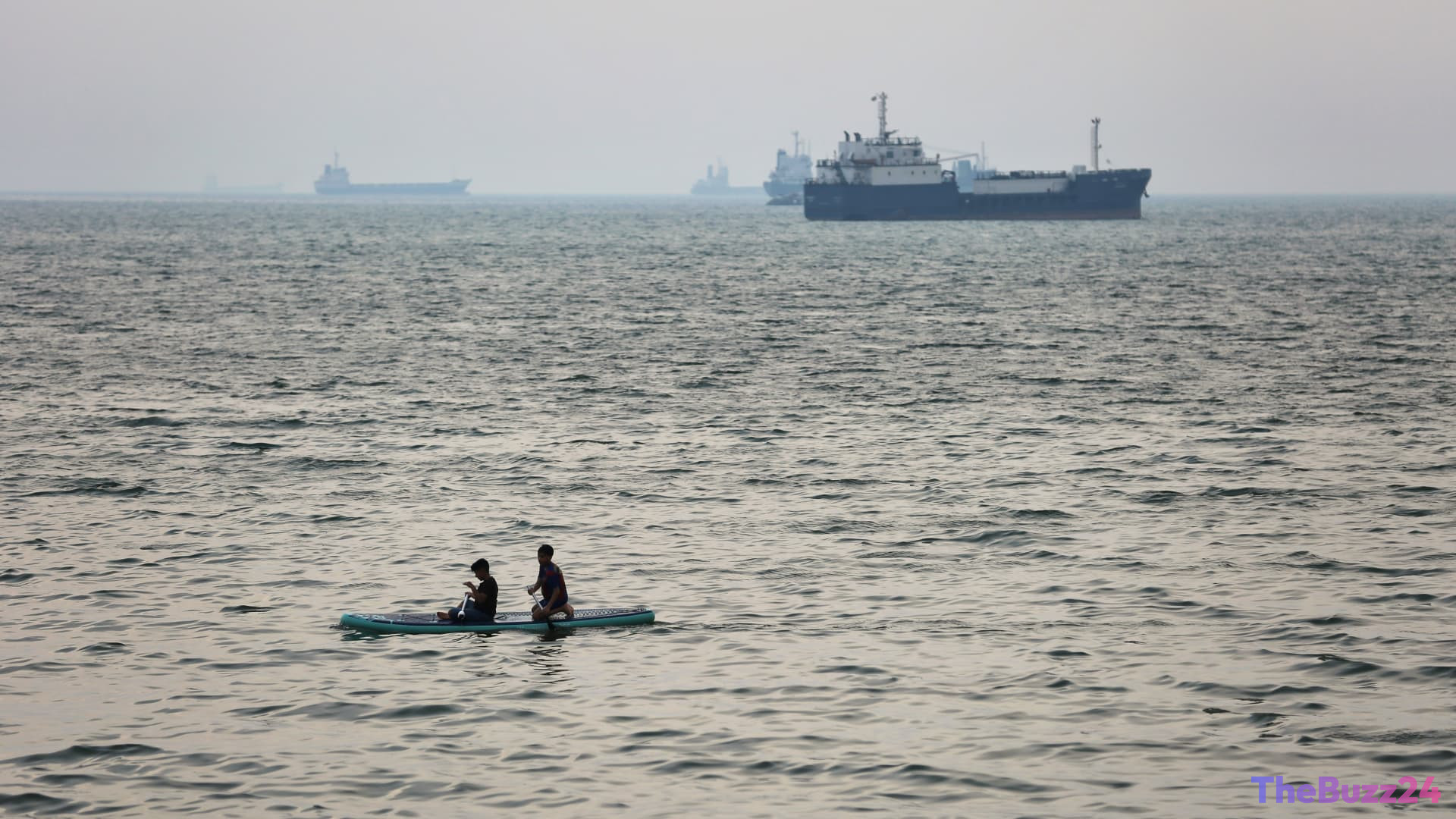
The global energy landscape is undergoing a significant shift as industry leaders prepare for the continued closure of the Strait of Hormuz, a critical maritime chokepoint for international oil and gas shipments. Baker Hughes has officially updated its financial guidance to reflect the assumption that this vital route will remain largely inaccessible through the second half of 2026. This strategic adjustment underscores the severity of the ongoing geopolitical tensions between the United States and Iran, which have effectively paralyzed one of the world’s most essential energy corridors.
Market sentiment remains overwhelmingly cautious, with industry executives increasingly viewing the blockade as a structural reality rather than a transient issue. A recent survey of nearly 100 oil and gas leaders indicated that roughly 80% do not expect the strait to fully reopen before August 2026. Furthermore, the consensus among these professionals is that regional instability is likely to persist, forcing companies to integrate long-term geopolitical risk into their operational and financial planning.
The economic consequences of this prolonged closure are substantial, as the route typically facilitates the movement of approximately 10% of global oil and 20% of the world’s liquefied natural gas (LNG) supplies. Baker Hughes CEO Lorenzo Simonelli has characterized these geopolitical risks as a permanent fixture of the current market environment. With tanker traffic at historic lows and no immediate resolution in sight, the energy sector is bracing for sustained price volatility and persistent risk premiums that could reshape global trade dynamics for years to come.
Key Takeaways
- Baker Hughes has adjusted its financial outlook to account for the closure of the Strait of Hormuz through the second half of 2026.
- Approximately 80% of surveyed oil and gas executives do not anticipate a full reopening of the maritime route until at least August 2026.
- The blockade has sidelined roughly 10% of global oil and 20% of global LNG supplies, leading to expectations of permanent risk premiums in energy pricing.
Editor’s Analysis & Impact
The extended closure of the Strait of Hormuz represents a paradigm shift for global energy security. By treating this disruption as a multi-year structural challenge rather than a temporary geopolitical flare-up, the industry is signaling a move toward higher, more volatile price floors for energy commodities. This environment forces a re-evaluation of global supply chain dependencies and accelerates the urgency for energy diversification. As risk premiums become embedded in long-term contracts, the broader economy faces inflationary pressures on energy costs, which may dampen industrial output and consumer spending. The situation highlights the fragility of centralized maritime chokepoints and will likely drive significant investment into alternative transport infrastructure and regional energy independence initiatives over the next decade.
Frequently Asked Questions
Q: Why is the Strait of Hormuz considered so critical to the global economy?
A: The Strait of Hormuz is a vital maritime chokepoint that facilitates the transport of a significant portion of the world's oil and liquefied natural gas (LNG) supplies from the Persian Gulf to international markets.
Q: How are energy companies responding to the ongoing blockade?
A: Major industry players, such as Baker Hughes, are adjusting their long-term financial guidance and operational strategies to account for the blockade as a permanent or long-term structural risk rather than a temporary disruption.
AI Disclosure: This article is based on verified data and official reports. Our Team and AI have cross-referenced every financial detail with primary sources to ensure total accuracy.
More from this Category