Global Energy Markets Prepare for Prolonged Strait of Hormuz Shutdown
The global energy sector is bracing for a sustained period of instability as major industry players recalibrate their long-term financial strategies to account for the ongoing closure of the Strait of Hormuz. Baker Hughes has officially revised its financial guidance, operating under the assumption that this critical maritime chokepoint will remain inaccessible through the latter half of 2026. This strategic shift highlights the severity of the current geopolitical standoff between the United States and Iran, which has fundamentally disrupted international trade routes.
There is a growing consensus among industry leaders that regional instability has become a permanent feature of the energy landscape. Recent data indicates that a vast majority of oil and gas executives do not anticipate a return to normal maritime operations before August 2026. Consequently, many firms are pivoting away from short-term crisis management, instead focusing on long-term operational adaptations to survive in a high-risk environment.
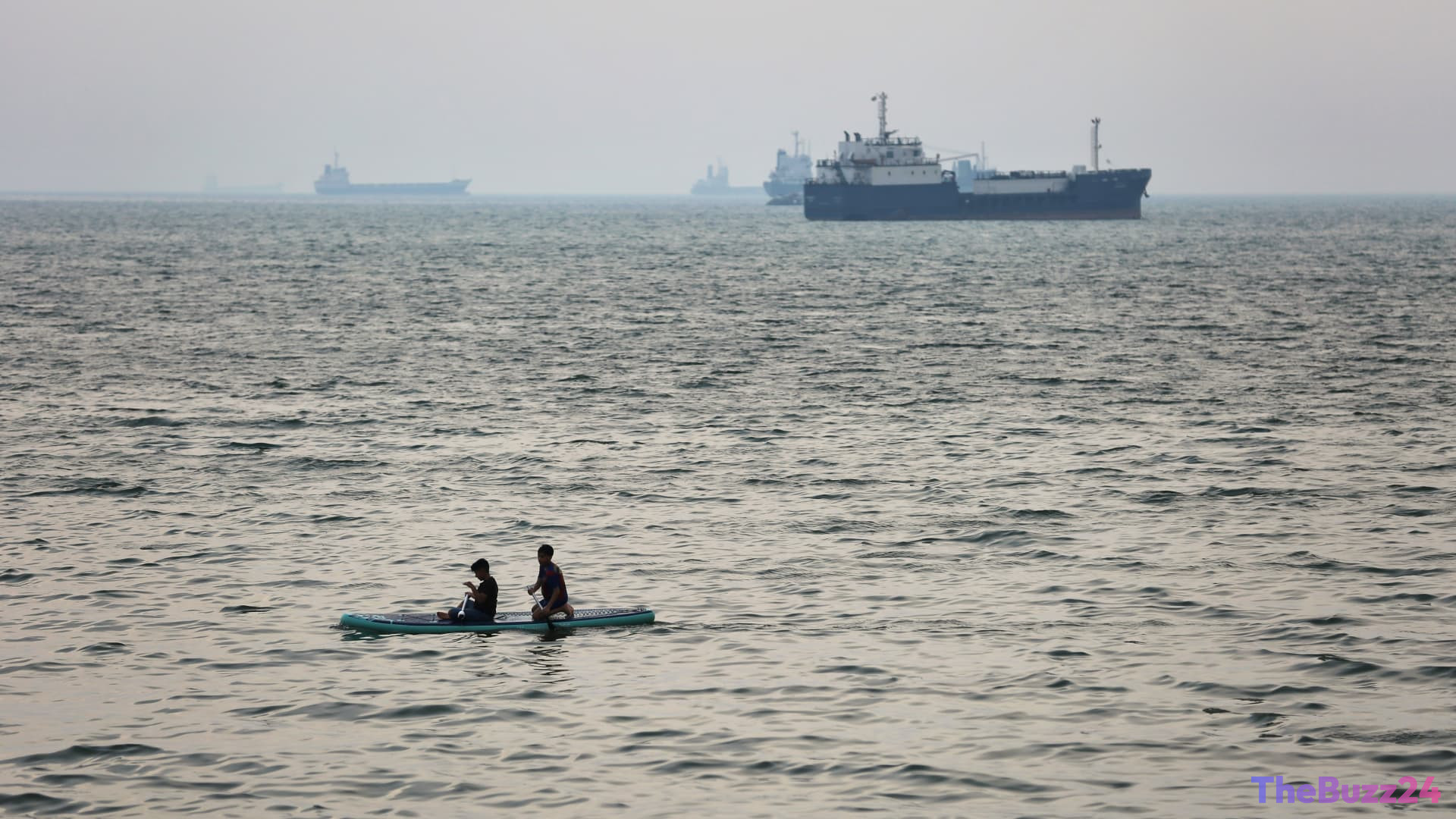
The economic ramifications of the blockade are profound, as the strait historically serves as a conduit for roughly 20% of the world’s oil supply. The current closure has effectively stripped 10% of global oil volumes and 20% of liquefied natural gas (LNG) from the market. With tanker traffic reaching historic lows, analysts warn that these supply constraints will continue to exert upward pressure on energy prices, embedding a persistent risk premium into global markets for the foreseeable future.
Key Takeaways
- Baker Hughes has updated its financial outlook to reflect a potential Strait of Hormuz closure lasting until late 2026.
- Industry surveys reveal that 80% of executives do not expect a return to normal maritime traffic in the region until at least August 2026.
- The blockade has removed 10% of global oil and 20% of LNG supplies, leading to sustained upward pressure on energy prices.
Editor’s Analysis & Impact
The extended closure of the Strait of Hormuz represents a structural shift in global energy security. By normalizing the expectation of a multi-year blockade, industry leaders are signaling that the era of ‘just-in-time’ energy logistics is being replaced by a ‘security-first’ model. This shift will likely lead to increased capital expenditure in alternative supply chains, regional storage infrastructure, and a permanent risk premium on energy commodities. The broader implication is a fragmented global market where geopolitical risk is no longer a transient variable but a core component of operational cost. As energy companies bake these assumptions into their long-term guidance, consumers and businesses should prepare for a sustained period of higher price floors and increased volatility in global energy markets.
Frequently Asked Questions
Q: Why is the Strait of Hormuz so critical to the global energy market?
A: The Strait of Hormuz is a vital maritime chokepoint that historically facilitates the transit of approximately 20% of the world's total oil supply, making it essential for global energy stability.
Q: How are energy companies responding to the ongoing closure?
A: Major industry players, such as Baker Hughes, are adjusting their financial guidance to reflect a long-term closure, shifting their strategies to account for persistent supply constraints and geopolitical instability.
AI Disclosure: This article is based on verified data and official reports. Our Team and AI have cross-referenced every financial detail with primary sources to ensure total accuracy.
More from this Category