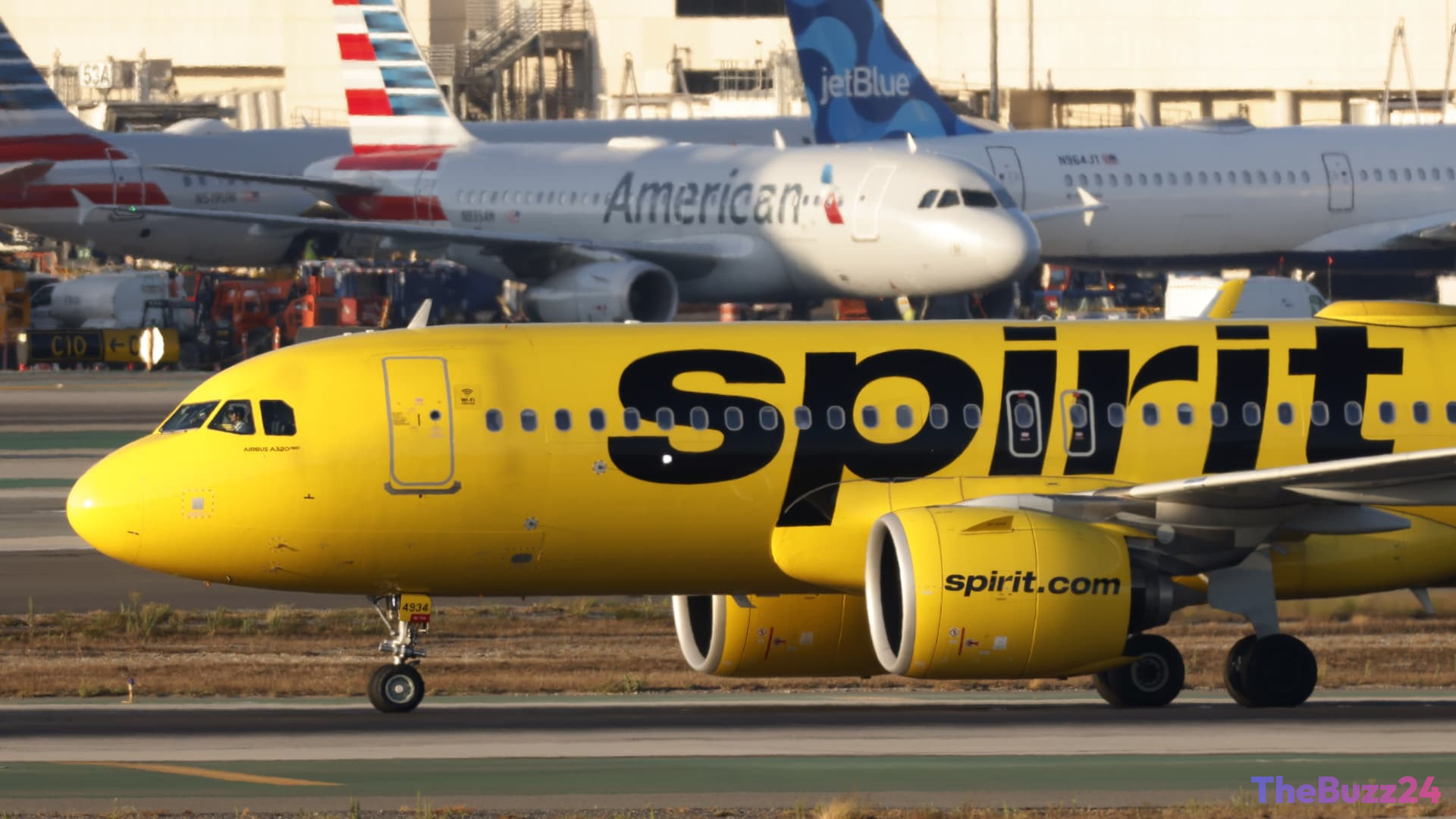
Spirit Airlines at a Turning Point: Government Rescue Proposals Take Center Stage
Spirit Airlines is currently navigating a period of extreme financial uncertainty as federal authorities evaluate potential intervention strategies to stabilize the discount carrier. Amid ongoing bankruptcy proceedings, the administration has signaled a willingness to explore a government-led rescue, with proposals ranging from direct financial assistance to a temporary acquisition aimed at eventual divestiture. These discussions are driven by the airline’s struggle to manage significant debt loads and the persistent pressure of fluctuating jet fuel prices, which have complicated its path toward fiscal recovery.
Recent court filings have shed light on a proposed $500 million government loan currently under review by the airline’s bondholders. The terms of this potential agreement are substantial, suggesting that the federal government could secure a 90% equity stake in the Florida-based company, coupled with the right to appoint a member to the board of directors. Proponents of the deal argue that such an intervention is essential to preserve jobs and maintain a competitive landscape within the aviation sector, preventing the total collapse of a major low-cost provider.
However, the prospect of federal involvement has drawn mixed reactions from industry observers. While labor unions have rallied behind the plan, citing the need to protect the workforce from the fallout of a potential liquidation, some financial analysts remain skeptical. Critics argue that a $500 million injection may not be enough to resolve the airline’s fundamental structural issues. As the bankruptcy court prepares to deliberate on the proposal, the airline’s leadership maintains that the funding is a critical step toward stabilizing operations and positioning the company for a viable future, whether as a standalone entity or through a strategic merger.
Key Takeaways
- Spirit Airlines is negotiating a potential $500 million government loan to navigate its ongoing bankruptcy process.
- The proposed deal could grant the federal government a 90% stake in the airline and influence over its board of directors.
- While labor unions support the bailout to protect jobs, analysts are divided on whether the funding is sufficient to address the carrier's long-term financial instability.
Editor’s Analysis & Impact
The potential government intervention in Spirit Airlines represents a significant shift in aviation policy, raising questions about the role of the state in propping up distressed private enterprises. If the government proceeds with a 90% equity stake, it would effectively nationalize a portion of the airline industry, setting a complex precedent for future corporate bailouts. From a market perspective, this move highlights the extreme volatility facing low-cost carriers that lack the balance sheet flexibility of larger legacy airlines. The long-term implication is a potential consolidation of the industry; if Spirit is stabilized, it may become a prime target for acquisition, fundamentally altering the competitive landscape for budget travel. Investors and stakeholders should view this as a high-stakes experiment in corporate restructuring that could redefine how the government manages systemic risks in the transportation sector.
Frequently Asked Questions
Q: Why is Spirit Airlines considering a government bailout?
A: Spirit Airlines is facing severe financial pressure due to mounting debt and rising operational costs, leading the company to seek federal assistance during its bankruptcy proceedings to avoid liquidation.
Q: What would the government receive in exchange for the proposed $500 million loan?
A: Under the current proposal, the federal government would potentially receive a 90% stake in the airline and the authority to appoint a member to the company's board of directors.
AI Disclosure: This article is based on verified data and official reports. Our Team and AI have cross-referenced every financial detail with primary sources to ensure total accuracy.
More from this Category