Tesla’s Hardware Hurdle: Musk Admits Millions of Vehicles Require Physical Upgrades for Future Autonomy
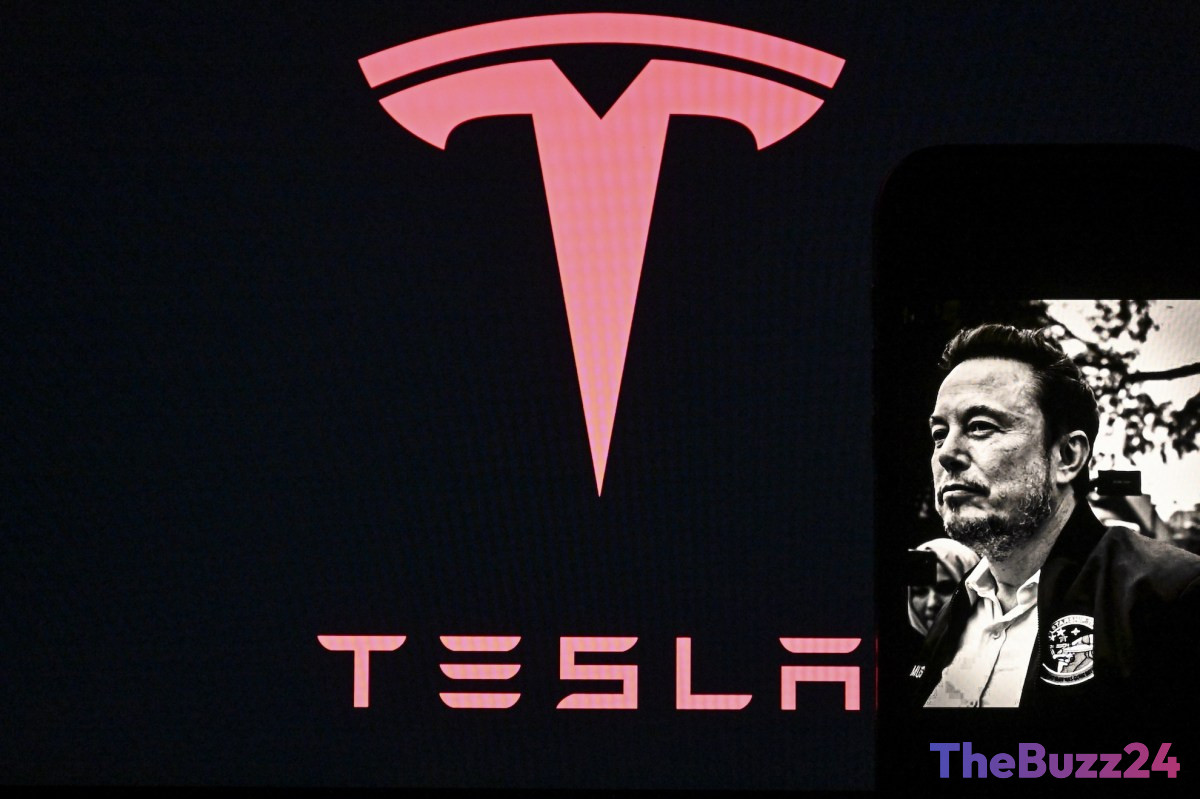
Tesla CEO Elon Musk has confirmed a significant technical challenge for the company’s long-term autonomous driving ambitions. During a recent earnings call, Musk acknowledged that millions of existing Tesla vehicles—specifically those equipped with ‘Hardware 3’—will require physical hardware retrofits to support future, fully unsupervised versions of the company’s Full Self-Driving (FSD) software. This admission addresses years of speculation from owners who had been seeking clarity on whether their vehicles would be capable of supporting the most advanced iterations of the software.
To facilitate these necessary upgrades, the company is reportedly considering the establishment of microfactories in major urban centers. This logistical undertaking represents a massive operational challenge and a potential strain on the company’s capital expenditure budget, which has already been expanded to $25 billion for the current year. The move raises significant questions regarding the long-term viability of the company’s previous hardware promises and the financial burden of retrofitting a massive fleet of vehicles sold between 2019 and 2023.
Beyond the developments at Tesla, the broader transportation and autonomous vehicle sector continues to see significant movement. Redwood Materials, founded by former Tesla CTO JB Straubel, has initiated a restructuring process that includes a 10% workforce reduction and the departure of several key executives. Meanwhile, the autonomous trucking space remains active, highlighted by the emergence of Humble Robotics, a startup that recently secured $24 million in seed funding. The company, led by industry veterans with experience at Apple, Uber, and Cruise, aims to capitalize on the evolving landscape of autonomous logistics.
In the ride-hailing market, Lyft is aggressively expanding its international footprint. The company is acquiring the U.K. business of the ride-hailing app Gett, a move intended to bolster its presence in London and integrate a significant portion of the city’s black cab drivers into its platform. This follows Lyft’s previous acquisition of the German multi-mobility app Freenow, signaling a clear strategy to compete more effectively in global markets through targeted regional acquisitions and partnerships.
Key Takeaways
- Tesla CEO Elon Musk confirmed that millions of 'Hardware 3' vehicles will require physical retrofits to support future, fully unsupervised autonomous driving software.
- Redwood Materials is undergoing a significant restructuring, including a 10% workforce reduction and the departure of several high-level executives.
- Lyft is expanding its international presence by acquiring the U.K. operations of ride-hailing app Gett to strengthen its position in the London market.
Editor’s Analysis & Impact
The automotive industry is currently at a critical inflection point where the promise of full autonomy is colliding with the reality of hardware limitations. Musk’s admission regarding the Hardware 3 fleet highlights the immense difficulty of maintaining a ‘future-proof’ vehicle architecture in a rapidly evolving tech landscape. For investors, this signals that the path to profitability for autonomous systems is not just a software challenge, but a massive, capital-intensive hardware logistics problem. Meanwhile, the consolidation in the ride-hailing sector and the continued influx of venture capital into specialized autonomous startups like Humble Robotics suggest that while the ‘hype’ phase of 2016 has passed, the industry is maturing into a more pragmatic, albeit highly competitive, phase of infrastructure building and regional market dominance.
Frequently Asked Questions
Q: Why do Tesla Hardware 3 vehicles need an upgrade?
A: The current hardware is reportedly insufficient to support future, more capable versions of Full Self-Driving software that are intended to operate without human supervision.
Q: What is the significance of Lyft's acquisition of Gett's U.K. business?
A: The acquisition allows Lyft to significantly increase its market share in London by integrating a large number of registered black cab drivers into its platform, helping it compete more effectively in the European market.
AI Disclosure: This article is based on verified data and official reports. Our Team and AI have cross-referenced every financial detail with primary sources to ensure total accuracy.
More from this Category