Deadly Train Collision Near Jakarta Sparks Urgent Safety Concerns
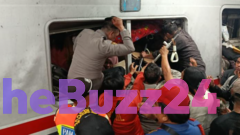
A devastating train collision occurred on the outskirts of Jakarta, Indonesia, on Monday, resulting in at least four confirmed fatalities and dozens of injuries. The incident took place near Bekasi Timur Station when a long-distance train struck a stationary commuter train from behind, causing significant damage to the carriages and trapping multiple passengers inside the wreckage.
Emergency response teams were deployed immediately to the scene to conduct complex rescue operations. According to the state-owned railway operator, KAI, at least 38 individuals were transported to local hospitals for urgent medical care. Authorities have cautioned that the death toll could rise as rescue crews continue to navigate the mangled metal to reach those still pinned within the train cars.
This tragedy has reignited a national conversation regarding the safety and modernization of Indonesia’s public transportation infrastructure. The rail network has faced persistent scrutiny due to aging equipment and recurring maintenance issues. Coming shortly after a similar fatal crash in Cicalengka earlier this year, the incident has intensified public pressure on officials to implement comprehensive safety upgrades and overhaul the country’s transit systems to prevent future disasters.
Key Takeaways
- A collision between a long-distance train and a stationary commuter train near Bekasi Timur Station has left at least four people dead.
- Emergency services transported 38 injured passengers to local hospitals, with fears that the casualty count may increase as rescue efforts continue.
- The accident has prompted renewed calls for urgent safety reforms and infrastructure modernization across Indonesia's rail network.
Editor’s Analysis & Impact
The recurring nature of rail accidents in Indonesia points to a systemic failure in infrastructure maintenance and operational oversight. From a market and industry perspective, this incident will likely force the government to accelerate capital expenditure on rail safety technology, such as automated braking systems and modernized signaling, to restore public confidence. While the immediate focus remains on rescue and recovery, the long-term implications involve significant budgetary shifts toward transit modernization. Failure to address these safety gaps could lead to decreased ridership and increased political instability, as public trust in state-run transportation services continues to erode. Investors and stakeholders should anticipate stricter regulatory scrutiny and potential delays in transit projects as safety audits become the new priority for the national rail operator.
Frequently Asked Questions
Q: What caused the train collision near Bekasi Timur Station?
A: The collision occurred when a long-distance train struck a stationary commuter train from behind on the same track.
Q: How many people were affected by the accident?
A: At least four people were killed, and 38 others were transported to medical facilities for treatment.
AI Disclosure: This article is based on verified data and official reports. Our Team and AI have cross-referenced every financial detail with primary sources to ensure total accuracy.
More from this Category