Mali Faces Security Crisis as Insurgency Escalates and Foreign Evacuations Begin
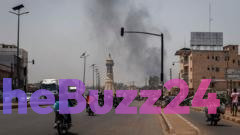
The security landscape in Mali has reached a precarious breaking point, prompting multiple foreign governments to issue urgent evacuation orders for their citizens. The capital city, Bamako, has been rocked by a series of coordinated attacks, including intense gunfire and explosions, signaling a significant shift in the reach of militant groups. The situation was further exacerbated by a deadly suicide bombing in the strategic town of Kati, which claimed the life of a senior defense official, highlighting the vulnerability of the nation’s security apparatus.
Beyond the capital, the central government is struggling to maintain control as separatist insurgents have successfully seized the northern city of Kidal. This territorial loss underscores the weakening grip of the military administration under General Assimi Goïta. Despite the government’s assertions that it maintains order, the country is currently caught in a multi-front conflict involving various jihadist factions and the Azawad Liberation Front. The recent pivot away from international peacekeeping forces toward private security contractors has failed to stabilize the region, leaving critical infrastructure and civilian safety in jeopardy.
Travel advisories for Mali have been elevated to the highest risk levels, with international authorities warning against all non-essential movement. While Bamako International Airport remains operational, land travel is considered extremely dangerous due to frequent militant ambushes on major transit routes. Foreign embassies are currently operating under strict security protocols, advising their nationals to shelter in place and prepare contingency plans for immediate departure. This deepening instability threatens to further isolate Mali from the international community as the humanitarian and security outlook remains grim.
Key Takeaways
- Mali is experiencing a severe escalation in violence, including coordinated attacks in the capital and the loss of the northern city of Kidal to insurgents.
- Foreign governments have issued urgent evacuation orders, citing the inability of the current military administration to secure the country.
- The transition from international peacekeeping forces to private security contractors has not successfully mitigated the threat from jihadist and separatist groups.
Editor’s Analysis & Impact
The rapid deterioration of security in Mali represents a significant failure of the current military administration’s strategy to replace international peacekeeping support with private security contractors. By losing control of key northern territories and failing to prevent high-profile attacks in the capital, the government is signaling a loss of sovereignty that will likely lead to further diplomatic and economic isolation. The reliance on private security firms has proven insufficient against the multifaceted threat posed by jihadist and separatist insurgencies. Looking ahead, the region faces a high risk of becoming a failed state, which could trigger a broader humanitarian crisis and destabilize neighboring Sahelian nations. Investors and international organizations are likely to withdraw entirely, further crippling the local economy and leaving the population increasingly vulnerable to extremist influence.
Frequently Asked Questions
Q: Why are foreign nationals being advised to leave Mali?
A: Foreign nationals are being urged to leave due to a critical escalation in militant violence, including suicide bombings and coordinated attacks in both the capital and northern regions, which the current government is struggling to contain.
Q: Is it safe to travel by land in Mali?
A: No, international travel advisories strictly discourage land travel due to the high prevalence of militant ambushes on major highways throughout the country.
AI Disclosure: This article is based on verified data and official reports. Our Team and AI have cross-referenced every financial detail with primary sources to ensure total accuracy.
More from this Category