Energy Markets Face Volatility as Persian Gulf Tensions Mount
Global crude oil prices have continued their sharp ascent, driven by heightening geopolitical instability in the Persian Gulf. Brent crude futures have surpassed the $115 per barrel threshold, while West Texas Intermediate (WTI) has climbed beyond $103. This sustained rally reflects growing apprehension regarding the security of global energy supply chains and the potential for long-term disruption in one of the world’s most critical maritime corridors.
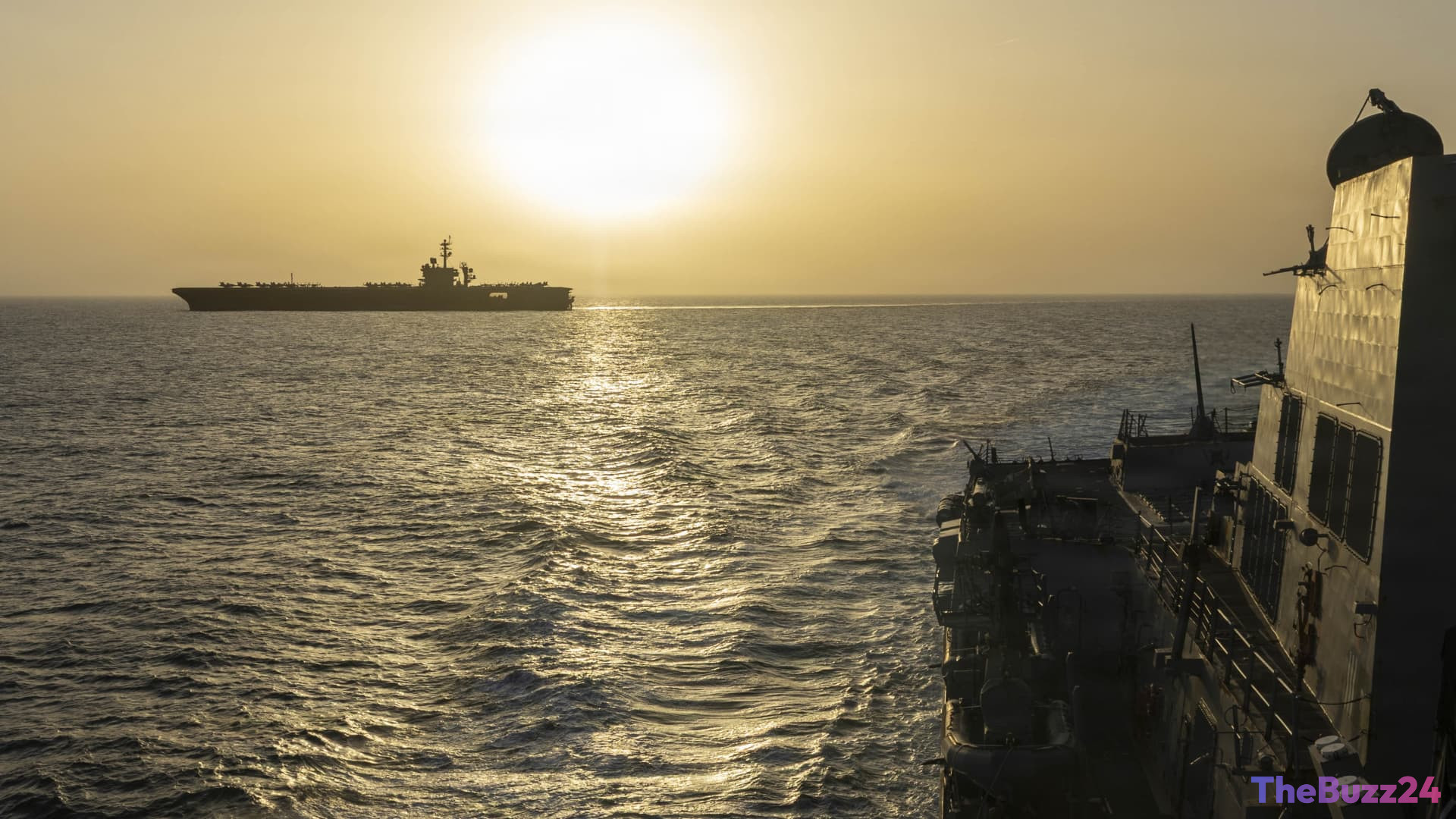
At the heart of the market anxiety is the Strait of Hormuz, a vital chokepoint for global oil shipments. Concerns have intensified following reports that the United States is preparing to implement stricter blockades on Iranian ports. This escalation, intended to exert economic pressure on Tehran, has dampened hopes for a near-term diplomatic resolution to the ongoing conflict. Since the hostilities began in late February, WTI futures have experienced a dramatic surge of over 49 percent, highlighting the market’s sensitivity to regional military posturing.
Compounding the uncertainty is a significant shift in energy geopolitics: the United Arab Emirates has announced its withdrawal from OPEC. While some experts believe the immediate physical impact on oil supply may be contained, the move signals a potential fracture in the collective influence of major oil-producing nations. This development has introduced a new layer of complexity to the global energy landscape, forcing traders to reconsider the long-term stability of traditional producer alliances.
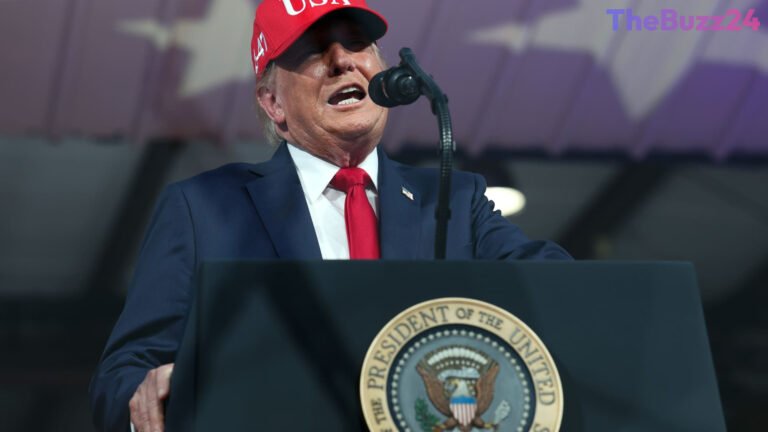
With diplomatic efforts to resolve the conflict currently at a standstill, the energy sector remains on high alert. Increased rhetoric from the U.S. administration regarding Iran has further unnerved investors, who are now bracing for sustained price swings. Market analysts suggest that until there is a tangible improvement in the security of the Persian Gulf and a clear path toward normalizing shipping routes, energy prices will likely remain subject to extreme volatility.
Key Takeaways
- Brent crude has crossed the $115 mark as geopolitical tensions in the Middle East threaten global supply chains.
- The potential for tightened blockades in the Strait of Hormuz has driven WTI futures up by more than 49% since February.
- The United Arab Emirates' withdrawal from OPEC introduces new uncertainty regarding the future influence of the oil-producing bloc.
Editor’s Analysis & Impact
The current surge in oil prices is a classic example of a ‘geopolitical risk premium’ being priced into the energy market. The combination of potential maritime blockades and the fracturing of OPEC unity creates a ‘perfect storm’ for volatility. From an industry perspective, the UAE’s departure from OPEC is particularly concerning; it suggests that national interests are increasingly overriding the cartel’s traditional goal of price stability. Looking ahead, the market is likely to remain in a state of high alert. If the Strait of Hormuz remains a focal point for military posturing, we should expect continued upward pressure on prices. Investors should prepare for a period where energy costs remain decoupled from traditional supply-demand fundamentals, driven instead by the unpredictable nature of regional conflict and shifting international alliances.
Frequently Asked Questions
Q: Why is the Strait of Hormuz so important to oil prices?
A: The Strait of Hormuz is a critical maritime chokepoint through which a significant percentage of the world's daily oil production passes. Any threat to shipping in this area creates immediate fears of supply shortages.
Q: What does the UAE's withdrawal from OPEC mean for the market?
A: The withdrawal signals a potential weakening of OPEC's ability to control global oil production levels and prices, which could lead to more unpredictable market dynamics and reduced coordination among major oil-producing nations.
AI Disclosure: This article is based on verified data and official reports. Our Team and AI have cross-referenced every financial detail with primary sources to ensure total accuracy.
More from this Category