Taco Bell Performance Propels Yum Brands to Strong Quarterly Earnings
Yum Brands has reported a robust start to the fiscal year, exceeding financial expectations for both revenue and earnings. The company announced a net income of $432 million, or $1.55 per share, marking a substantial increase from the $253 million, or 90 cents per share, reported in the same quarter last year. Total net sales rose by 15% to reach $2.06 billion, a surge largely attributed to the strategic acquisition of over 100 Taco Bell locations in the Southeast, which has significantly bolstered operational profitability and development speed.
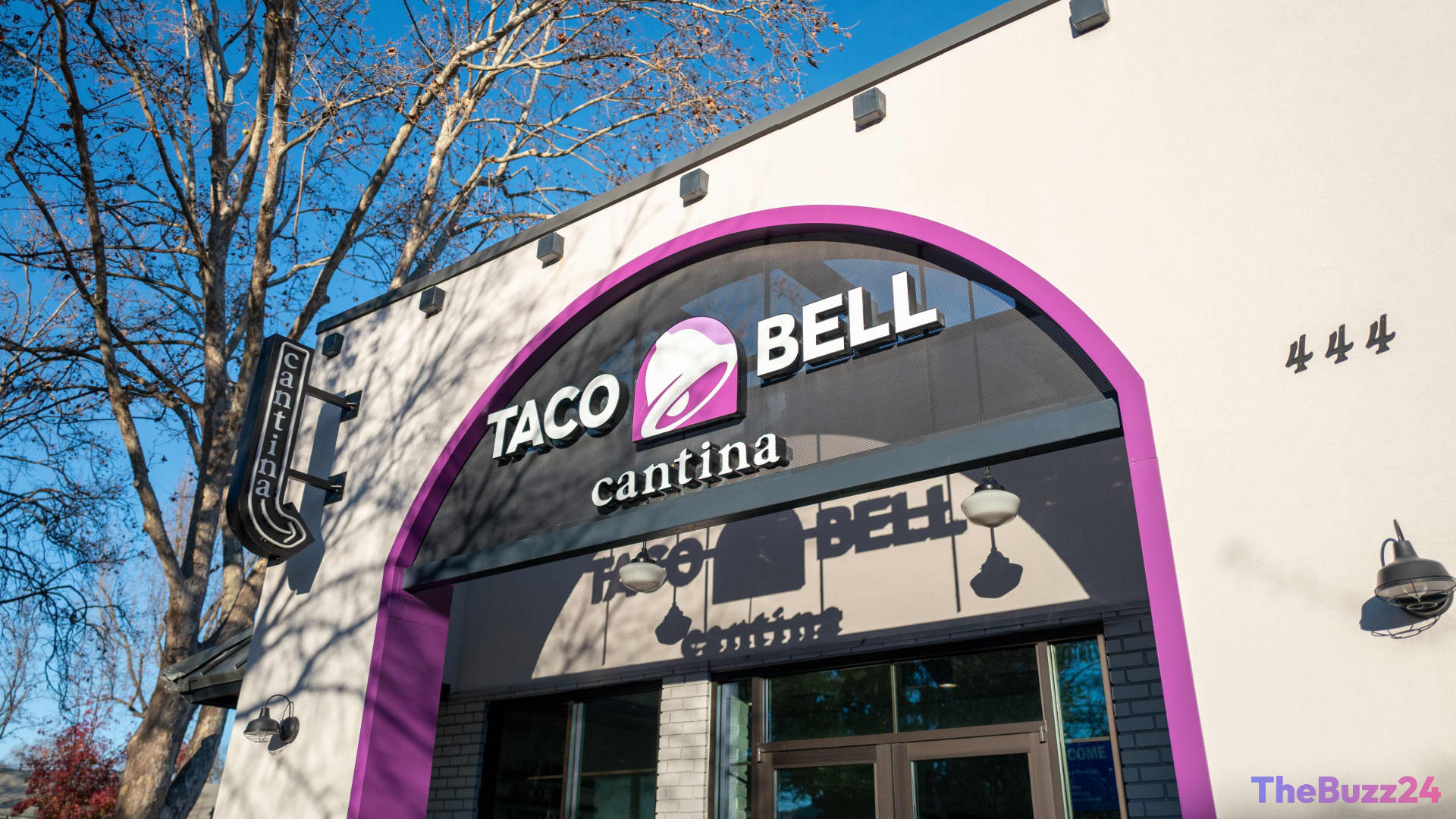
Taco Bell served as the standout performer for the conglomerate, recording an 8% increase in same-store sales that comfortably surpassed the 5.6% growth anticipated by market analysts. This success underscores the brand’s enduring strength in the competitive quick-service restaurant sector. While Yum Brands saw a 3% increase in global same-store sales overall, the performance of its other flagship chains remained varied as they navigate evolving consumer preferences and intense market competition.
In contrast to Taco Bell, KFC and Pizza Hut faced more challenging conditions, particularly within the United States. KFC saw global same-store sales grow by 2%, falling slightly short of projections, while its domestic division experienced a 2% decline in system sales. Pizza Hut reported flat global same-store sales, with a 4% contraction in the U.S. market, though international operations provided a modest offset with 2% growth.
Looking ahead, leadership is continuing a strategic review of the Pizza Hut brand to address its recent stagnation. While no specific restructuring plans were announced, the company is focused on implementing the successful innovation and value-driven strategies utilized by Taco Bell across its entire portfolio to drive future growth.
Key Takeaways
- Yum Brands exceeded quarterly earnings expectations with a net income of $432 million.
- Taco Bell was the primary growth driver, achieving an 8% increase in same-store sales.
- KFC and Pizza Hut faced domestic headwinds, leading to a strategic review of the pizza chain's operations.
Editor’s Analysis & Impact
The latest earnings report highlights a growing divergence in the quick-service restaurant sector, where brand-specific value propositions are becoming the primary determinant of success. Taco Bell’s ability to outperform expectations suggests that consumers are prioritizing affordability and innovation in the current economic climate. Conversely, the struggles faced by KFC and Pizza Hut in the U.S. market signal a need for operational pivots to address shifting dining habits. For Yum Brands, the challenge lies in scaling the ‘Taco Bell model’ of efficiency and menu innovation to its underperforming assets. If the company successfully revitalizes Pizza Hut, it could unlock significant shareholder value; however, failure to do so may lead to more aggressive restructuring or divestiture discussions in the coming quarters.
Frequently Asked Questions
Q: What was the primary driver of Yum Brands' revenue growth this quarter?
A: The primary driver was the strong performance of Taco Bell, which saw an 8% increase in same-store sales, alongside the strategic acquisition of over 100 new locations.
Q: How did KFC and Pizza Hut perform compared to Taco Bell?
A: KFC and Pizza Hut underperformed relative to Taco Bell, with both brands facing domestic sales declines and struggling to meet global growth projections.
AI Disclosure: This article is based on verified data and official reports. Our Team and AI have cross-referenced every financial detail with primary sources to ensure total accuracy.
More from this Category