Fed Holds Rates Steady Amid Geopolitical Tensions: What It Means for Your Wallet
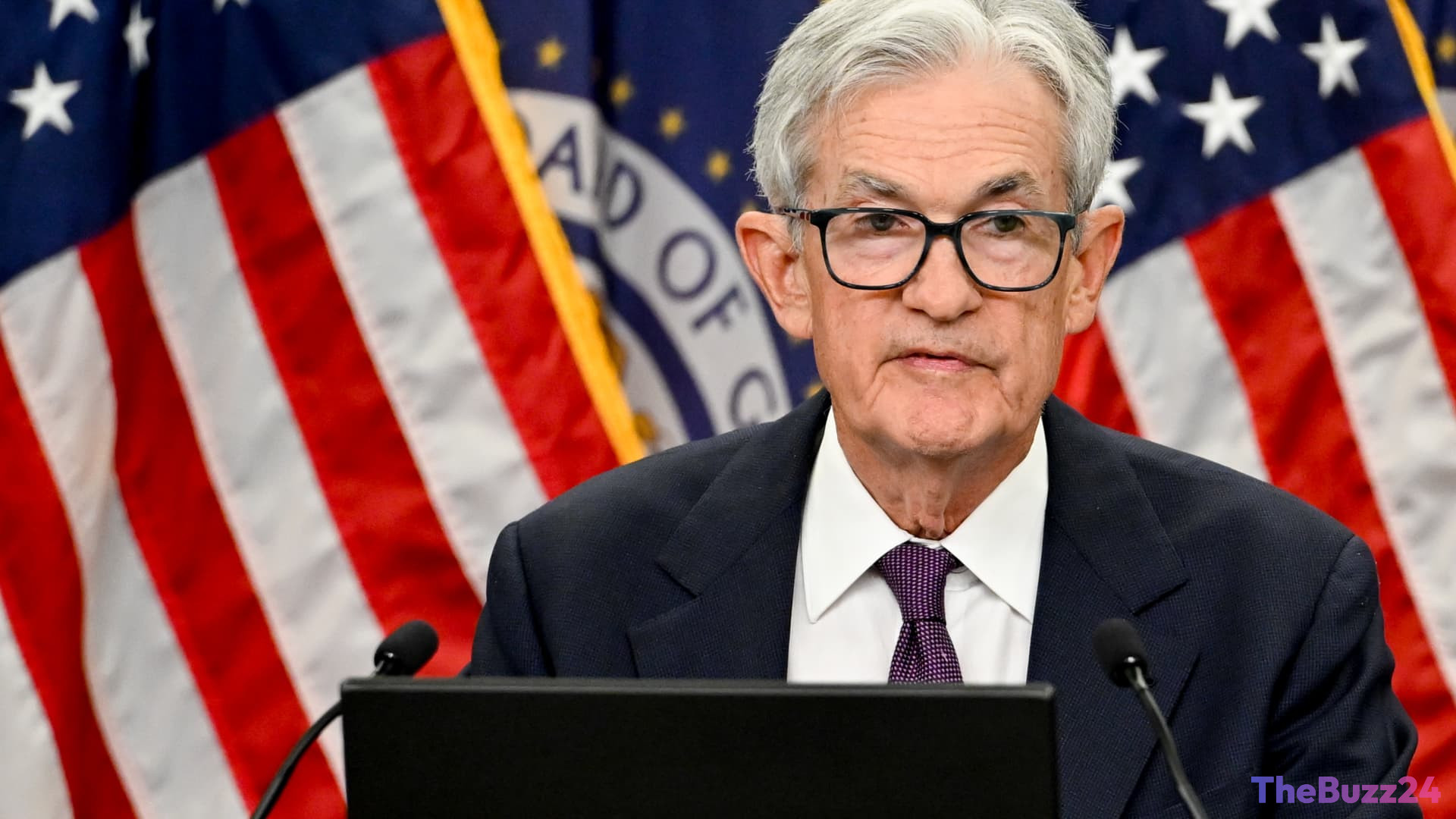
The Federal Reserve has decided to maintain its benchmark interest rate within the 3.5% to 3.75% target range following its April policy meeting. This decision comes during a critical transitional phase for the central bank, marking what is expected to be Jerome Powell’s final meeting as Fed Chair before Kevin Warsh, nominated by President Donald Trump, is anticipated to take leadership. The pause reflects a cautious approach by policymakers as they navigate a complex economic landscape marked by geopolitical instability and persistent inflationary pressures.
A primary driver behind the Fed’s cautious stance is the recent surge in energy costs sparked by the ongoing conflict with Iran. This geopolitical shock has disrupted previous progress toward the central bank’s 2% inflation target, raising concerns about long-term inflationary impacts. According to Sean Snaith, director of the University of Central Florida’s Institute for Economic Forecasting, the economy is currently in a state of ‘suspended animation’ as it balances the fallout from the Middle East conflict with the impending leadership transition at the Fed. For everyday consumers, this means borrowing costs will remain elevated for the foreseeable future.
The decision to hold rates steady has direct ramifications for consumer credit. Credit card annual percentage rates (APRs) are expected to hover just under 20%, making carrying a balance highly expensive. Meanwhile, mortgage rates, which track long-term Treasury yields rather than the Fed’s short-term benchmark, have already climbed. The average 30-year fixed mortgage rate recently reached 6.38%, up from 5.99% in late February, leaving many potential homebuyers and existing homeowners feeling locked out of the market.
The automotive and education sectors are also feeling the squeeze. Average monthly payments for new car loans have hit an all-time high of $773, with five-year loan rates hovering near 7%, forcing buyers to extend loan terms to manage monthly costs. Federal student loans remain fixed at 6.39% for undergraduate borrowers, though future rates will depend on upcoming Treasury auctions. On a brighter note, savers continue to benefit from the high-rate environment, with top-yielding online savings accounts and one-year certificates of deposit (CDs) still offering yields around 4%, comfortably outpacing current inflation.
Key Takeaways
- The Federal Reserve maintained its benchmark interest rate at 3.5% to 3.75% amid rising inflation driven by the conflict with Iran.
- Borrowing costs remain high, with average credit card APRs near 20% and 30-year fixed mortgage rates climbing to 6.38%.
- Savers continue to see favorable returns, with high-yield savings accounts and one-year CDs holding steady around 4%.
Editor’s Analysis & Impact
The Federal Reserve’s decision to hold interest rates steady highlights the delicate balancing act central bankers face amid geopolitical volatility. The conflict with Iran has introduced a fresh energy shock, complicating the inflation outlook and effectively ruling out near-term rate cuts. This high-for-longer rate environment will continue to strain consumer liquidity, particularly in the housing and automotive sectors where financing costs are reaching historic highs. Looking ahead, the transition of leadership from Jerome Powell to Kevin Warsh could signal a shift in monetary policy philosophy. However, any incoming Fed chair will remain constrained by macroeconomic realities. Investors and consumers should prepare for sustained high borrowing costs through the remainder of the year, while savers should take advantage of robust yields before eventual policy easing begins.
Frequently Asked Questions
Q: Why did the Federal Reserve decide to keep interest rates unchanged?
A: The Fed held rates steady due to persistent inflation pressures, which have been exacerbated by rising energy costs stemming from the conflict with Iran, alongside an upcoming leadership transition at the central bank.
Q: How does this decision affect mortgage and auto loan rates?
A: While mortgage rates do not directly track the Fed's benchmark, economic uncertainty has pushed 30-year fixed mortgages up to 6.38%. Auto loans also remain elevated, with average new car payments reaching a record high of $773 due to interest rates near 7%.
Q: Is there any positive news for consumers in this rate environment?
A: Yes, savers benefit from this environment. High-yield savings accounts and one-year certificates of deposit (CDs) continue to offer yields of around 4%, which remain higher than the current rate of inflation.
AI Disclosure: This article is based on verified data and official reports. Our Team and AI have cross-referenced every financial detail with primary sources to ensure total accuracy.
More from this Category