Supreme Court Curbs Voting Rights Act Provision, Igniting Congressional Showdown
The Supreme Court has delivered a significant blow to a key provision of the Voting Rights Act, a landmark 1965 civil rights law, by limiting the consideration of race in the drawing of congressional maps. The 6-3 decision specifically struck down a majority-Black district in Louisiana, a move that could pave the way for the elimination of similar districts represented by Democrats across the country and potentially reshape the electoral landscape ahead of November’s midterm elections.
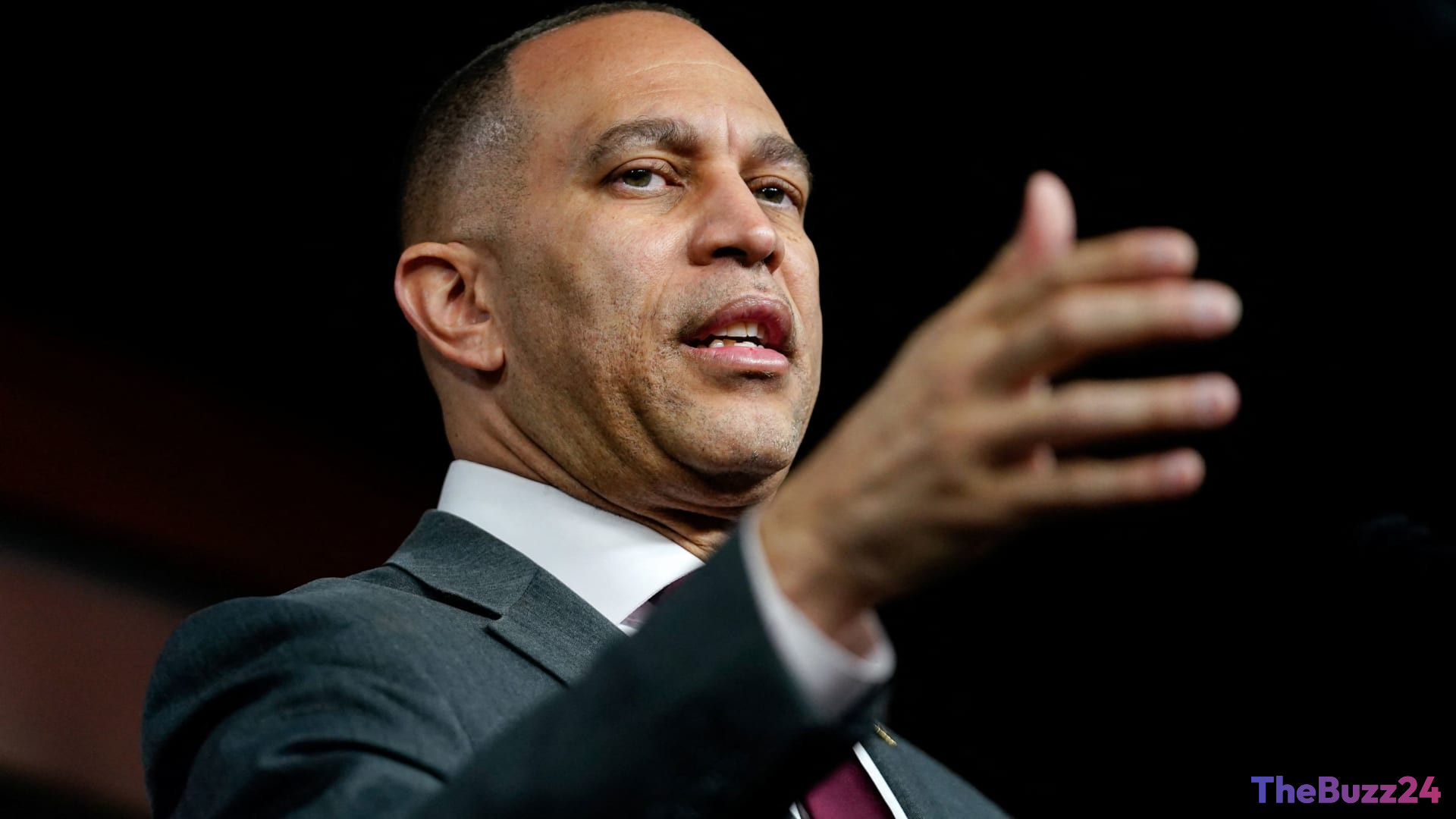
Congressional Democrats swiftly condemned the ruling, vowing to leverage their limited power in the House and Senate to fight back. House Minority Leader Hakeem Jeffries, D-N.Y., asserted that the decision undermines the ability of communities of color to elect their chosen candidates. Democrats are advocating for the immediate passage of the John R. Lewis Voting Rights Advancement Act, a proposed bill designed to modernize and strengthen legal protections against discriminatory voting practices. Calls for Supreme Court reform, including term limits for justices, have also emerged from within the Democratic ranks, though the party’s minority status makes legislative action challenging.
Conversely, Republicans celebrated the Court’s decision, hailing it as a victory for constitutional principles and the notion that all citizens are equal under the law. National Republican Congressional Committee Chair Rep. Richard Hudson, R-NC., stated that the ruling restores fairness and strengthens confidence in elections by preventing what he described as activist manipulation of the redistricting process. The decision is widely expected to trigger a flurry of redistricting efforts nationwide, with potential implications for the balance of power in the House of Representatives.
In response to what they perceive as broader attempts to undermine American elections, Senate Democrats have launched a task force. This initiative, which includes former Attorney General Eric Holder and Democratic election lawyer Marc Elias, aims to examine threats to electoral integrity and develop mitigation strategies. Senate Minority Leader Chuck Schumer, D-N.Y., emphasized that the right to vote is fundamental to democracy and is currently under attack, referencing past actions by figures like former President Donald Trump to restrict voting access and implement voter identification requirements.
Key Takeaways
- The Supreme Court weakened a key provision of the Voting Rights Act, limiting the consideration of race in drawing congressional maps and striking down a majority-Black district in Louisiana.
- Congressional Democrats have vowed to fight back, calling for the passage of the John R. Lewis Voting Rights Advancement Act and Supreme Court reform, despite their minority status in Congress.
- Republicans celebrated the ruling as a victory for the Constitution and fairness, anticipating significant redistricting efforts that could impact the balance of power in the House ahead of midterm elections.
Editor’s Analysis & Impact
This Supreme Court decision marks a pivotal moment in the ongoing battle over voting rights and electoral representation in the United States. By curtailing the scope of the Voting Rights Act, the ruling is likely to intensify political polarization and legal challenges surrounding redistricting. The immediate impact could be a reduction in the number of majority-minority districts, potentially diminishing the political influence of communities of color and shifting electoral outcomes. Looking ahead, this decision will undoubtedly fuel partisan conflict, with Democrats pushing for legislative remedies and court reforms, while Republicans will likely leverage the ruling to reshape electoral maps. The broader implication is a potential long-term alteration of the electoral landscape, making state-level election laws and redistricting battles even more critical in determining future political power.
Frequently Asked Questions
Q: What specific provision of the Voting Rights Act was affected by the Supreme Court's decision?
A: The Supreme Court's 6-3 decision weakened a key provision of the Voting Rights Act that limits the consideration of race in drawing congressional maps, specifically striking down a majority-Black district in Louisiana.
Q: How might this ruling impact upcoming elections?
A: The ruling is expected to trigger a scramble for redistricting efforts across the country ahead of the November midterm elections. It could lead to the elimination of other majority-Black districts, potentially altering the balance of power in the House of Representatives and impacting minority representation.
Q: What actions are Democrats proposing in response to the ruling?
A: Democrats are calling for the immediate passage of the John R. Lewis Voting Rights Advancement Act to modernize and strengthen legal protections against discriminatory voting practices. They are also advocating for Supreme Court reform, including term limits for justices, and have launched a task force to combat perceived threats to American elections.
AI Disclosure: This article is based on verified data and official reports. Our Team and AI have cross-referenced every financial detail with primary sources to ensure total accuracy.
More from this Category