Major Mediterranean Smuggling Syndicate Dismantled in Massive Cross-Border Operation
Spanish authorities have successfully dismantled one of the most significant criminal networks operating across the western Mediterranean. The operation, which spanned multiple locations in Spain and Algeria, resulted in the arrest of 78 individuals linked to a sophisticated enterprise involved in drug trafficking, human smuggling, and violent crime. The syndicate reportedly utilized a fleet of high-speed ‘ghost boats’ to facilitate the illegal movement of synthetic drugs, firearms, and migrants between the two continents.
The criminal organization operated a dual-flow business model designed to maximize illicit profits. Outbound shipments from Spain and Portugal to Algeria primarily consisted of synthetic drugs like MDMA, as well as weapons and explosives. On the return journey, the network smuggled migrants into the Spanish mainland and Ibiza, charging as much as €12,000 per person. Investigators estimate that the group generated over €24 million from human smuggling alone, often subjecting migrants to inhumane conditions, physical abuse, and life-threatening maritime crossings without proper safety equipment.
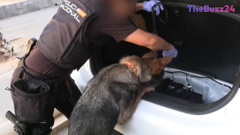
During the coordinated raids across 17 Spanish locations—including Alicante, Almería, Cartagena, and Murcia—police seized 18 high-speed vessels valued at approximately €5 million, along with firearms, cash, and significant quantities of narcotics. The network also utilized advanced technology, including encrypted communication tools, satellite phones, and GPS devices, to coordinate their maritime logistics. Beyond smuggling, the group was implicated in extortion, money laundering, and violent robberies, serving as a logistics provider for other organized crime syndicates across Europe.
Key Takeaways
- Spanish police arrested 78 individuals in a major operation targeting a Mediterranean smuggling network.
- The syndicate used high-speed 'ghost boats' to traffic synthetic drugs, weapons, and migrants, generating over €24 million from human smuggling alone.
- Raids across 17 locations led to the seizure of 18 vessels, firearms, and sophisticated communication equipment used for illicit operations.
Editor’s Analysis & Impact
The dismantling of this network represents a significant blow to organized crime in the Mediterranean, highlighting the increasing sophistication of ‘dual-flow’ trafficking models. By integrating human smuggling with the movement of high-value illicit goods like synthetic drugs and firearms, these groups have created highly resilient, profit-driven logistics chains. The use of ‘ghost boats’—vessels specifically designed to evade maritime detection—indicates a growing trend in maritime crime that challenges traditional border security. Moving forward, law enforcement agencies will likely need to increase focus on the intersection of maritime technology and organized crime. The broader implication is a shift toward more violent, multi-commodity criminal enterprises that exploit geopolitical vulnerabilities, necessitating greater intelligence sharing between European and North African nations to disrupt these complex, cross-border supply chains.
Frequently Asked Questions
Q: What kind of illegal activities was the network involved in?
A: The network was involved in a wide range of criminal activities, including the smuggling of synthetic drugs, firearms, explosives, and migrants, as well as money laundering, extortion, and violent robberies.
Q: How did the group transport their illicit cargo and migrants?
A: The group utilized a fleet of high-speed 'ghost boats' designed to avoid registration and detection, allowing them to conduct rapid transfers in international waters near the Spanish coastline.
AI Disclosure: This article is based on verified data and official reports. Our Team and AI have cross-referenced every financial detail with primary sources to ensure total accuracy.
More from this Category