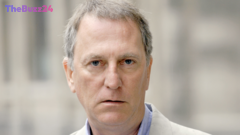
Veteran Africa Correspondent Mark Doyle, Chronicler of Conflict, Dies at 67
Renowned British journalist Mark Doyle, celebrated for his extensive and impactful reporting on African conflicts, has passed away at the age of 67 following a brief illness. Doyle was a familiar voice and a crucial source of information for audiences worldwide, particularly for his work covering some of the continent’s most tumultuous periods.
His distinguished career at the BBC began in 1986, following his time living in Africa. Doyle was appointed East Africa correspondent in 1993, a role through which he provided critical coverage of the Rwandan genocide in 1994. Later, as West Africa correspondent from 1997 to 2002, he documented the brutal civil war in Sierra Leone and the aftermath of the conflict in Liberia, bringing the realities of these crises to international attention.
Doyle’s dedication to truth and his courageous reporting were widely recognized by colleagues and those he covered. BBC foreign editor Paul Danahar described him as a “legendary figure” and a “brilliant, brave, empathetic reporter.” Former colleagues like Fergal Keane recalled Doyle’s unwavering commitment, noting he “stayed longer than any of us” in Rwanda during the genocide, highlighting his profound contribution to understanding the events. His work was also credited with influencing policy; Sir David Richards, who led British forces in Sierra Leone, stated that Doyle’s reporting was instrumental in convincing the UK government of the necessity for intervention, ultimately saving countless lives.
His exceptional contributions were further acknowledged in 2004 when he received first prize in the UN Correspondents Association/UN Foundation Awards for his coverage of post-war Liberia. Doyle continued his impactful journalism as BBC World Affairs correspondent before retiring from the broadcaster in 2015, leaving behind a legacy of fearless and insightful reporting from a continent he deeply understood.
Key Takeaways
- Veteran BBC Africa correspondent Mark Doyle has died at the age of 67.
- Doyle was known for his extensive reporting on conflicts in Africa, including the Rwandan genocide and civil wars in Sierra Leone and Liberia.
- His reporting was recognized for its bravery, empathy, and impact on international policy and public understanding of African crises.
Editor’s Analysis & Impact
The passing of Mark Doyle marks the end of an era for conflict reporting in Africa. His decades of dedicated journalism provided invaluable insights into complex and often overlooked crises, shaping both public perception and international policy. Doyle’s ability to combine bravery with empathy allowed him to capture the human dimension of conflict, a skill that is increasingly rare and vital in today’s media landscape. His legacy underscores the importance of on-the-ground reporting in fostering understanding and driving positive change, particularly in regions facing significant challenges. The void left by his absence highlights the need for continued support and recognition of journalists committed to covering critical global issues.
Frequently Asked Questions
Q: What was Mark Doyle most famous for?
A: Mark Doyle was most famous for his extensive and impactful reporting on conflicts across the African continent, particularly during the 1990s and 2000s. His coverage of the Rwandan genocide and the civil wars in Sierra Leone and Liberia earned him widespread recognition.
Q: What awards did Mark Doyle receive?
A: Mark Doyle received significant accolades for his work, including first prize in the UN Correspondents Association/UN Foundation Awards in 2004 for his coverage of post-war Liberia.
Q: How did Mark Doyle's reporting influence events?
A: Doyle's reporting had a tangible impact on international affairs. For instance, his coverage of the civil war in Sierra Leone helped convince the UK government of the need for military intervention, which is credited with saving thousands of lives.
AI Disclosure: This article is based on verified data and official reports. Our Team and AI have cross-referenced every financial detail with primary sources to ensure total accuracy.
More from this Category