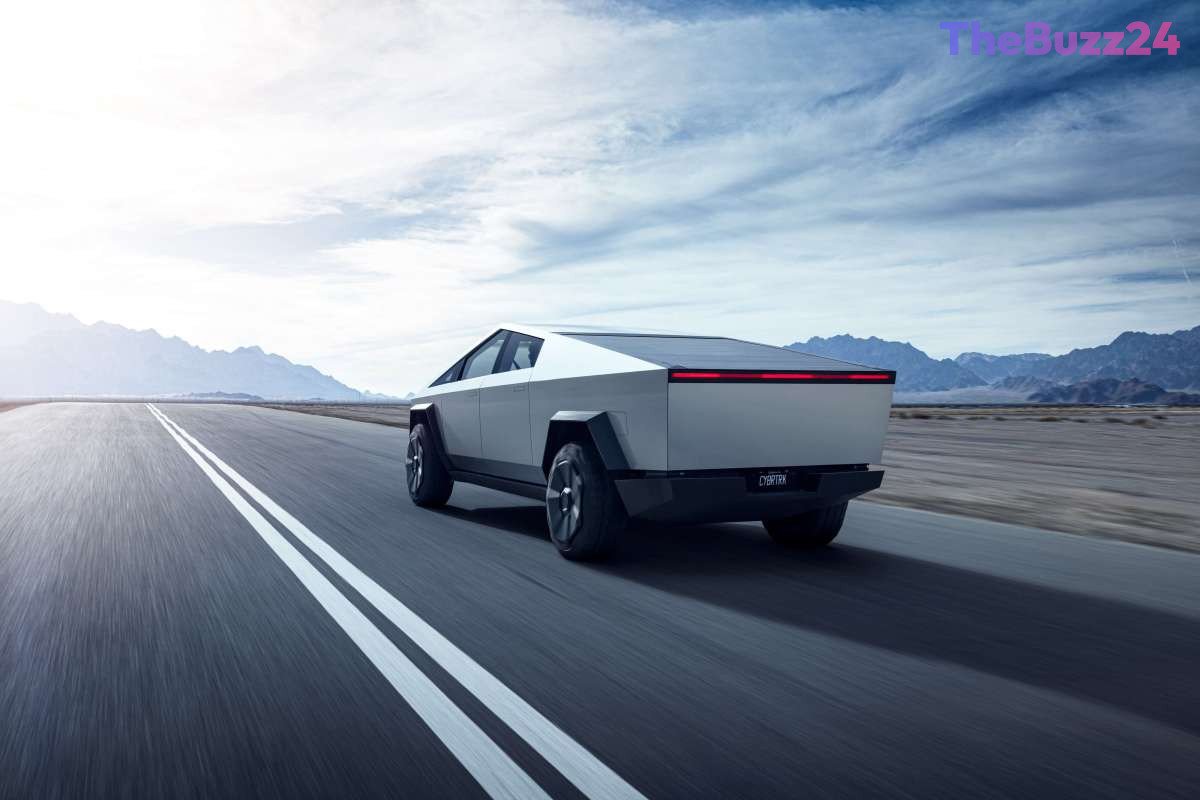
End of the Road: Tesla to Discontinue Cybertruck to Focus on Autonomous Robotaxis
Tesla has announced plans to halt production of its polarizing Cybertruck next year, marking a swift end to one of the automaker’s most heavily publicized vehicle launches. Company leadership revealed that the manufacturing footprint currently dedicated to the stainless-steel electric pickup will be repurposed to accelerate production of the two-seater Cybercab robotaxi. This strategic pivot highlights Tesla’s aggressive transition toward an artificial intelligence and autonomous transport business model.
First unveiled in 2019 with ambitious promises of a sub-$40,000 starting price and up to 500 miles of driving range, the Cybertruck faced numerous production delays and engineering hurdles before finally hitting the market in late 2023. By the time deliveries commenced, the base pricing had risen significantly while the maximum range fell short of initial projections. Over its brief commercial lifespan, the vehicle struggled to meet the lofty sales targets initially forecasted by executives, moving only tens of thousands of units globally.
The decision to sunset the futuristic truck follows a broader pattern of consolidation within Tesla’s manufacturing ecosystem. Earlier this year, the company similarly phased out legacy passenger vehicles like the Model S sedan and Model X SUV to reallocate factory capacity for Optimus humanoid robots. As regulatory approvals and testing for autonomous fleets progress—particularly in Texas and upcoming expansions into cities like Dallas—Tesla is firmly reallocating its capital and industrial might toward software-driven mobility and robotics.
Key Takeaways
- Tesla will officially cease production of the Cybertruck next year to redirect manufacturing resources toward the Cybercab robotaxi.
- The vehicle struggled with underwhelming sales and higher-than-expected price points following its late 2023 market launch.
- This move aligns with Tesla's broader strategic pivot toward artificial intelligence, robotics, and autonomous transport systems.
Editor’s Analysis & Impact
Tesla’s decision to discontinue the Cybertruck marks a pivotal turning point in the company’s corporate identity, signaling a definitive shift away from traditional automotive hardware toward high-margin software, AI, and autonomous fleets. While the Cybertruck served as a massive marketing spectacle and a masterclass in generating public curiosity, its complex manufacturing requirements and underwhelming commercial uptake ultimately made it an inefficient use of prime factory space. By converting these production lines for Cybercabs and humanoid robots, Tesla is betting its future on autonomous ride-hailing networks and labor-replacing automation. This move will likely strengthen investor confidence in the company’s AI narrative, though it simultaneously closes the chapter on one of the most eccentric automotive experiments of the modern era.
Frequently Asked Questions
Q: When will Tesla stop making the Cybertruck?
A: Tesla plans to stop manufacturing the Cybertruck next year, repurposing the factory space for Cybercab robotaxis.
Q: What caused the Cybertruck to underperform?
A: The vehicle suffered from significant production delays, higher price points than initially promised in 2019, reduced driving range compared to early estimates, and polarizing market reception.
Q: What other vehicles has Tesla recently discontinued?
A: Earlier this year, Tesla ended production of the Model S sedan and Model X SUV to dedicate factory space to Optimus humanoid robots.
AI Disclosure: This article is based on verified data and official reports. Our Team and AI have cross-referenced every financial detail with primary sources to ensure total accuracy.
More from this Category