Sri Lanka High Court Convicts 15 in Landmark 2019 Easter Sunday Bombing Trial
The Sri Lankan High Court has delivered a significant verdict, convicting 15 men for their roles in the devastating 2019 Easter Sunday suicide bombings. The coordinated attacks, which targeted three churches and three luxury hotels, resulted in the deaths of 270 people and left over 500 injured, marking the nation’s most violent incident since the conclusion of its civil war in 2009.
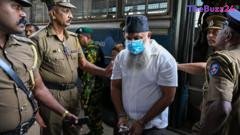
Among those found guilty is Naufer Moulavi, identified by prosecutors as the primary mastermind behind the plot. The trial, which involved over 23,000 individual charges, saw the defendants brought to the Colombo court under heavy security. While 15 individuals were convicted, the court acquitted nine others, and one defendant reportedly died while in custody. The bombers who directly executed the attacks perished during the explosions.
The tragedy claimed the lives of numerous civilians, including 45 foreign nationals from countries such as India, the United Kingdom, and the United States. The scale of the loss, which included many children and entire families, sparked years of public outcry and demands for accountability. Investigations following the event revealed significant intelligence failures, including the mishandling of warnings provided by foreign counterparts.
Legal proceedings continue to unfold regarding the broader security failures that allowed the attacks to occur. Previous rulings have held former government officials accountable for negligence, and ongoing investigations are currently probing allegations of political involvement in the orchestration of the violence. As the nation processes these convictions, the search for full transparency and justice remains a central focus for the victims’ families and the Sri Lankan public.
Key Takeaways
- Fifteen men have been convicted for their roles in the 2019 Easter Sunday bombings that killed 270 people.
- The court identified Naufer Moulavi as the mastermind behind the coordinated suicide attacks on churches and hotels.
- The verdict follows years of public pressure and legal scrutiny regarding intelligence failures and potential political complicity in the tragedy.
Editor’s Analysis & Impact
The conviction of these 15 individuals marks a pivotal moment in Sri Lanka’s post-civil war history, addressing a deep national wound that has fueled political instability for years. Beyond the immediate judicial outcome, the case highlights the systemic vulnerabilities within the nation’s intelligence and security apparatus. The ongoing investigations into high-level officials suggest that the legal fallout is far from over, potentially reshaping the political landscape. For the international community, this trial serves as a reminder of the persistent threat of extremist violence and the critical importance of cross-border intelligence sharing. Moving forward, the government faces the dual challenge of maintaining public trust through transparent judicial processes while navigating the complex allegations of political manipulation that continue to haunt the legacy of the 2019 attacks.
Frequently Asked Questions
Q: How many people were killed in the 2019 Easter Sunday bombings?
A: The attacks resulted in the deaths of 270 people, including 45 foreign nationals.
Q: What was the primary cause of the security failure according to authorities?
A: Authorities identified a major intelligence lapse, noting that specific warnings provided by India regarding the impending attacks were not properly shared with the relevant security agencies.
AI Disclosure: This article is based on verified data and official reports. Our Team and AI have cross-referenced every financial detail with primary sources to ensure total accuracy.
More from this Category